

L-18-1973, 1973
Form
Medium
Size
- Inches
- Centimeters
Edition
Price
- Authenticity Guaranteed
- Insured Shipping
- Online Since 2005
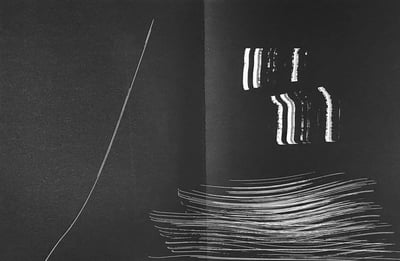
Hans Hartung
Lithograph X from Farandole, 1971
Limited Edition Print
Lithograph
USD 1,280
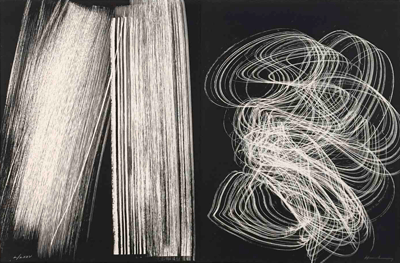
Hans Hartung
Farandole V, L-1970-5, 1970
Limited Edition Print
Lithograph
EUR 1,700
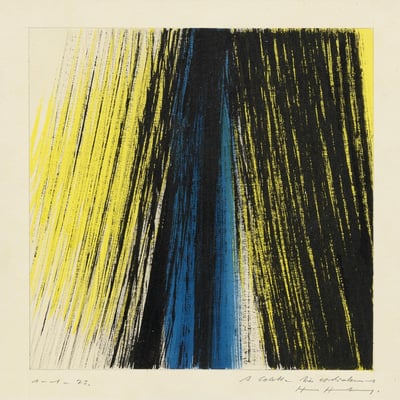
Hans Hartung
KP1972-3, 1972
Painting
Acrylic on paper
Inquire For Price
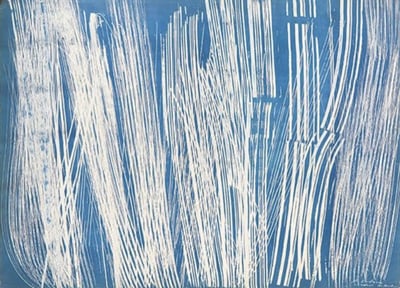
Hans Hartung
G 1970-21, 1970
Limited Edition Print
Etching
EUR 6,500
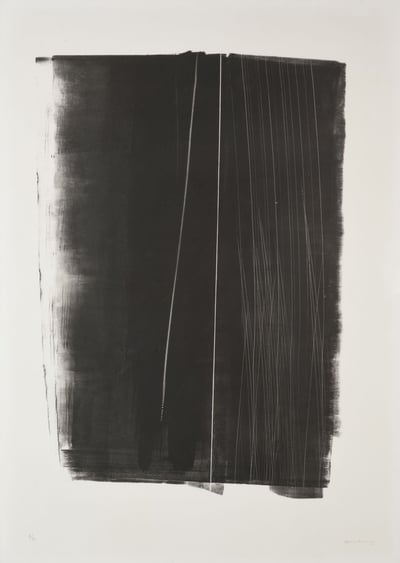
Hans Hartung
L 1973-46, 1973
Limited Edition Print
Lithograph
EUR 2,050

Hans Hartung
G 1973-2, 1973
Limited Edition Print
Etching
EUR 2,250
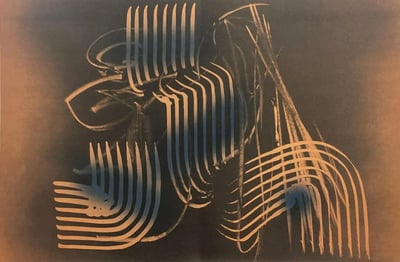
Hans Hartung
Lithograph V from Farandole, 1971
Limited Edition Print
Lithograph
USD 1,280

Hans Hartung
Lithograph XII from Farandole, 1971
Limited Edition Print
Lithograph
USD 1,280
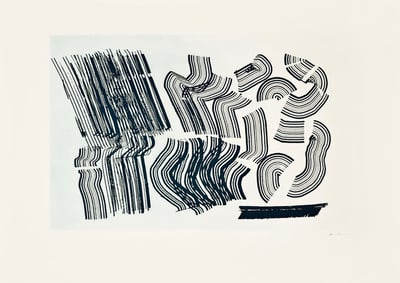
Hans Hartung
Las Estampas de la Cometa 5, 1971
Limited Edition Print
Etching
EUR 1,550
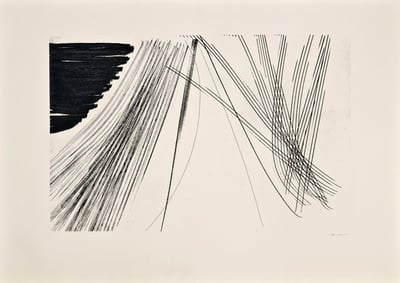
Hans Hartung
Las Estampas de la Cometa 4, 1971
Limited Edition Print
Etching
EUR 1,550
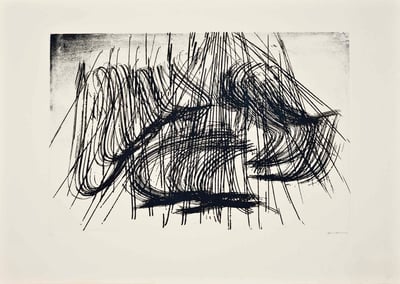
Hans Hartung
Las Estampas de la Cometa 1, 1971
Limited Edition Print
Etching
EUR 1,550
Available works by Hans Hartung
See all →Hans Hartung
Lithograph X from Farandole, 1971
Limited Edition Print
Lithograph
USD 1,280
Hans Hartung
Farandole V, L-1970-5, 1970
Limited Edition Print
Lithograph
EUR 1,700
Hans Hartung
KP1972-3, 1972
Painting
Acrylic on paper
Inquire For Price
Hans Hartung
G 1970-21, 1970
Limited Edition Print
Etching
EUR 6,500
Hans Hartung
L 1973-46, 1973
Limited Edition Print
Lithograph
EUR 2,050
Hans Hartung
G 1973-2, 1973
Limited Edition Print
Etching
EUR 2,250
Related Artists
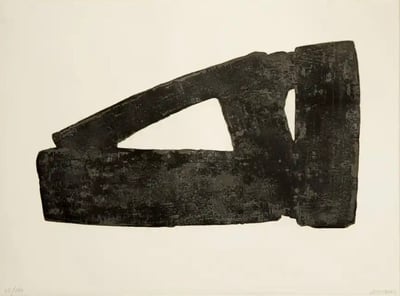


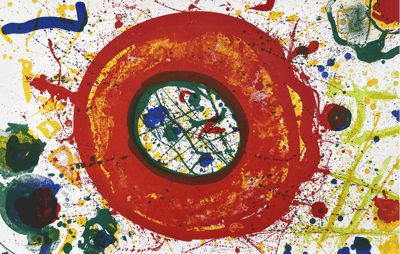

What is lyrical abstraction ?
Lyrical abstraction is a descriptive term characterizing a type of abstract painting closely related to Abstract Expressionism, in use from the 1940s to the present. The term can also describe two distinct but related trends in post-World War II modernist painting. This art movement originated in Paris, France, after the war, emphasizing personal expression, spontaneity, and the emotional use of color and form.


