

Dieter Roth
© Dieter Roth. All rights reserved.
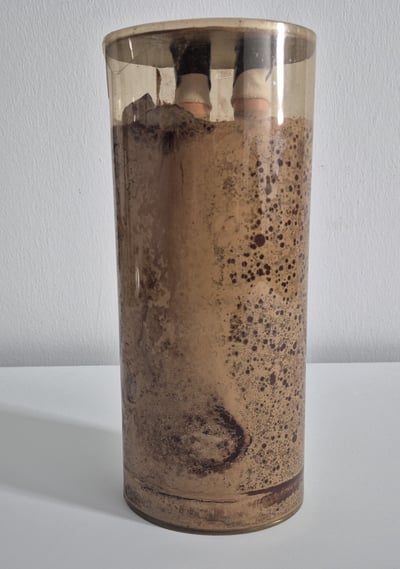
Dieter Roth
Untitled (Puppe in Schokolade), 1969
Sculpture / Object
Mixed Media
EUR 3,600
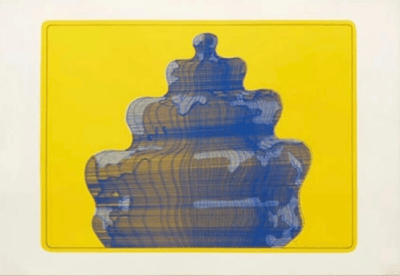
Dieter Roth
Torte in der Sonne (Fancy-Cake in the Sun), 1970
Limited Edition Print
Screen-print
GBP 4,200
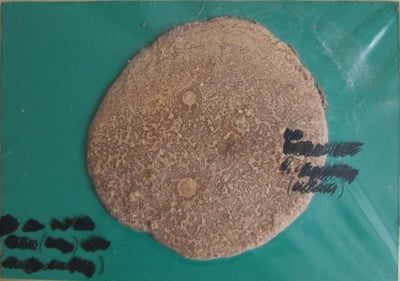
Dieter Roth
Self-portrait, 1969
Limited Edition Print
Mixed Media
EUR 3,000

Dieter Roth
Selbstbildnis als Loch, 1972
Limited Edition Print
Screen-print
EUR 3,100

Dieter Roth
Middle sunset
Limited Edition Print
Mixed Media
EUR 5,400

Dieter Roth
Stamp images, 1968
Limited Edition Print
Mixed Media
EUR 1,350
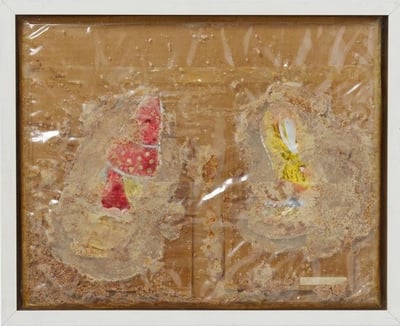
Dieter Roth
Lauf der Welt, 1970
Limited Edition Print
Mixed Media
EUR 3,000

Dieter Roth
Steep Potplant, 1975
Limited Edition Print
Drypoint
USD 2,200
- Dieter Roth
Related Artists

Related Articles
News, Popular, Collecting, Artists - August 12, 2026
In Minor Keys: Finding Intimacy and Identity at the 61st Venice Biennale — and in Your Collection
Explore how Koyo Kouoh’s 61st Venice Biennale vision, In Minor Keys, is shifting contemporary collecting toward quiet introspection, memory, and personal identi…Read More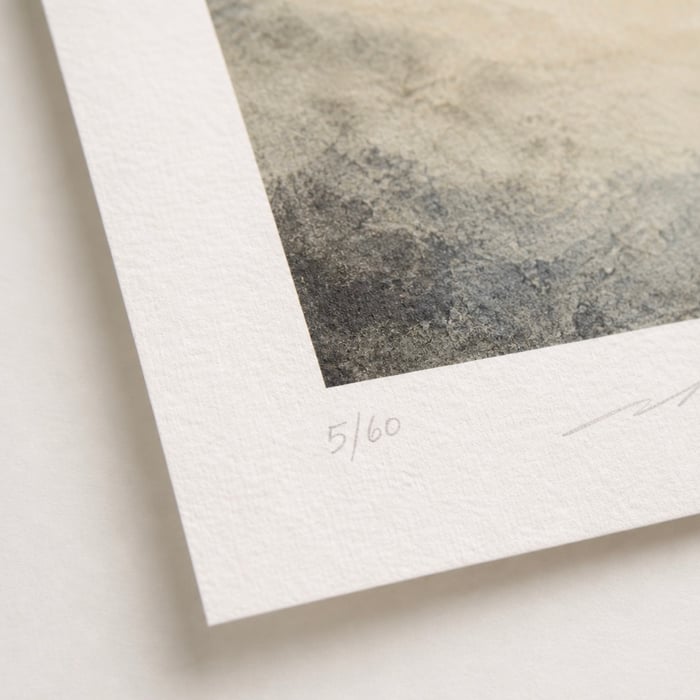
 © Composition.gallery
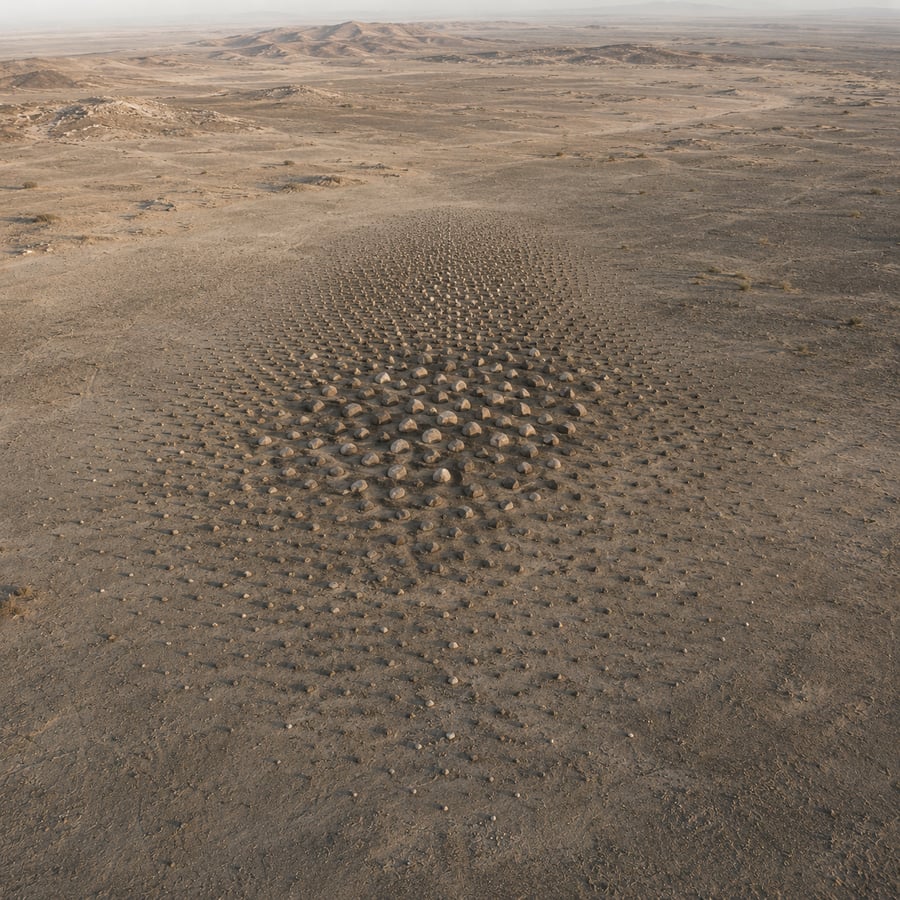
What is Earth Art?
Earth art, also known as Land Art, emerged in the 1960s and 70s as part of the conceptual art movement. It involves creating artworks by sculpting the land or constructing structures in the landscape using natural materials like earth, rocks, or twigs. These works are often large-scale and emphasize the relationship between art and nature.
Explore »

