

Germany
Germany is a global powerhouse in contemporary art, home to iconic institutions such as the Hamburger Bahnhof Museum in Berlin and the Museum of Modern Art in Frankfurt. Renowned artists like Gerhard Richter, acclaimed for his abstract paintings, and Katharina Grosse, known for her immersive installations, exemplify Germany's innovative spirit. Explore Germany's vibrant contemporary art scene on Composition Gallery's website.
- Show All
- Established
- Discoveries
- Show All
Artworks Related to Germany
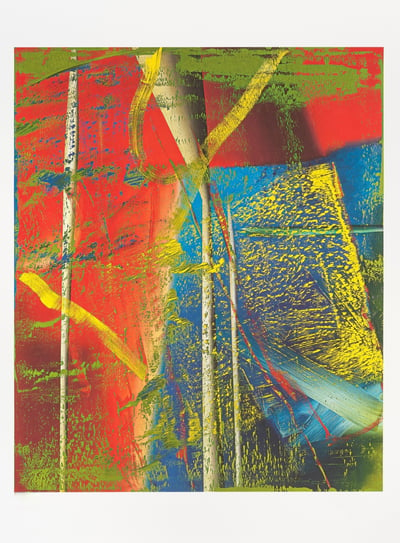
Gerhard Richter
Juno, 1983 (Werk 528), 1982/2025
Limited Edition Print
Mixed Media
EUR 1,880
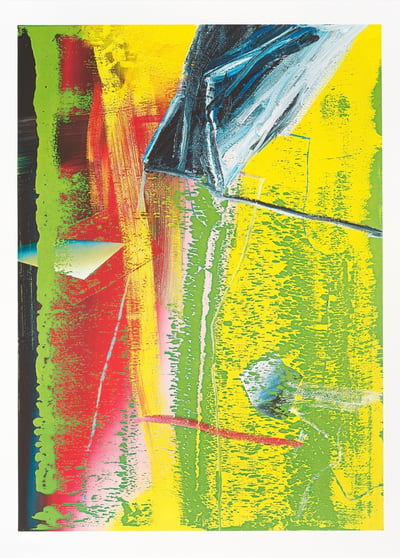
Gerhard Richter
Abstraktes Bild, 1982 (Werk 503), 1982/2025
Limited Edition Print
Mixed Media
EUR 1,880
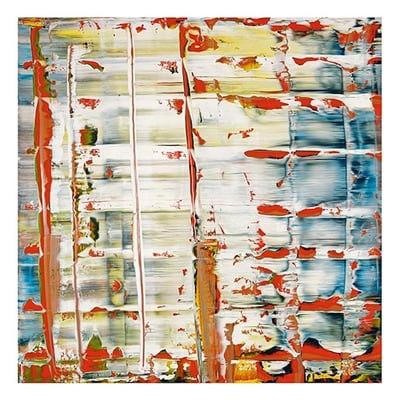
Gerhard Richter
Abstraktes Bild, 1992/2023
Limited Edition Print
Mixed Media
EUR 1,880

Regine Schumann
Colormirror glow after rose gent, 2025
Sculpture / Object
Acrylic sculpture
EUR 3,600
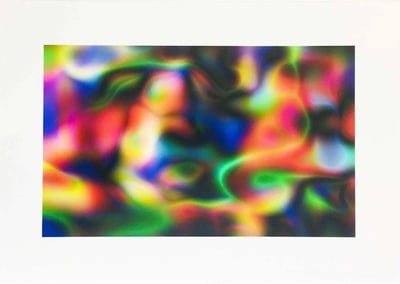
Thomas Ruff
Substrat 21 III, 2003-2019
Photography
C-Print
EUR 1,750

Josef Albers
Variants-III (from the Ten Variants Series), 1966
Limited Edition Print
Screen-print
Inquire For Price

Josef Albers
Late, from Soft Edge-Hard Edge, 1965
Limited Edition Print
Screen-print
USD 10,000 - 15,000
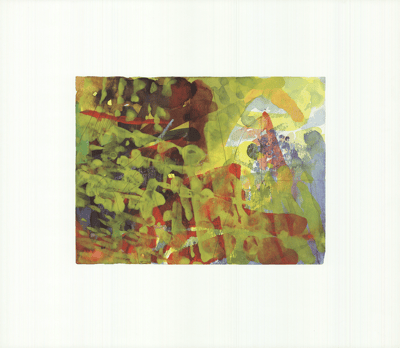
Gerhard Richter
IBM (G.EL.2, 18.1.1984), 1987
Limited Edition Print
Offset Print
USD 7,000 - 10,000
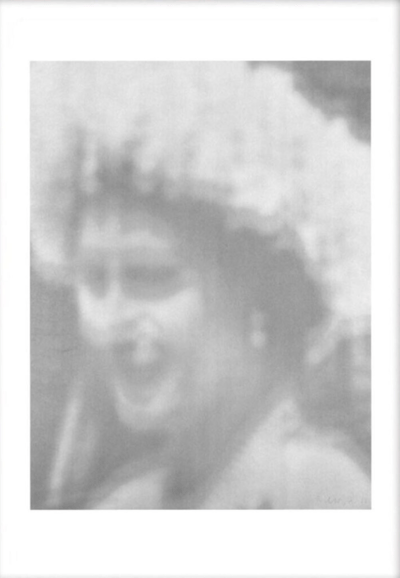
Gerhard Richter
Elizabeth 1, 1966
Limited Edition Print
Offset Print
Currently Not Available
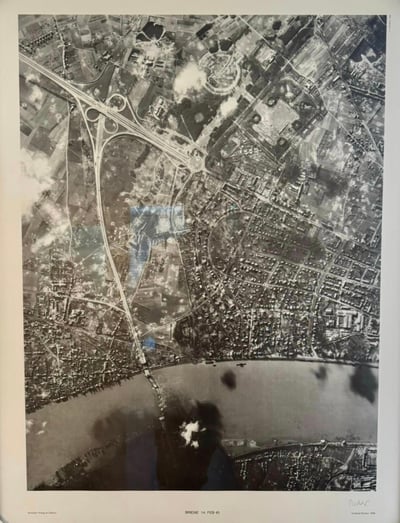
Gerhard Richter
Bridge 14 FEB 45 (III), 2000
Limited Edition Print
Offset Print
GBP 12,000 - 16,000
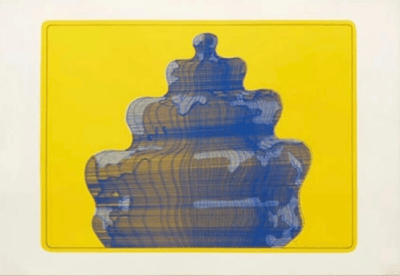
Dieter Roth
Torte in der Sonne (Fancy-Cake in the Sun), 1970
Limited Edition Print
Screen-print
GBP 4,200
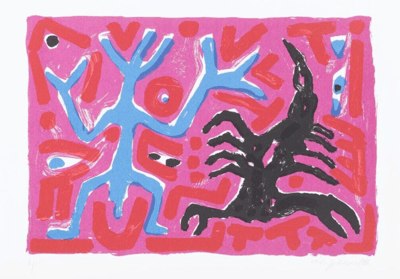
A.R. Penck
Skorpion - Scorpio, 1995
Limited Edition Print
Silkscreen
GBP 6,300

André Butzer
Untitled 1–3 (Suite of 3), 2021
Limited Edition Print
Screen-print
USD 10,800

André Butzer
Pendant Light, 2021
Sculpture / Object
Mixed Media
USD 10,000 - 12,000
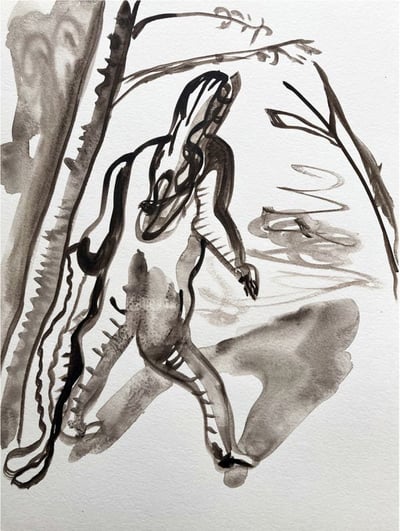
Albert Oehlen
Cezanne, 2021
Limited Edition Print
Pigment print
EUR 1,000
Stephan Balkenhol
Private Listing
Sculpture / Object
Related Articles
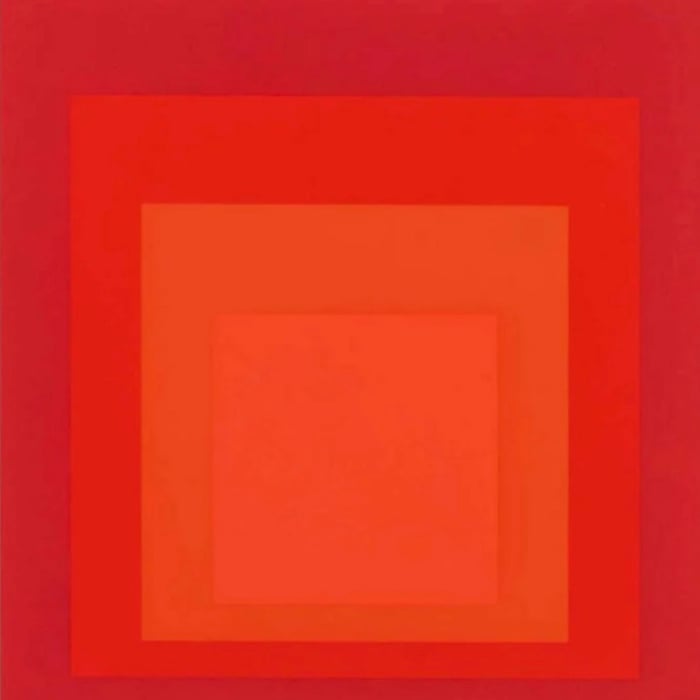
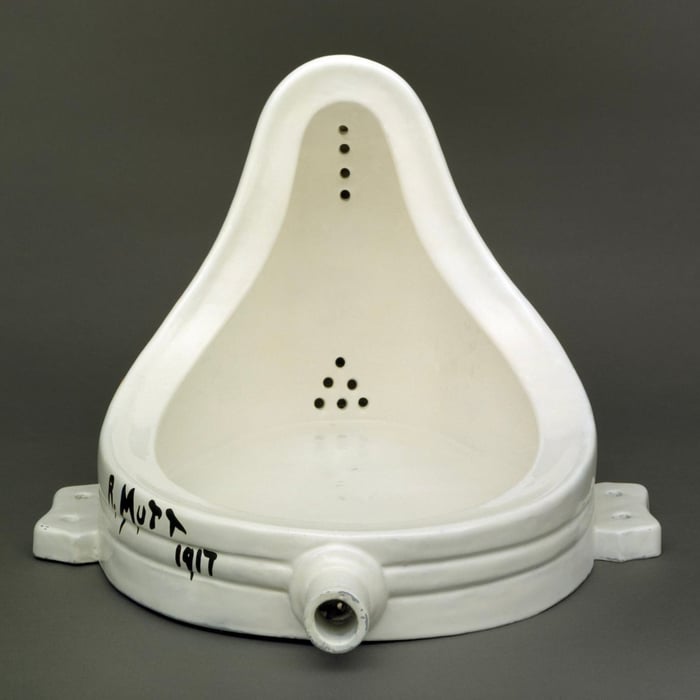
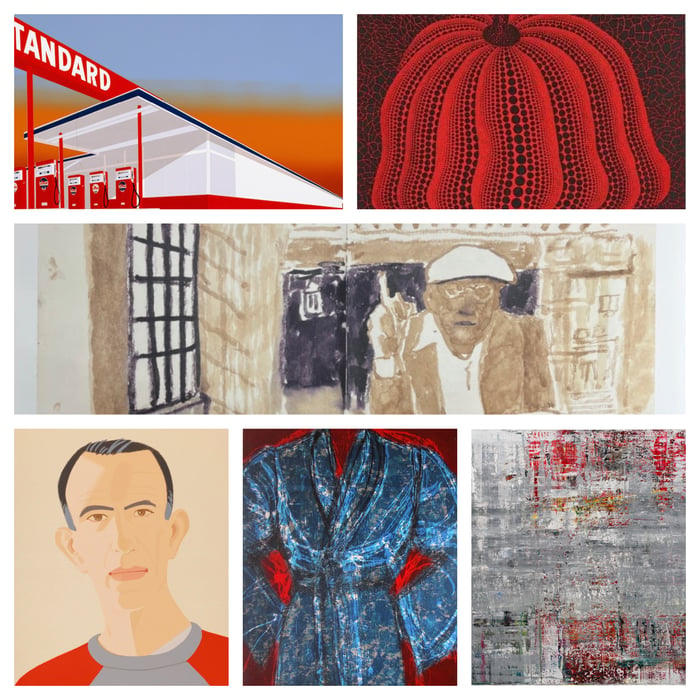

Postminimalism refers to a range of art styles that emerged in the 1960s, following the Minimalism movement. While Minimalism focused on simplicity and impersonality, Postminimalist artists retained some elements of Minimalism but also explored greater expressiveness, experimenting with new materials and techniques. This movement includes various forms of art such as conceptual art, body art, performance art, process art, and site-specific works. Postminimalism represents a shift toward more personal, tactile, and process-oriented approaches to art-making.

Patina is the distinctive greenish surface that bronze develops over time due to exposure to air and humidity. Artists can also apply chemicals to bronze to artificially create patina. Alternatively, bronze can be polished to reveal its natural rich gold color. Patina is not exclusive to bronze; it can also occur on other metals like copper and even on wood and stone, enhancing the material's character over time.
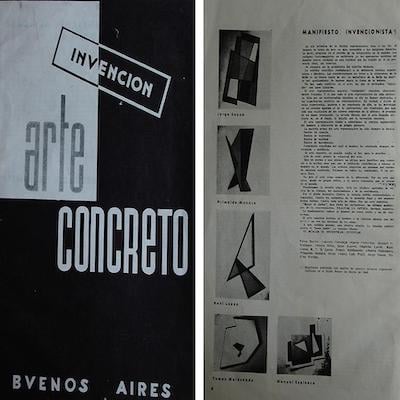
The Manifesto Invencionista was published in 1946, marking the beginning of the concrete art movement in Buenos Aires, Argentina. Written by artist Tomás Maldonado and published by the Asociación Arte Concreto-Invención, the manifesto announced the principles of Concrete Art. Concrete art is purely abstract, with no reference to visual reality, emphasizing geometric forms and the materiality of the artwork itself.
Can't find your Answer?
Thank you! Your question has been sent — we'll get back to you shortly.
