

Italy
The contemporary art scene in Italy is a testament to the nation's deep-rooted artistic tradition, vibrantly interacting with innovative expressions and global movements. Esteemed institutions, including Rome's MAXXI and Venice's Palazzo Grassi, not only present internationally acclaimed artists but also foster emerging talent. Pioneers like Maurizio Cattelan, recognized for his satirical sculptures, and Vanessa Beecroft, known for her immersive performance art, enrich the country's artistic panorama. Italy continues to be a beacon for contemporary art, with its art fairs such as Artissima in Turin, offering a global platform for artistic dialogue. Explore the richness of Italy's contemporary art on the Composition Gallery's website.
- Show All
- Established
- Discoveries
- Show All
Artworks Related to Italy
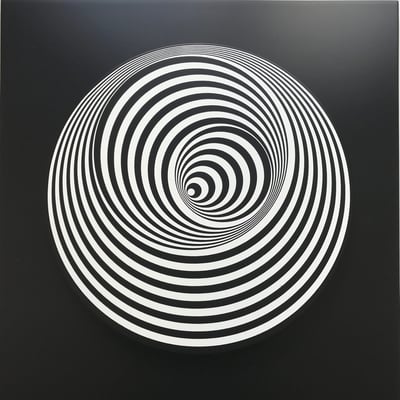
Marina Apollonio
Dinamica Circolare 6B Ruotato, 1968-2020
Sculpture / Object
Wood
Currently Not Available

Giulio Paolini
Senza titolo, 1973
Drawing / Watercolor
Collage
EUR 23,680

Francesco Clemente
Untitled Self Portrait, 1993
Limited Edition Print
Inkjet print
USD 4,650

Vanessa Beecroft
Performances, 2000
Limited Edition Print
Offset Print
Currently Not Available

Agostino Bonalumi
Senza titolo, 1993
Limited Edition Print
Mixed Media
Currently Not Available

Enzo Cucchi
Four arms and seven hands, 2011
Sculpture / Object
Mixed Media
EUR 3,500
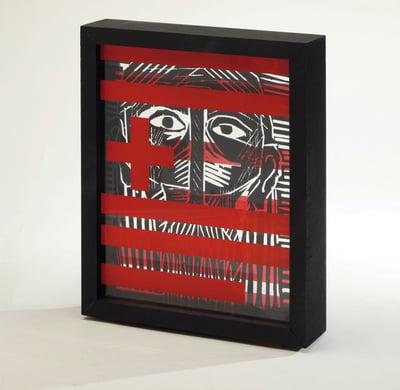
Mimmo Paladino
Nord Sud Mari dell'Est Mari dell'Ovest, 2010
Sculpture / Object
Mixed Media
EUR 3,500

Gabriele de Santis
Manifesto 2017, 2017
Limited Edition Print
Lithograph
EUR 2,000
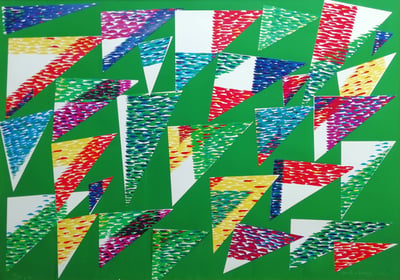
Piero Dorazio
Collage di Triangoli, 1991
Limited Edition Print
Collage
EUR 2,370
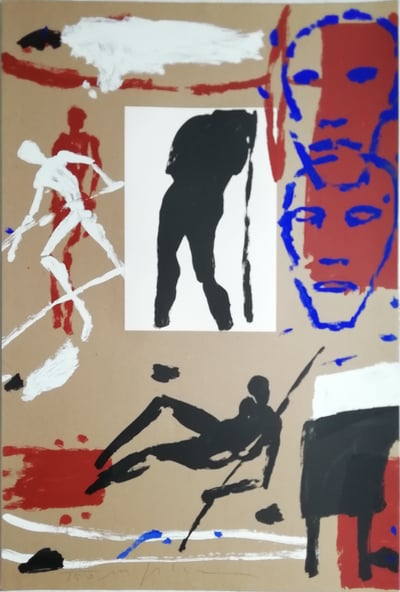
Mimmo Paladino
Untitled (olympic-suite), 1981
Limited Edition Print
Serigraph
EUR 2,150
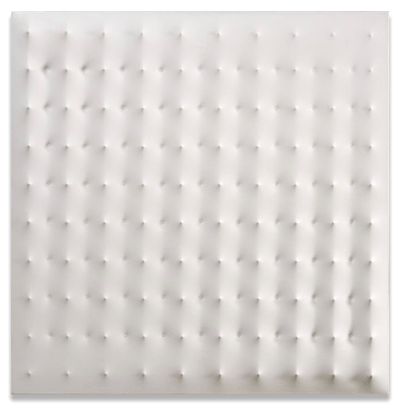
Enrico Castellani
Superficie Bianca, 1968
Limited Edition Print
Plastic
Currently Not Available
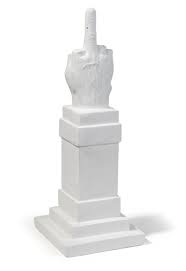
Maurizio Cattelan
L.O.V.E. (1:28) (White), 2010
Sculpture / Object
Mixed Media
Currently Not Available

Marisa Merz
Untitled, 2018
Limited Edition Print
Lithograph
Currently Not Available

Piero Manzoni
Impronta del pollice sinistro, 1960
Limited Edition Print
Lithograph
Currently Not Available
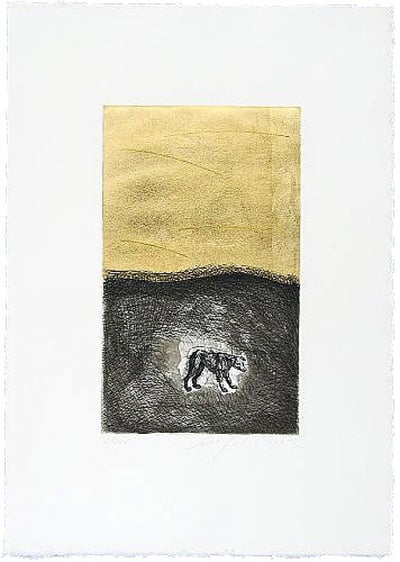
Mimmo Paladino
Dog, 2002
Limited Edition Print
Aquatint
Currently Not Available
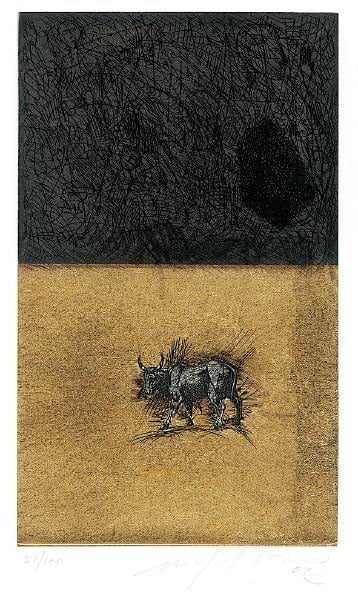
Mimmo Paladino
Bull
Limited Edition Print
Aquatint
Currently Not Available
Related Articles



A silver gelatin print is a type of photographic print made using the silver process. In this process, photographic materials such as black and white films and printing papers are coated with a light-sensitive emulsion of silver salts suspended in gelatin. This emulsion is applied to a support, which could be flexible plastic, glass, resin-coated paper, or baryta paper. The materials are light-sensitive and remain stable under normal storage conditions, making them ideal for long-term preservation.

Intaglio is a printmaking technique where the artist creates marks on a metal plate that hold ink or dye. The inked plate is then pressed onto paper, transferring the ink to the sheet. This process can be repeated multiple times depending on the technique. Intaglio methods, such as etching, often involve applying a mordant (acid) to the metal plate to create the design. Intaglio encompasses various techniques, including engraving, etching, and drypoint.

Recto and verso are terms used to describe the right and left pages of an open book, or the front and back of a sheet of paper. In both cases, recto refers to the right-hand page or the front of the paper, while verso refers to the left-hand page or the back of the paper. These terms are commonly used in bookbinding, printmaking, and art to distinguish between the two sides of a sheet.
Can't find your Answer?
Thank you! Your question has been sent — we'll get back to you shortly.
