

Italy
The contemporary art scene in Italy is a testament to the nation's deep-rooted artistic tradition, vibrantly interacting with innovative expressions and global movements. Esteemed institutions, including Rome's MAXXI and Venice's Palazzo Grassi, not only present internationally acclaimed artists but also foster emerging talent. Pioneers like Maurizio Cattelan, recognized for his satirical sculptures, and Vanessa Beecroft, known for her immersive performance art, enrich the country's artistic panorama. Italy continues to be a beacon for contemporary art, with its art fairs such as Artissima in Turin, offering a global platform for artistic dialogue. Explore the richness of Italy's contemporary art on the Composition Gallery's website.
- Show All
- Established
- Discoveries
- Show All
Artworks Related to Italy

Massimo Vitali
Rosignano Dawn (Diptych), 2002
Photography
Offset Print
USD 2,500

Massimo Vitali
De Haan Kiss, 2002
Photography
Offset Print
USD 1,250
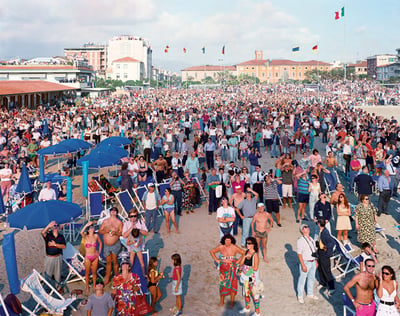
Massimo Vitali
Viareggio Air Show, 2002
Photography
Offset Print
USD 1,300

Massimo Vitali
Marina di Carrara Torre Flat, 2002
Photography
Lithograph
USD 1,875

Massimo Vitali
Marina di Massa, 1999
Photography
Lithograph
USD 1,560

Massimo Vitali
Landscapes with figures (13)
Limited Edition Print
Offset Print
USD 13,000

Enzo Cucchi
La scala, 1990
Limited Edition Print
Mixed Media
Currently Not Available
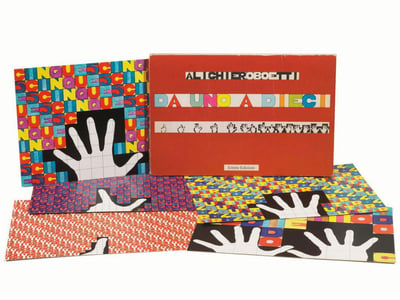
Alighiero Boetti
Da uno a dieci, 1980
Limited Edition Print
Offset Print
Currently Not Available

Agostino Bonalumi
Senza titolo, 1990
Sculpture / Object
Bronze
EUR 3,750
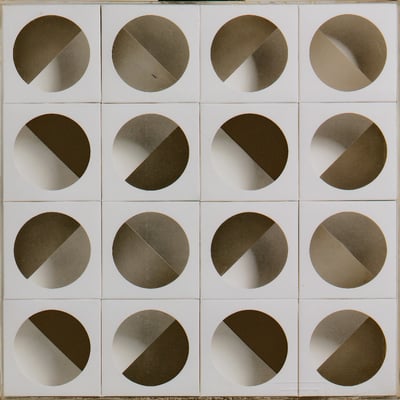
Paolo Scheggi
Inter-Ena Cubo, 1965
Sculpture / Object
Mixed Media
Currently Not Available

Alberto Biasi
Torsioni Sovrapposte Noir, 2017
Sculpture / Object
Mixed Media
EUR 3,000

Sandro Chia
Volti (faces)
Limited Edition Print
Etching and Aquatint
EUR 1,300
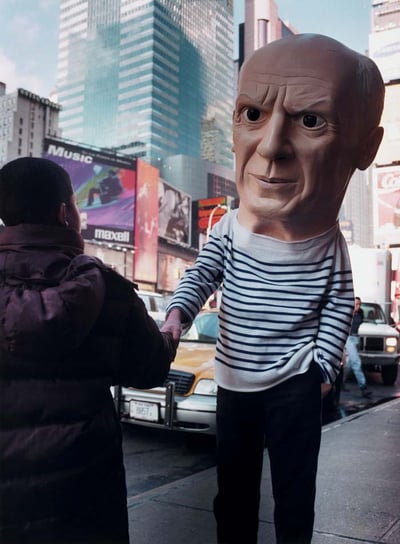
Maurizio Cattelan
Untitled (Picasso), 1999
Limited Edition Print
Photograph
EUR 1,880

Sandro Chia
Untitled (Portrait), 1991
Limited Edition Print
Etching
EUR 2,100

Mario Merz
Ohne Titel
Limited Edition Print
Lithograph
Currently Not Available

Lucio Fontana
Portrait D'antonin Artaud, 1968
Sculpture / Object
Mixed Media
Currently Not Available
Related Articles


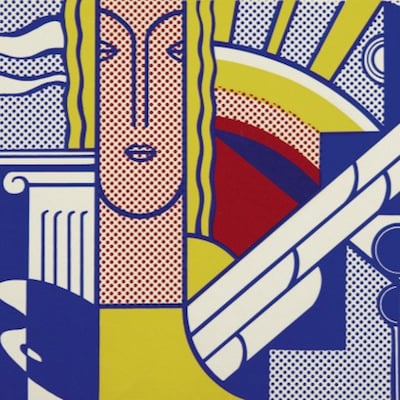
Late Modernism refers to the continuation and evolution of Modernist principles in art, architecture, and literature from the mid-20th century into the late 20th century. This movement maintains a focus on form, abstraction, and the rejection of traditional styles, but it often incorporates more complexity and ambiguity compared to early Modernism. Late Modernism explores themes such as alienation, identity, and the fragmentation of reality, reflecting the social and cultural shifts of the post-war period. It is seen in the works of architects like Louis Kahn and artists like Francis Bacon, who pushed the boundaries of Modernism while responding to the changing world around them.
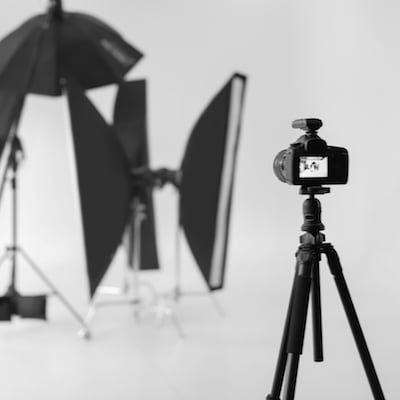
A photograph is an image captured with a camera. Traditionally, photographs were made by exposing film and then developing the image on light-sensitive paper using chemicals. Today, photographs can also be captured digitally and printed or displayed electronically. The process requires a camera, whether film or digital, and a photographer.

Animation is the process of displaying a sequence of static images in rapid succession to create the illusion of movement. Each image, or frame, is slightly altered from the previous one, particularly in the moving parts, so when shown together, they form a continuous motion. Traditionally, illustrators drew each frame by hand to produce this effect.
Can't find your Answer?
Thank you! Your question has been sent — we'll get back to you shortly.
