
What is a Lithograph?
- Show All
- Established
- Discoveries
- Show All
Artworks Related to Lithograph

Joan Miró
I Work Like a Gardener, 1964
Limited Edition Print
Lithograph
EUR 13,800

Regina Giménez
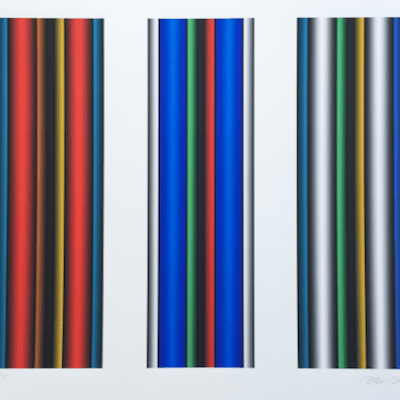
Solar (set of 2), 2025
Limited Edition Print
Lithograph
USD 4,000

Regina Giménez
Solar-2, 2025
Limited Edition Print
Lithograph
EUR 2,000

Regina Giménez
Solar-1, 2025
Limited Edition Print
Lithograph
EUR 2,000
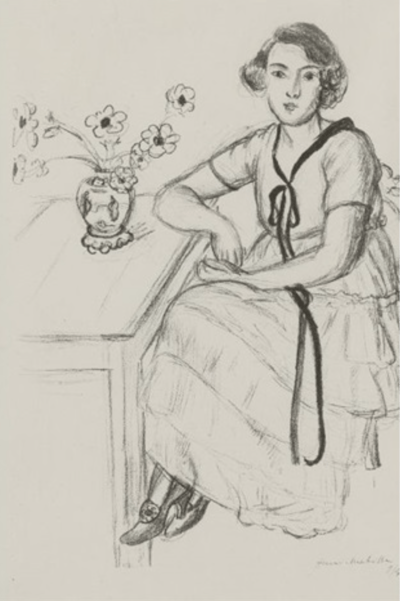
Henri Matisse
La Robe Jaune Au Ruban Noir, 1922
Limited Edition Print
Lithograph
Inquire For Price
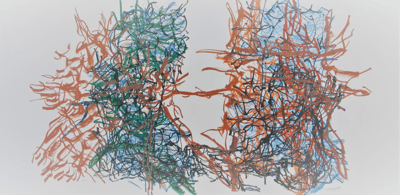
Jean-Paul Riopelle
Album #7 Cat. No. 221, 1967
Limited Edition Print
Lithograph
USD 4,125
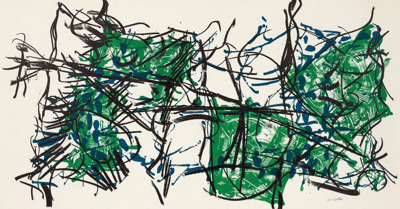
Jean-Paul Riopelle
Album #10 Cat No. 222, 1967
Limited Edition Print
Lithograph
USD 4,125
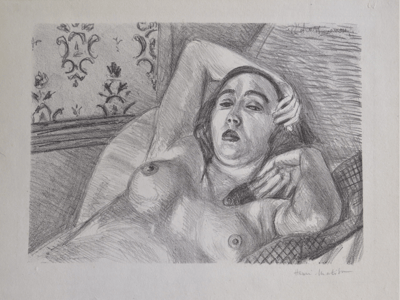
Henri Matisse
D416 Le Repos Du Modele, 1922
Limited Edition Print
Lithograph
USD 8,600
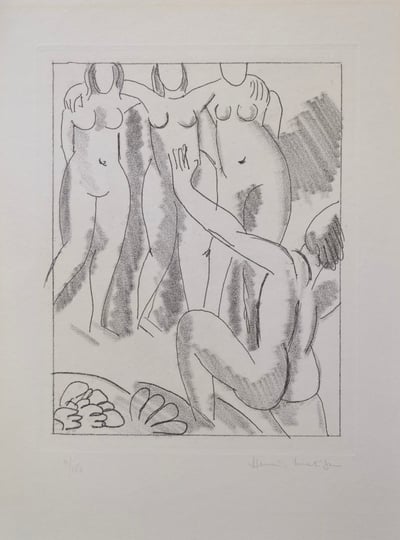
Henri Matisse
D236 Nausicaa Ulyssess Pl202, 1935
Limited Edition Print
Lithograph
USD 10,500
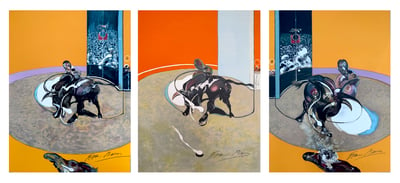
Francis Bacon
Miroir de la Tauromachie, 1990
Limited Edition Print
Lithograph
Inquire For Price
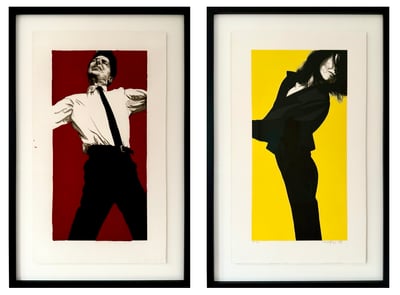
Robert Longo
Gretchen & Jules (Men in the cities), 1982; 1983
Limited Edition Print
Lithograph
Inquire For Price
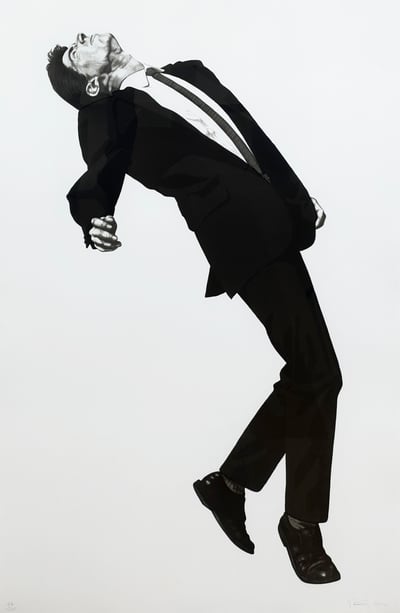
Robert Longo
Jules, from Men in the Cities, 2002
Limited Edition Print
Lithograph
USD 40,000 - 45,000
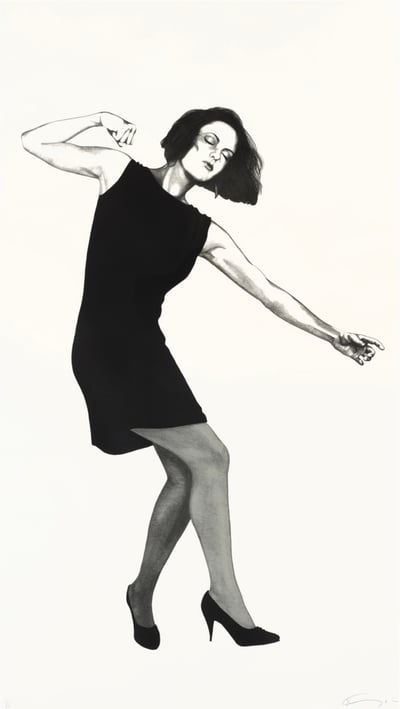
Robert Longo
Tillman, 2000
Limited Edition Print
Lithograph
USD 40,000 - 50,000

Keith Haring
Story of Red and Blue #19, 1989
Limited Edition Print
Lithograph
USD 6,150

Keith Haring
Story of Red and Blue #17, 1989
Limited Edition Print
Lithograph
USD 5,500

Keith Haring
Story of Red and Blue #13, 1989
Limited Edition Print
Lithograph
USD 4,950
Related Articles



Naïve art describes a style of artwork that is simple and unsophisticated, often created by artists without formal training in an academy or art school. The style is characterized by a lack of advanced techniques, giving it a childlike appearance. Naïve art often features bright colors, simple shapes, and a straightforward approach to subject matter, reflecting the artist's untrained perspective.

A curator is a professional responsible for managing and overseeing a collection of art pieces or artifacts. Employed by a gallery or museum, curators use their expertise to acquire, develop, display, and care for the collection. They also organize exhibitions and ensure that the collection is accessible to the public.

New Topographics is a term coined in 1975 by curator William Jenkins to describe a group of photographers whose work focused on formal black-and-white images of urban and industrial landscapes. Jenkins initially described their aesthetic as banal, but the photographers themselves argued that their compositions were as significant as those of natural landscapes, emphasizing the beauty in everyday, man-made environments.
Can't find your Answer?
Thank you! Your question has been sent — we'll get back to you shortly.
