
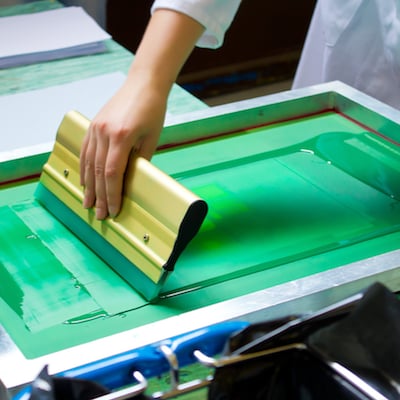
What is a screen-print?
- Show All
- Established
- Discoveries
- Show All
Artworks Related to Screen-print

Invader
LED, 2017
Limited Edition Print
Screen-print
Inquire For Price
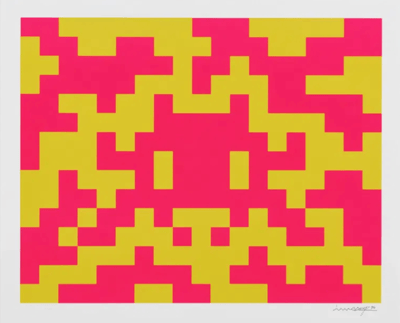
Invader
Camo M-2C-M1, 2024
Limited Edition Print
Screen-print
Inquire For Price

Tom Wesselmann
Woman with Green Blouse, 1988
Limited Edition Print
Screen-print
USD 14,000 - 20,000
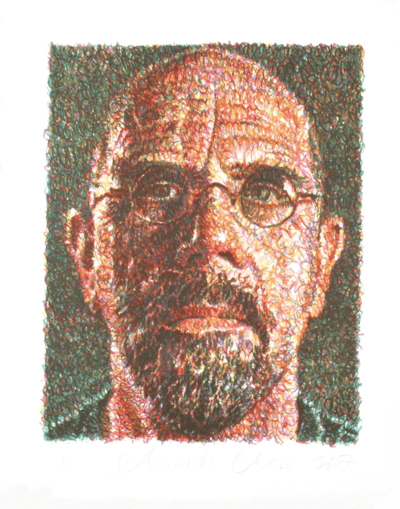
Chuck Close
Self Portrait (Lincoln Center), 2007
Limited Edition Print
Screen-print
USD 12,000 - 17,000
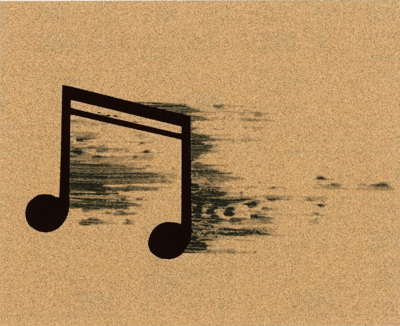
Ed Ruscha
Note, 2018
Limited Edition Print
Screen-print
Inquire For Price
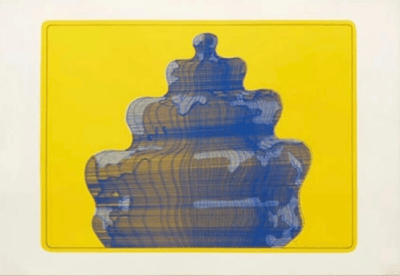
Dieter Roth
Torte in der Sonne (Fancy-Cake in the Sun), 1970
Limited Edition Print
Screen-print
GBP 4,200
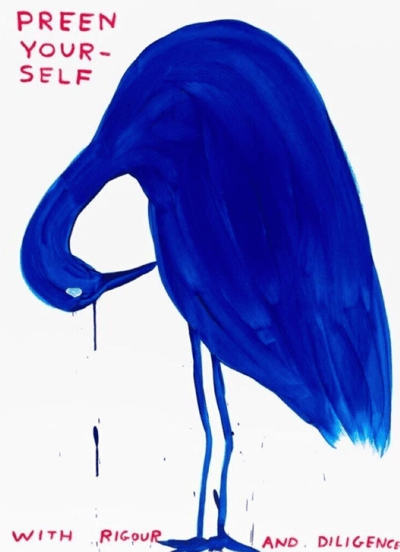
David Shrigley
Preen Yourself, 2023
Limited Edition Print
Screen-print
GBP 3,900
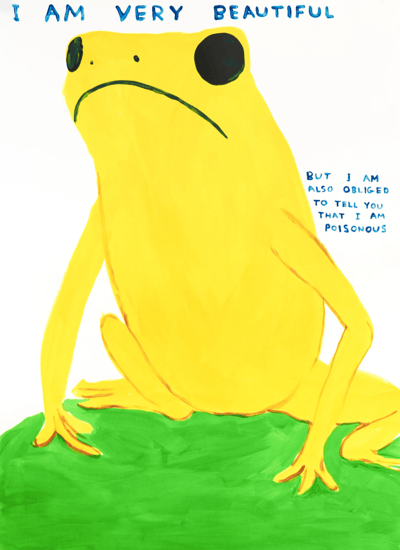
David Shrigley
I Am Very Beautiful, 2025
Limited Edition Print
Screen-print
GBP 3,900

David Shrigley
Everything is Fine, 2023
Limited Edition Print
Screen-print
GBP 5,900
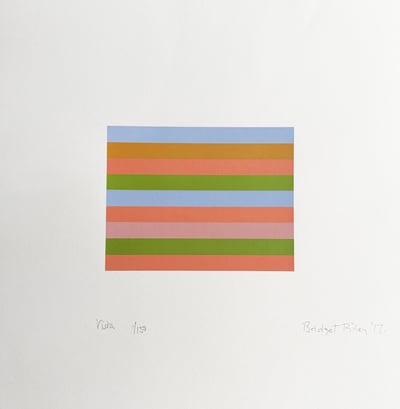
Bridget Riley
Vista, 2017
Limited Edition Print
Screen-print
Inquire For Price
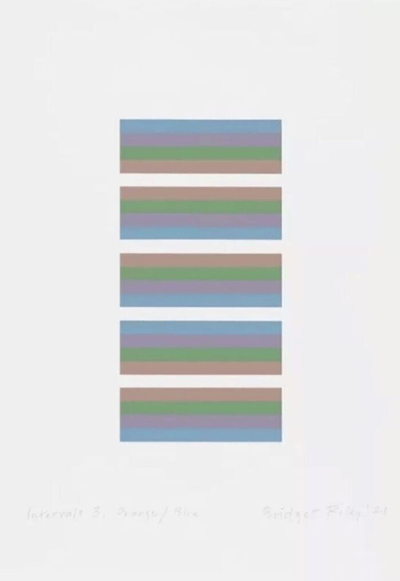
Bridget Riley
Intervals 3 - Orange / Blue, 2021
Limited Edition Print
Screen-print
Inquire For Price
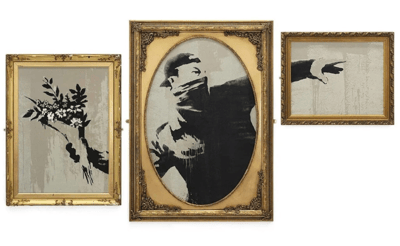
Banksy
Thrower Triptych (VIP), 2019
Limited Edition Print
Screen-print
Inquire For Price

Andy Warhol
Dollar Sign, 1982
Limited Edition Print
Screen-print
Inquire For Price
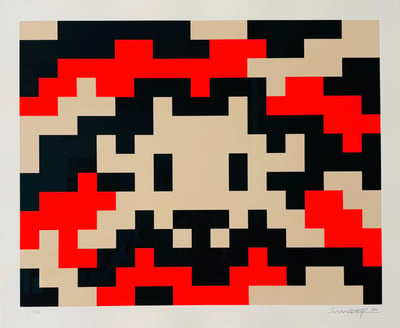
Invader
CAMO M-3C-M2, 2024
Limited Edition Print
Screen-print
EUR 6,000

Mr. Brainwash
Stay Strong Swiss, 2020
Limited Edition Print
Screen-print
EUR 1,600
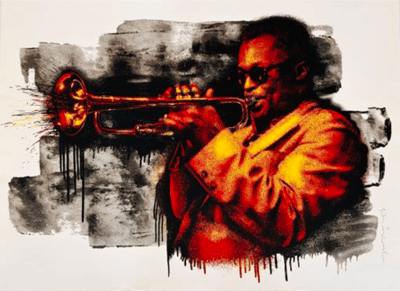
Mr. Brainwash
Miles Davis (Red, Yellow), 2015
Limited Edition Print
Screen-print
EUR 2,500
Related Articles


The Light and Space Movement refers to loosely affiliated art movements connected to minimalism, geometric abstraction, and op art that originated in Southern California in the 1960s. Greatly influenced by artist John McLaughlin, these artists focused on sensory phenomena such as light, perception, and space as central elements of their work. They also incorporated cutting-edge technologies from the aerospace and engineering industries to develop light-filled and sensuous objects, creating immersive experiences that emphasize the viewer's perception.
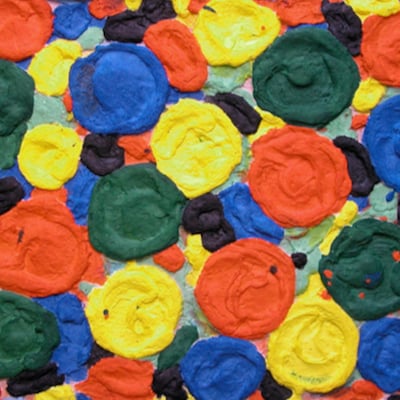
Aquagravure is a technique that combines multiple processes. It involves compressing wet paper pulp in a carved wood mold until the water drains off. The compressed paper is then painted, and ink is added to the mold to print onto the painted paper. The final work is allowed to dry. This method results in a unique textural and visual effect, blending elements of printmaking and papermaking.

Mezzotint is a printmaking technique in which a copper or steel plate is roughened to produce a solid black print. The artist smooths specific areas of the plate to create a range of tones, from deep blacks to delicate grays and whites. By varying the degree of smoothing, the artist can achieve detailed gradations of light and shadow, resulting in prints with rich, velvety textures and subtle transitions between light and dark.
Can't find your Answer?
Thank you! Your question has been sent — we'll get back to you shortly.
