
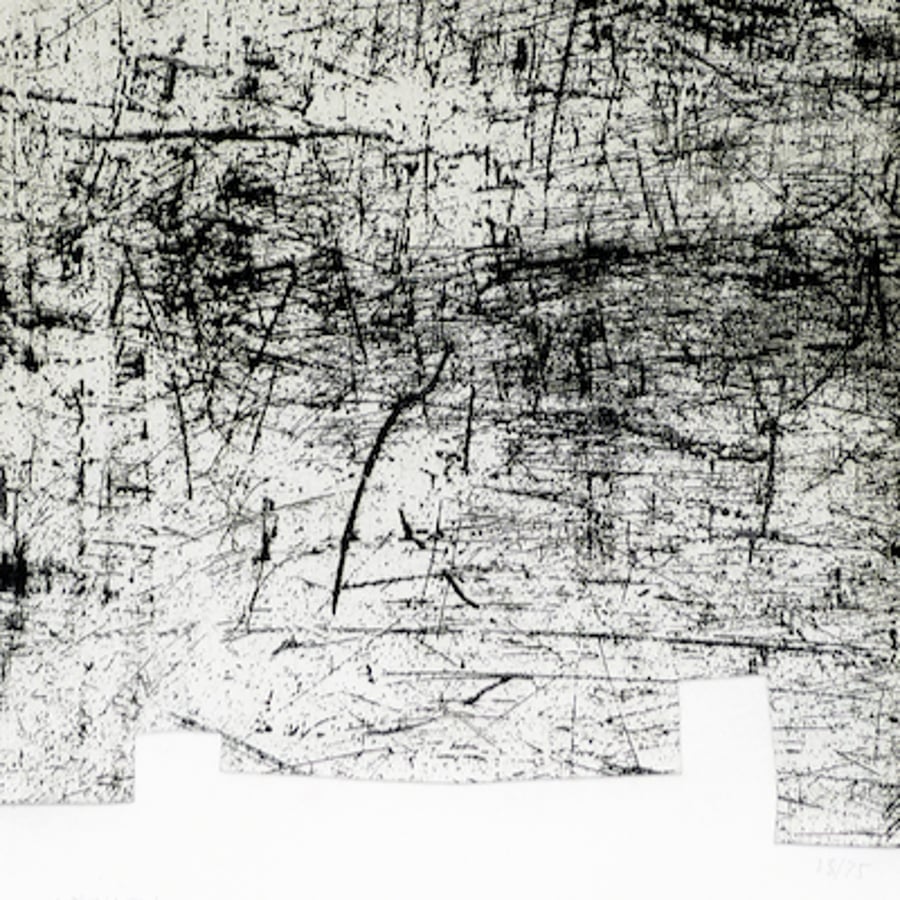
What is abstract art?
- Show All
- Established
- Discoveries
- Show All
Artworks Related to Abstract art

Sam Francis
Untitled (SFE-072), 1989
Limited Edition Print
Mixed Media
USD 9,600
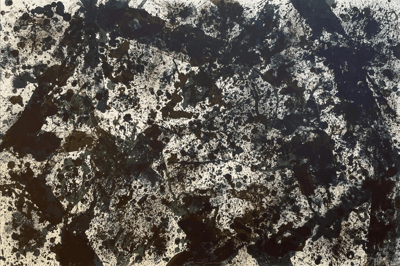
Sam Francis
Dark Cup (SF-141), 1973
Limited Edition Print
Lithograph
USD 6,700

Alexander Calder
Stone Age, ca. 1970
Limited Edition Print
Lithograph
USD 9,600

Alexander Calder
Taches de Rousser (from La Memoire Elementaire), 1976
Limited Edition Print
Lithograph
USD 9,600
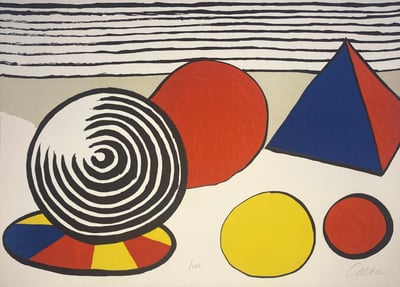
Alexander Calder
Le point de non retour (from La Memoire Elementaire), 1976
Limited Edition Print
Lithograph
USD 9,600
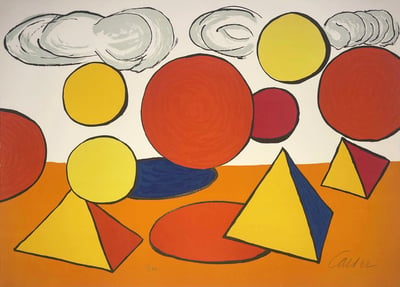
Alexander Calder
Le piège (from La Memoire Elementaire), 1976
Limited Edition Print
Lithograph
USD 9,600
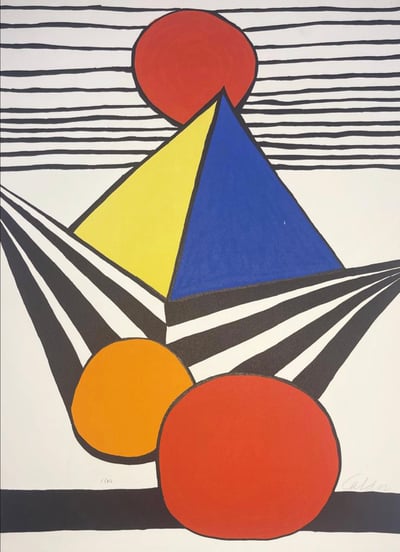
Alexander Calder
La pointe du progrès (from La Memoire Elementaire), 1976
Limited Edition Print
Lithograph
USD 9,600
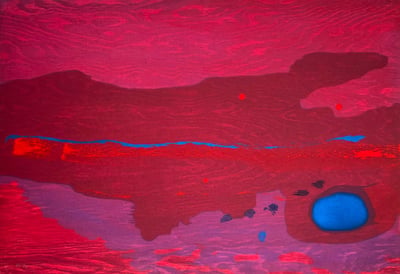
Helen Frankenthaler
Japanese Maple, 2005
Limited Edition Print
Mixed Media
Currently Not Available
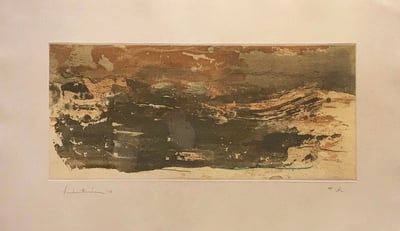
Helen Frankenthaler
Earth Slice, 1978
Limited Edition Print
Etching and Aquatint
USD 11,500

Alexander Calder
Our Unfinished Revolution: Octopus/Squid, 1975-1976
Limited Edition Print
Lithograph
USD 9,600
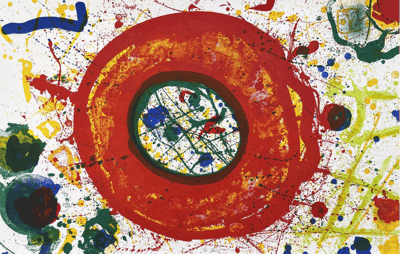
Sam Francis
Untitled (SF-356), 1992
Limited Edition Print
Lithograph
USD 14,400
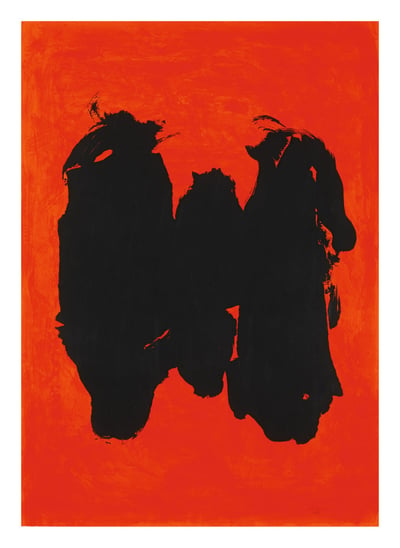
Robert Motherwell
Three Figures, 1989
Limited Edition Print
Lithograph
USD 30,000 - 40,000
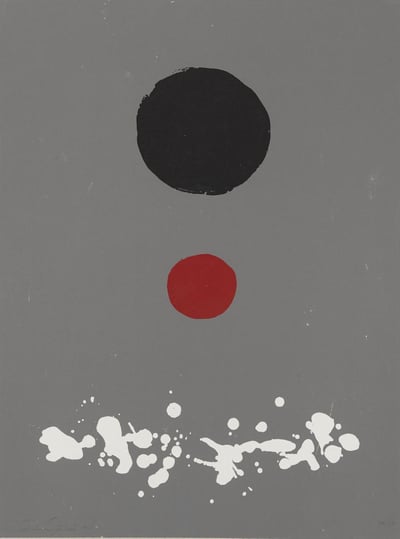
Adolph Gottlieb
Jetsam, 1967
Limited Edition Print
Serigraph
USD 3,350

Sam Francis
Untitled (SFE-073RC), 1973
Limited Edition Print
Etching and Aquatint
USD 7,800
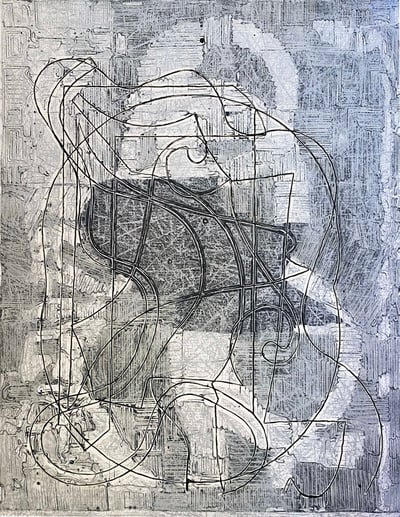
Frank Stella
Imola Three, I (from the Circuits Series), 1982
Limited Edition Print
Mixed Media
USD 43,000 - 50,000

Ellsworth Kelly
Mallarmé Suite: Blue, 1992
Limited Edition Print
Lithograph
USD 11,500
Related Articles


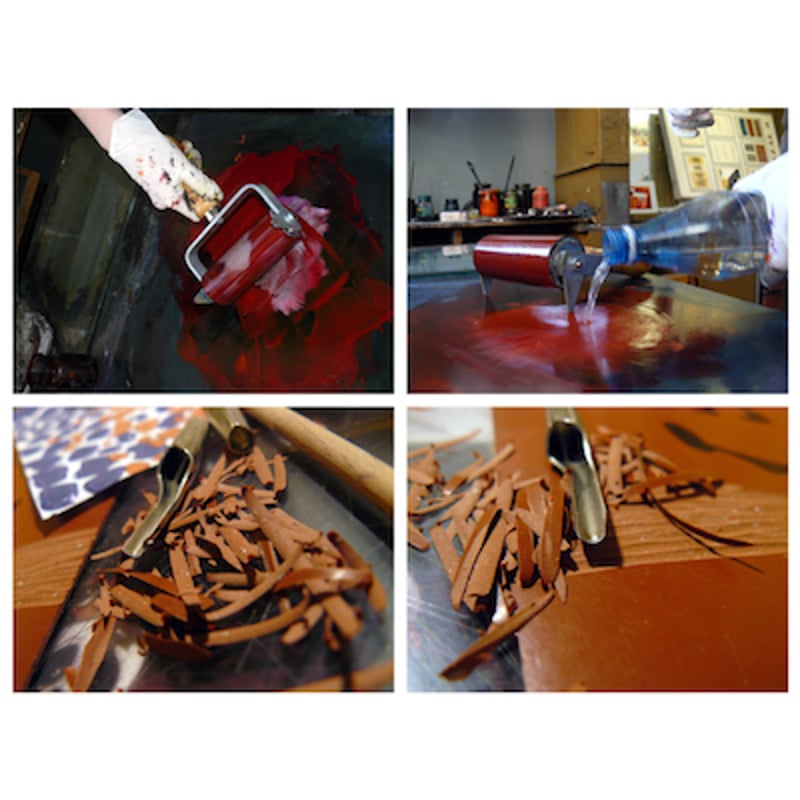
Linocut is a printmaking technique similar to woodcut, where a sheet of linoleum is used as the relief surface. The design is carved into the linoleum using a V-shaped gouge or chisel, creating raised areas that form a mirror image of the final print. Ink is applied to the raised areas with a roller, and the linoleum sheet is then pressed onto fabric or paper. The printing can be done by hand or with a press.

A silver gelatin print is a type of photographic print made using the silver process. In this process, photographic materials such as black and white films and printing papers are coated with a light-sensitive emulsion of silver salts suspended in gelatin. This emulsion is applied to a support, which could be flexible plastic, glass, resin-coated paper, or baryta paper. The materials are light-sensitive and remain stable under normal storage conditions, making them ideal for long-term preservation.

A Catalogue Raisonné is an annotated and comprehensive listing of all the known works of an artist. It includes detailed information that helps to identify and authenticate the artist's output across all media or within a specific medium. Typical details in a catalogue raisonné include the title, dimensions, date, medium, and current location of each work. This resource is essential for scholars, collectors, and art historians in tracking and verifying the complete body of work by an artist.
Can't find your Answer?
Thank you! Your question has been sent — we'll get back to you shortly.
