
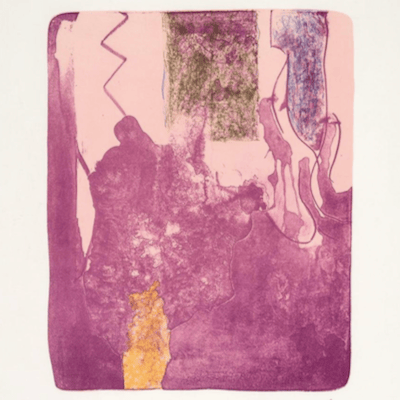
What is abstract expressionism?
- Show All
- Established
- Discoveries
- Show All
Artworks Related to Abstract expressionism
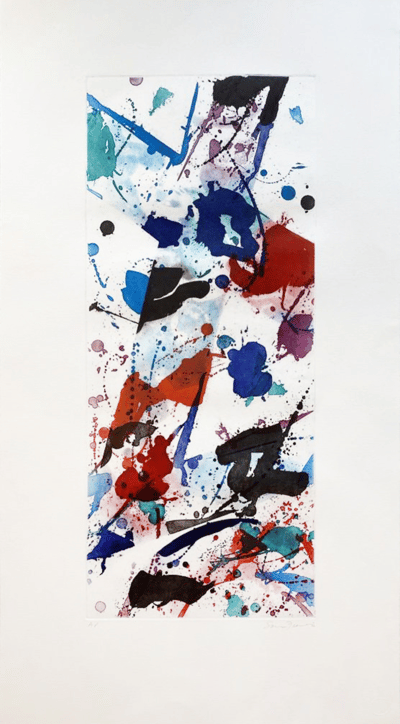
Sam Francis
Untitled (SFE-014), 1984
Limited Edition Print
Aquatint
USD 12,900
Helen Frankenthaler
Private Listing
Limited Edition Print

Sam Francis
Untitled (SFE-072), 1989
Limited Edition Print
Mixed Media
USD 9,600
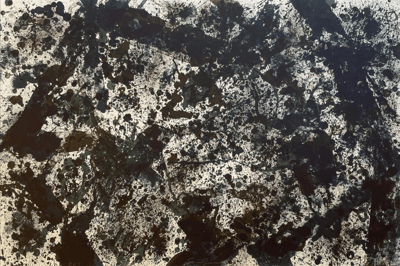
Sam Francis
Dark Cup (SF-141), 1973
Limited Edition Print
Lithograph
USD 6,700
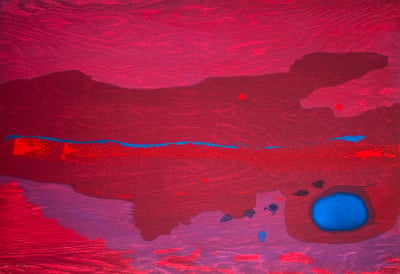
Helen Frankenthaler
Japanese Maple, 2005
Limited Edition Print
Mixed Media
Currently Not Available

Helen Frankenthaler
Earth Slice, 1978
Limited Edition Print
Etching and Aquatint
USD 11,500
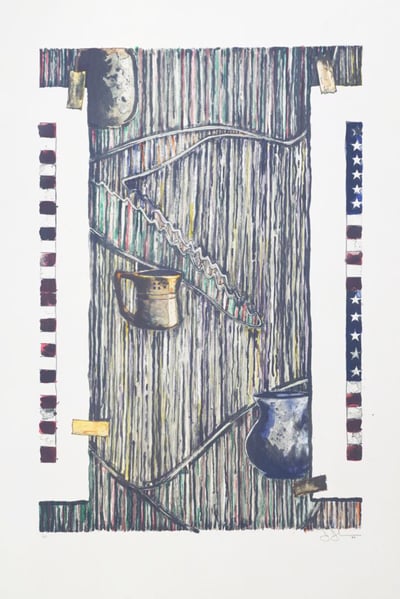
Jasper Johns
Ventriloquist, 1985
Limited Edition Print
Lithograph
USD 13,000
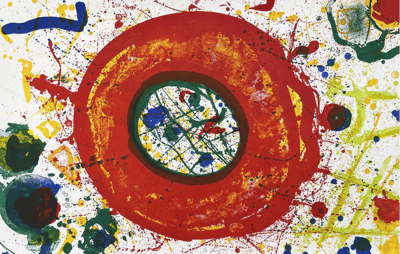
Sam Francis
Untitled (SF-356), 1992
Limited Edition Print
Lithograph
USD 14,400

Jasper Johns
Periscope, 1981
Limited Edition Print
Etching and Aquatint
USD 25,000 - 30,000
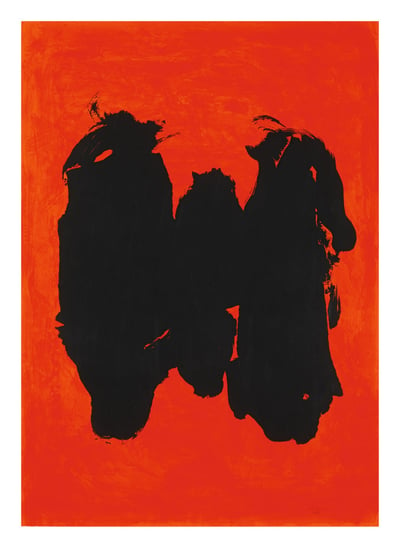
Robert Motherwell
Three Figures, 1989
Limited Edition Print
Lithograph
USD 30,000 - 40,000

Adolph Gottlieb
Jetsam, 1967
Limited Edition Print
Serigraph
USD 3,350
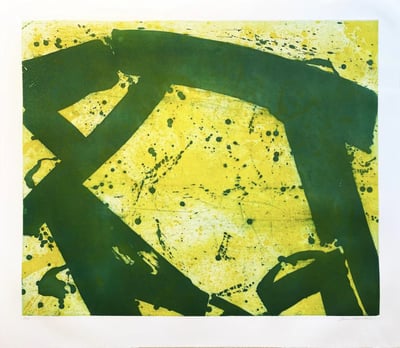
Sam Francis
Untitled (SFE-073RC), 1973
Limited Edition Print
Etching and Aquatint
USD 7,800
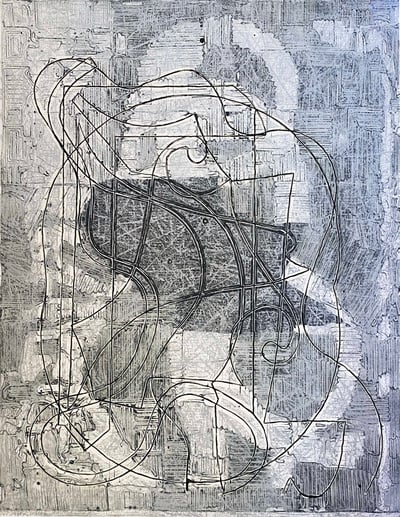
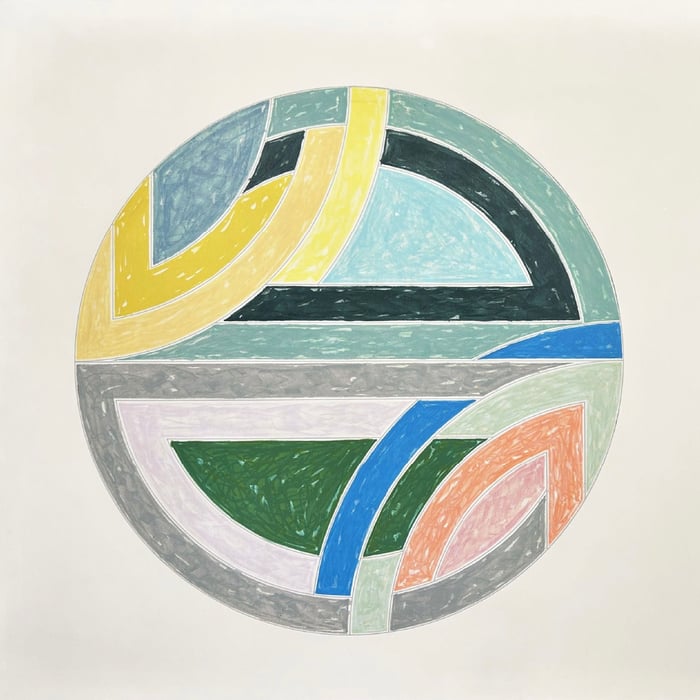
Frank Stella
Imola Three, I (from the Circuits Series), 1982
Limited Edition Print
Mixed Media
USD 43,000 - 50,000
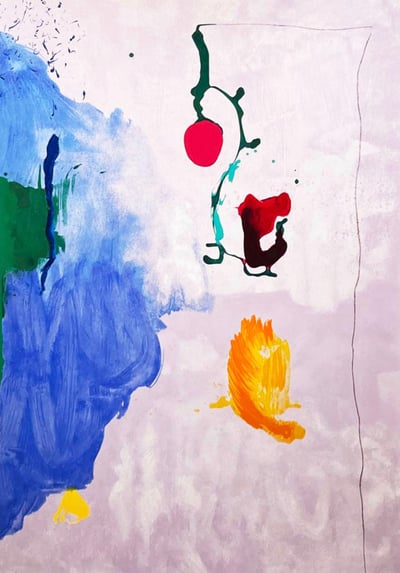
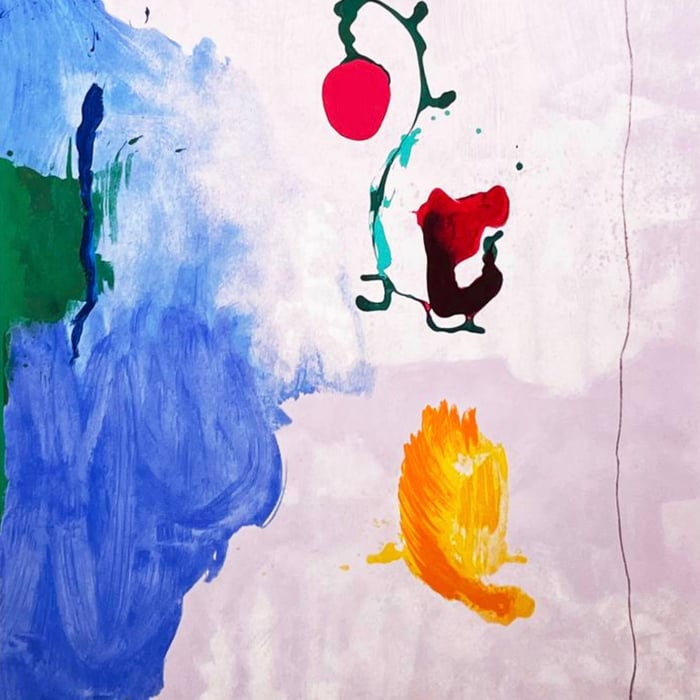
Helen Frankenthaler
Eve, 1995
Limited Edition Print
Screen-print
Currently Not Available

Richard Diebenkorn
Seated woman, 1965
Limited Edition Print
Lithograph
USD 3,250
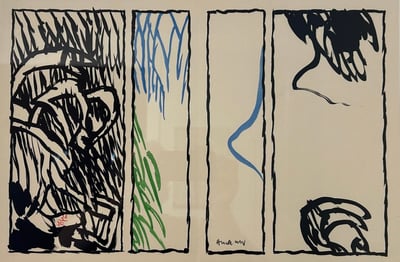
Pierre Alechinsky
Vacillations (with Watercolor), 1979
Limited Edition Print
Lithograph
Currently Not Available
Related Articles

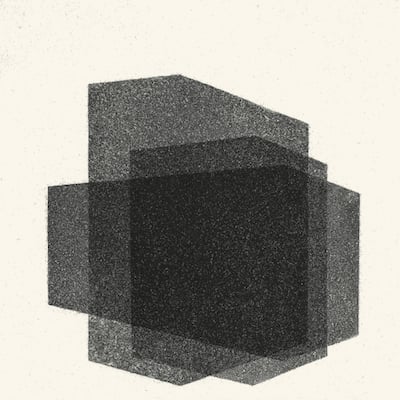
Intaglio is a printmaking technique where the artist creates marks on a metal plate that hold ink or dye. The inked plate is then pressed onto paper, transferring the ink to the sheet. This process can be repeated multiple times depending on the technique. Intaglio methods, such as etching, often involve applying a mordant (acid) to the metal plate to create the design. Intaglio encompasses various techniques, including engraving, etching, and drypoint.

Generative art refers to art that is wholly or partly created through an autonomous system. This system can be independent or non-human, capable of determining features that would otherwise be decided by the artist. The generative system can act as the creator or as a collaborator with the artist. Generative art often refers to works generated algorithmically by computers, where the system plays a significant role in the creation process.
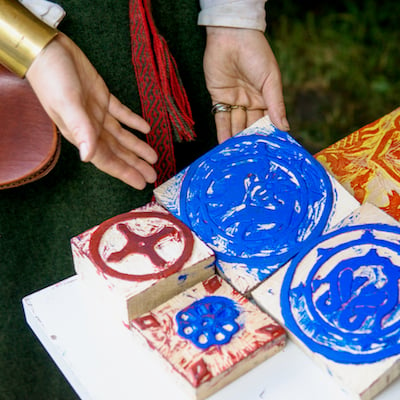
Woodblock printing is a technique that uses a carved wooden surface to create an image on materials such as paper or cloth. Ink or paint is applied thinly to the carved surface, which is then pressed against the material to transfer the image. This method has been historically significant in various cultures for producing prints and textiles.
Can't find your Answer?
Thank you! Your question has been sent — we'll get back to you shortly.
