
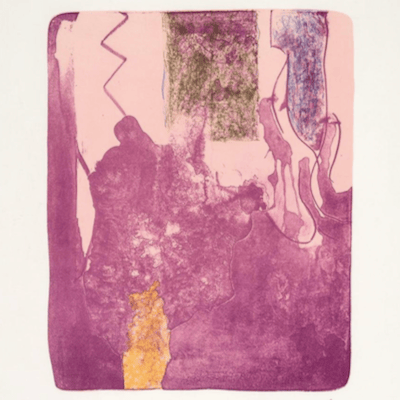
What is abstract expressionism?
- Show All
- Established
- Discoveries
- Show All
Artworks Related to Abstract expressionism
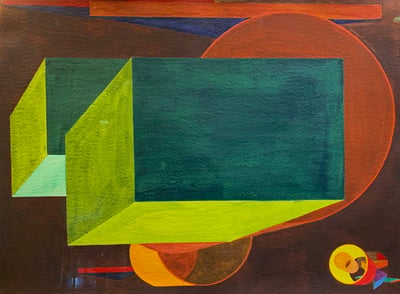
Al Held
Camerata XII, 1989
Drawing / Watercolor
Watercolor
USD 29,500

Al Held
Pachinko, 1989
Limited Edition Print
Woodcut
USD 5,500
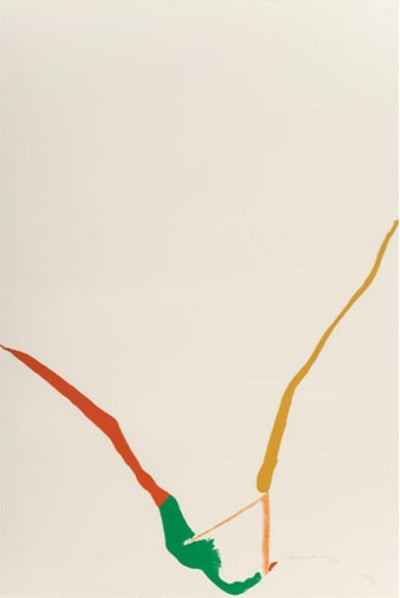
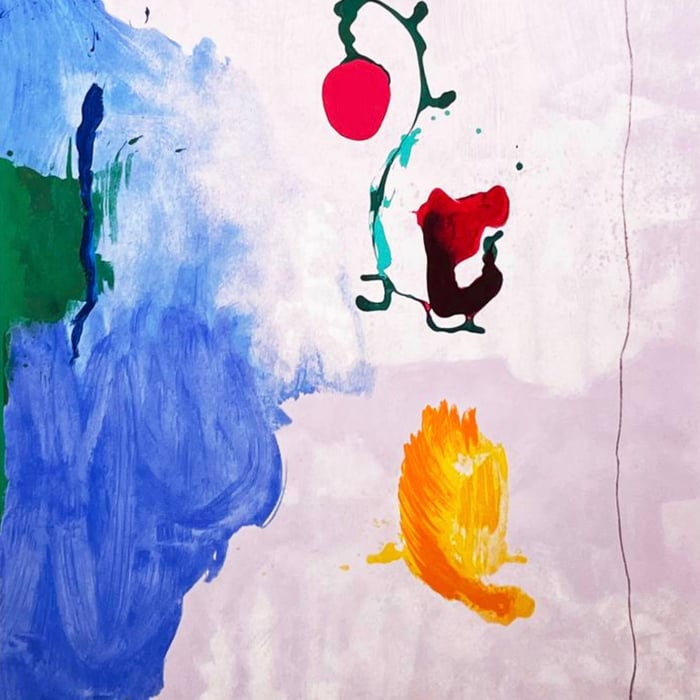
Helen Frankenthaler
Untitled (What red lines can do), 1970
Limited Edition Print
Serigraph
USD 6,700

Allen Jones
Catwalk, 1999
Limited Edition Print
Etching and Aquatint
USD 6,600

Carmen Herrera
Rojo y Negro (Red and Black), 1993
Limited Edition Print
Screen-print
GBP 5,400
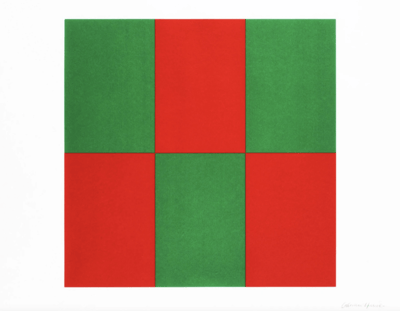
Carmen Herrera
Verde y Rojo, 2019
Limited Edition Print
Screen-print
Inquire For Price

Carmen Herrera
Untitled NRW, 2017
Limited Edition Print
Lithograph
GBP 8,300
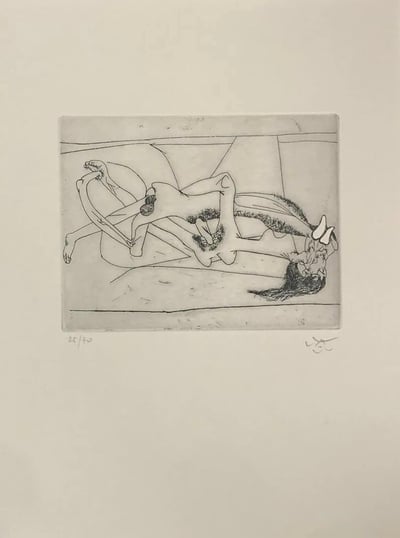
Roberto Matta
Untitled 212 (From the New School), 1980
Limited Edition Print
Etching and Aquatint
USD 850

Carmen Herrera
The Way, 2017
Limited Edition Print
Lithograph
GBP 9,900

Jasper Johns
Knee, 1974
Limited Edition Print
Lithograph
USD 7,350

Robert Motherwell
Red Wind, 1987
Limited Edition Print
Lithograph
USD 5,400

Robert Rauschenberg
Untitled (Native American with Truck), 2000
Limited Edition Print
Pigment print
EUR 2,850

Jasper Johns
Cross Hatch, 1977
Limited Edition Print
Screen-print
Currently Not Available

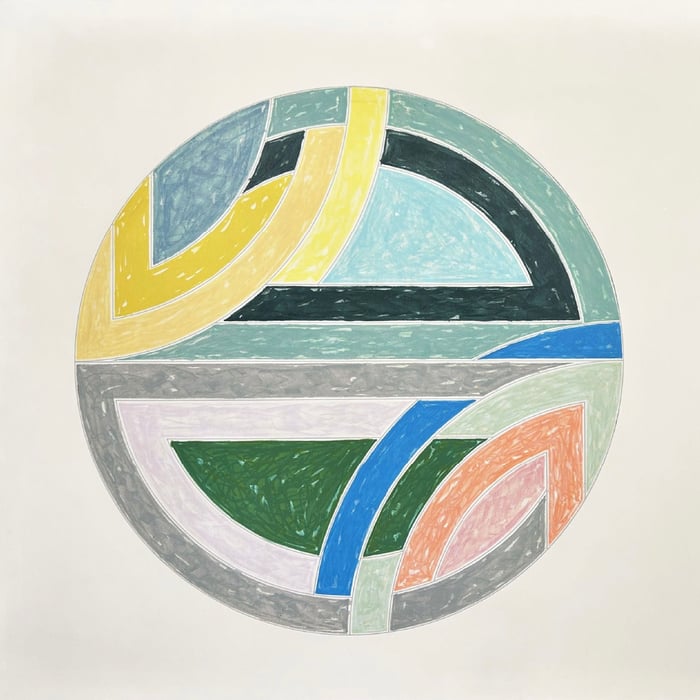
Frank Stella
Sinjerli Variation I, 1977
Limited Edition Print
Mixed Media
Currently Not Available

Karel Appel
Il Pagliacci, 1984
Limited Edition Print
Lithograph
USD 2,150

Robert Rauschenberg
Horsefeathers Thirteen I, 1972
Limited Edition Print
Mixed Media
Currently Not Available
Related Articles


Body art involves creating art directly on or with the human body. Common forms include body piercings and tattoos, but it also encompasses practices like branding, scarification, scalping, body painting, full-body tattoos, body shaping, and sub-dermal implants. Body art can also refer to a subcategory of performance art where the artist's body is central to the artwork.

Wax is a solid material derived from plant, animal, and petroleum sources. It is used to protect paints from wear, create sculptures, make wax crayons and colored pencils, and for encaustic painting. In encaustic painting, colored beeswax is shaped with special tools to create textured, raised surfaces.

Sand consists of loose grains of material primarily made up of minerals like quartz, mica, and feldspar, as well as small fragments of rocks. Sand paintings are created by pouring colored sand into intricate designs, often for cultural rituals or special celebrations. These designs can take many days to complete and are traditionally brushed away after the ceremony, emphasizing the impermanence of the artwork.
Can't find your Answer?
Thank you! Your question has been sent — we'll get back to you shortly.
