

What is contemporary art?
- Show All
- Established
- Discoveries
- Show All
Artworks Related to Contemporary Art

Weiwei Ai
Year of the Ox, 2021
Limited Edition Print
Screen-print
Inquire For Price

Julian Opie
Sprinters: Women Sprinters 2, 2024
Limited Edition Print
Mixed Media
USD 14,300

Julian Opie
Sprinters: Women Sprinters 1, 2024
Limited Edition Print
Mixed Media
USD 14,300

Julian Opie
Sprinters: Men Sprinters 3, 2024
Limited Edition Print
Mixed Media
USD 14,300

Julian Opie
Sprinters: Men Sprinters 2, 2024
Limited Edition Print
Mixed Media
USD 14,300
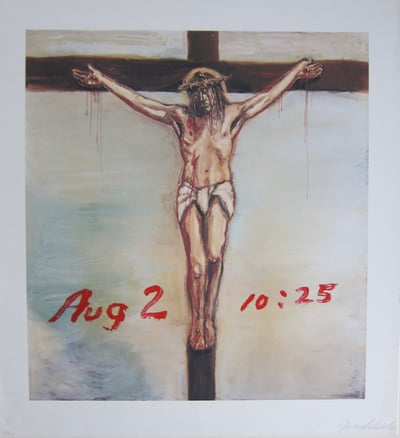
Julian Schnabel
per non dimenticare, 1997
Limited Edition Print
Lithograph
EUR 3,000
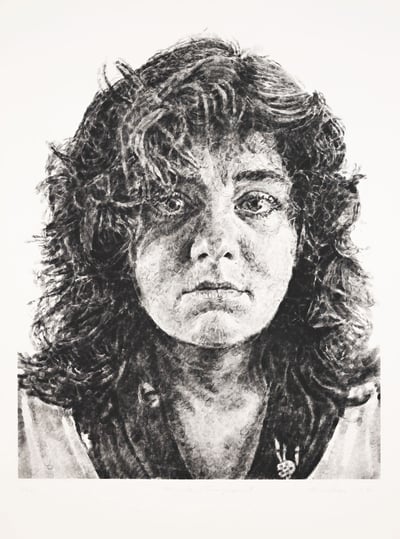
Chuck Close
Marta/Fingerprint, 1986
Limited Edition Print
Etching
Inquire For Price

Chuck Close
Leslie/Fingerprint, 1986
Limited Edition Print
Etching
Inquire For Price
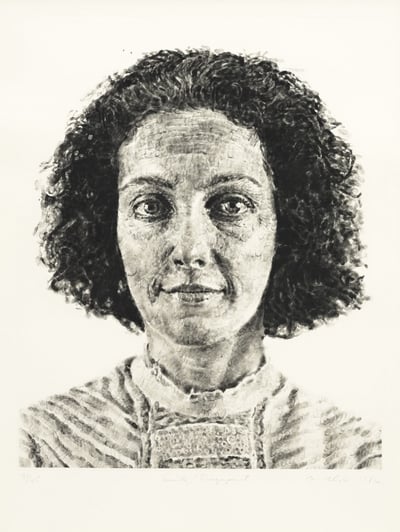
Chuck Close
Emily/Fingerprint, 1986
Limited Edition Print
Etching
Inquire For Price

Takashi Murakami
August Joy Silkscreen (Orange Blue Flowers), 2019
Limited Edition Print
Silkscreen
USD 3,000

Peter Doig
D2-3 Alice at Boscoe's, 2023
Limited Edition Print
Giclée printing
GBP 9,000 - 12,000

Peter Doig
Fisherman, 2013
Limited Edition Print
Pigment print
EUR 7,000 - 10,000

Robert Longo
Thunder Road, 2010
Limited Edition Print
Digital Print on paper
USD 21,200
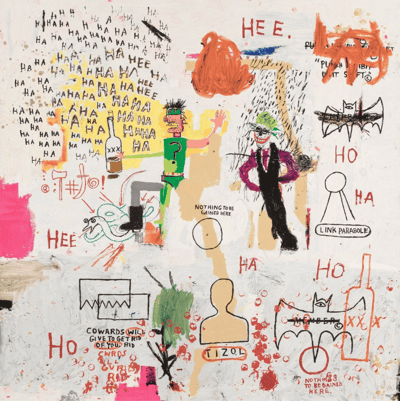
Jean-Michel Basquiat
Riddle Me This, Batman, 1982-87/2022
Limited Edition Print
Screen-print
USD 55,000 - 70,000
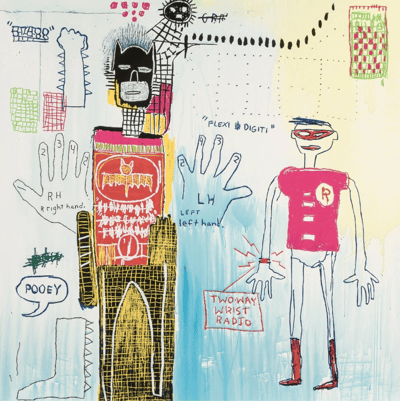
Jean-Michel Basquiat
Piano Lesson, 1982-87/2022
Limited Edition Print
Screen-print
USD 55,000 - 70,000
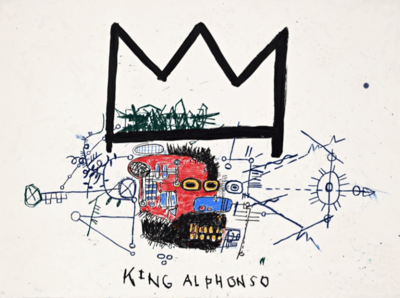
Jean-Michel Basquiat
King Alphonso, 1982-83, 2025
Limited Edition Print
Screen-print
USD 55,500
Related Articles


Attribute can function as both a noun and a verb. As a noun, it refers to an object, symbol, or animal commonly associated with a specific person, often used in art to identify figures, such as a lion with St. Mark. As a verb, it means to assign a work of art to a particular artist, usually based on stylistic analysis or other evidence, such as attributing a painting to an artist based on its technique and composition.

Minimalism is a style in music and visual arts characterized by pared-down designs and simplicity. It began in Western art after World War II, gaining prominence particularly in American visual arts. Minimalism draws heavily on aspects of modernism and is often viewed as a reaction against Abstract Expressionism, as well as a precursor to post-minimal art practices. Prominent minimalist artists include Agnes Martin, Donald Judd, Robert Morris, Frank Stella, and Dan Flavin.

A plate is a broad, primarily flat vessel used for serving food, but it can also serve ceremonial or decorative purposes. Plates are typically circular, though they can be any shape and made from various water-resistant materials. Most plates have raised edges, either by curving upward or featuring a wider lip. Vessels without a raised edge or with a more rounded profile are often considered bowls or dishes, while very large, plate-shaped vessels might also be classified as dishes.
Can't find your Answer?
Thank you! Your question has been sent — we'll get back to you shortly.
