

What is contemporary art?
- Show All
- Established
- Discoveries
- Show All
Artworks Related to Contemporary Art

Takashi Murakami
Flower Ball (3-D) Autumn 2004, 2013
Limited Edition Print
Offset Print
USD 3,800

Takashi Murakami
Flowerball (3D) - Papyrus, 2013
Limited Edition Print
Offset Print
USD 4,250
Robert Longo
Private Listing
Limited Edition Print

Takashi Murakami
My Arms & Legs Rot off and through my blood rushes forth, the tranquility of my heart shall be prized above, 2007
Limited Edition Print
Offset Print
USD 3,200

Yoshitomo Nara
Bow Wow Wow, 2015
Limited Edition Print
Woodcut
Currently Not Available

Robert Longo
Saturn, 2006
Limited Edition Print
Mixed Media
USD 6,200

Takashi Murakami
New Day Self Portrait, 2011
Limited Edition Print
Silkscreen
USD 8,450
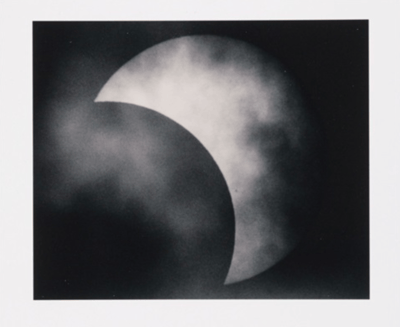
Thomas Ruff
Eclipse, 2004
Limited Edition Print
Photograph
USD 2,550
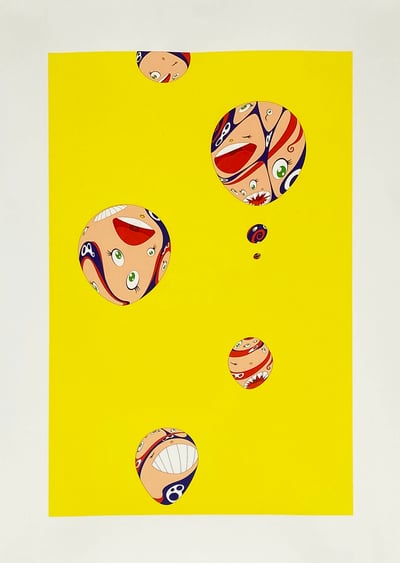
Takashi Murakami
Puka Puka
Limited Edition Print
Screen-print
USD 11,900

Takashi Murakami
And Then x 727 (ULTRA MARINE GUNJO), 2013
Limited Edition Print
Lithograph
Currently Not Available

Takashi Murakami
Comprehending the 51st Dimension, 2014
Limited Edition Print
Offset Print
USD 4,450
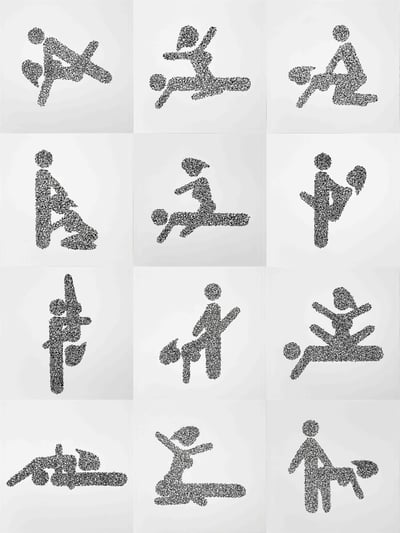
Vik Muniz
Love Bug Suite, 2014
Limited Edition Print
C-Print
Inquire For Price

Julie Mehretu
Corner of Lake and Minnehaha, 2022
Limited Edition Print
Screen-print
USD 65,000 - 80,000

Marc Quinn
Untitled - Plate 3 from the Garden 2, 2000
Limited Edition Print
Pigment print
USD 3,100

David LaChapelle
First I need your hand then forever can begin, 2009
Photography
C-Print
USD 11,900

Julie Mehretu
Corner of Lake and Minnehaha (blue), 2022
Limited Edition Print
Screen-print
USD 70,000 - 80,000
Related Articles



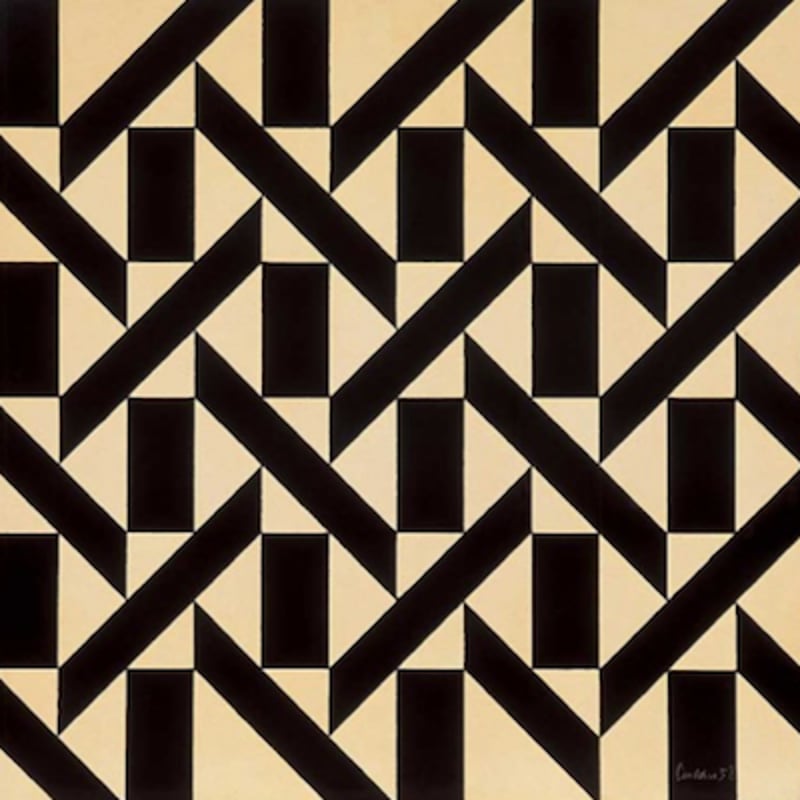
Grupo Ruptura was an organization formed in Brazil by artists who sought to break away from traditional naturalist painting in favor of geometric abstract art. In the early 1950s, the group published the Ruptura Manifesto, advocating for new art for a new country. The manifesto emphasized a departure from the past and a commitment to innovation, aligning with the modernist vision of Brazil as a forward-looking nation.

A Biennial is an art exhibition held every two years, typically on a large scale with international participants. The first and most famous example is the Venice Biennale, established in 1895 and held in the Giardini, a public park in Venice. Over time, the event has grown to include thirty permanent pavilions, each representing different countries. Biennials have become significant events in the contemporary art world, offering a platform for artists to showcase their work to a global audience.

Metalcut was a relief printing technique used primarily in Europe from around 1450 to 1540. The technique involved using thin metal plates. One method involved cutting or hammering away parts of the plate that were not intended to print, while the other method used engraving to create white lines on a black background.
Can't find your Answer?
Thank you! Your question has been sent — we'll get back to you shortly.
