
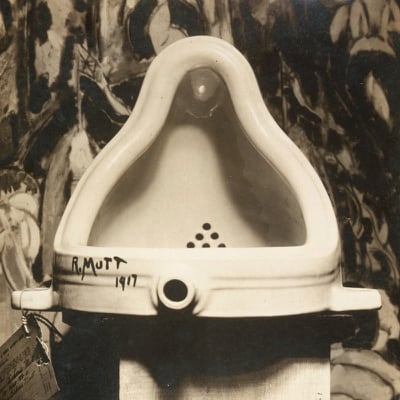
What is Found Object?
- Show All
- Established
- Discoveries
- Show All
Artworks Related to Found Object

Joseph Beuys
Beuys for Lothar, 1973
Photography
Photograph
EUR 5,500

Mr. Brainwash
Cadillac King, 2019
Limited Edition Print
Serigraph
Currently Not Available
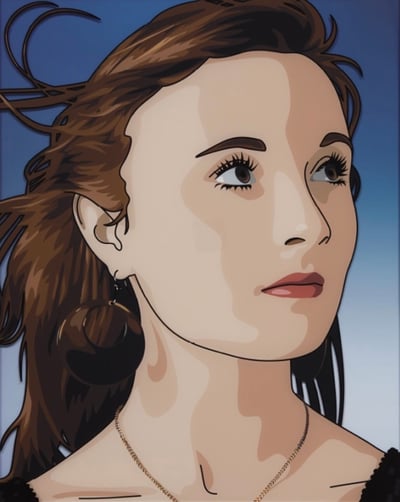
Julian Opie
Elena and Cressie get ready for the party 2, 2011
Limited Edition Print
Serigraph
USD 5,150
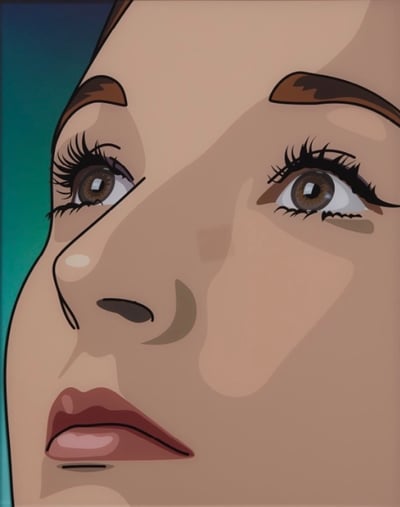
Julian Opie
Elena and Cressie get ready for the party 3, 2011
Limited Edition Print
Serigraph
USD 5,150
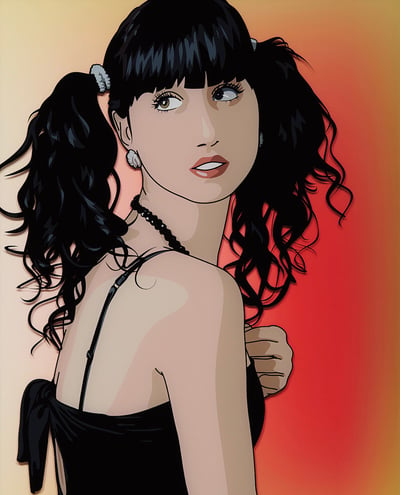
Julian Opie
Elena and Cressie get ready for the party 4, 2011
Limited Edition Print
Serigraph
USD 5,150
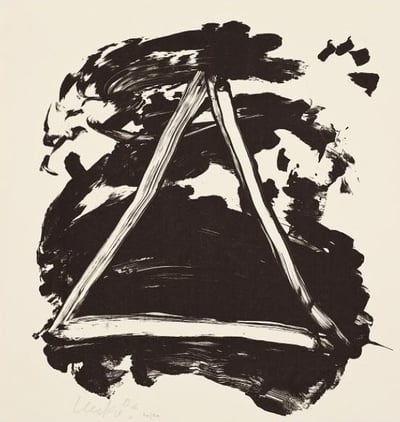
Gunther Uecker
Hiob Seite 24
Limited Edition Print
Silkscreen
Currently Not Available

Gunther Uecker
Hiob Seite 16
Limited Edition Print
Silkscreen
EUR 1,800
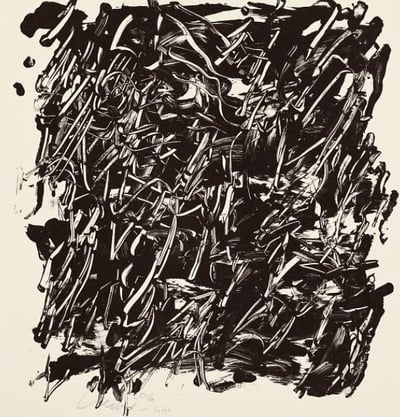
Gunther Uecker
Hiob Seite 25
Limited Edition Print
Silkscreen
Currently Not Available
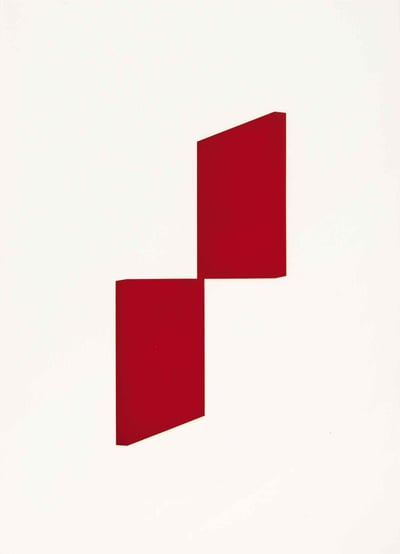
Robert Therrien
Untitled (Doors), 1996
Limited Edition Print
Aquatint
Currently Not Available

Julian Opie
Elena and Cressie get ready for the party 1, 2011
Limited Edition Print
Serigraph
USD 5,150
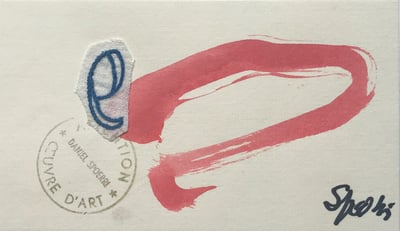
Daniel Spoerri
Collage 2 - E, 2017
Drawing / Watercolor
Collage
EUR 500
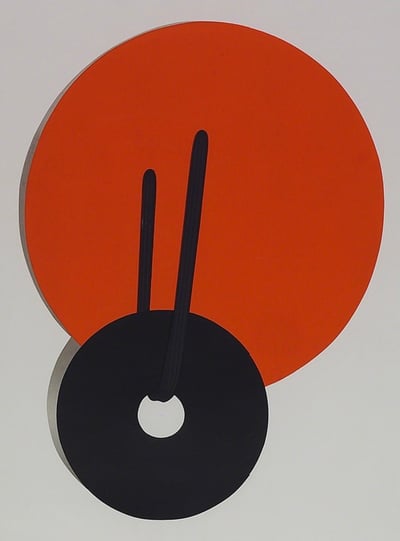
Lygia Pape
Untiltled, 1994
Limited Edition Print
Serigraph
Currently Not Available

Jim Dine
A heart at the Opera, 1983
Limited Edition Print
Lithograph
EUR 2,100

Marisa Merz
Untitled, 2018
Limited Edition Print
Lithograph
Currently Not Available

Piero Manzoni
Impronta del pollice sinistro, 1960
Limited Edition Print
Lithograph
Currently Not Available
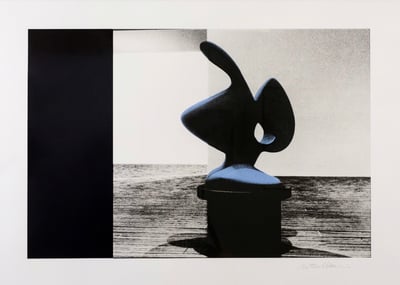
Bertrand Lavier
Walt Disney Productions 1947-2008, II, 2008
Limited Edition Print
Lithograph
Currently Not Available
Related Articles
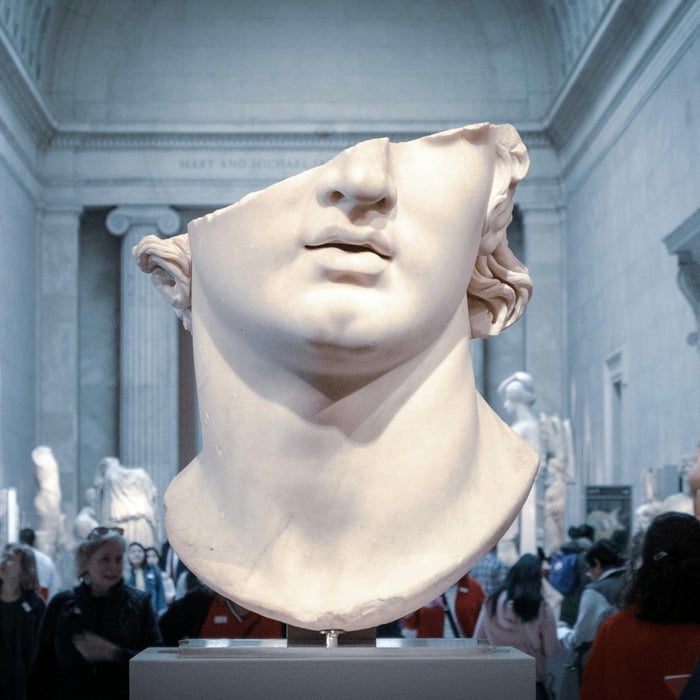
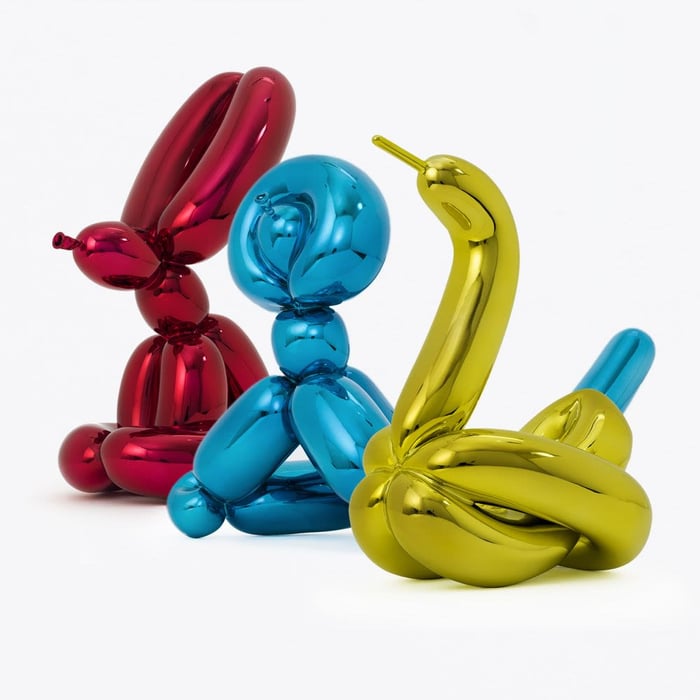

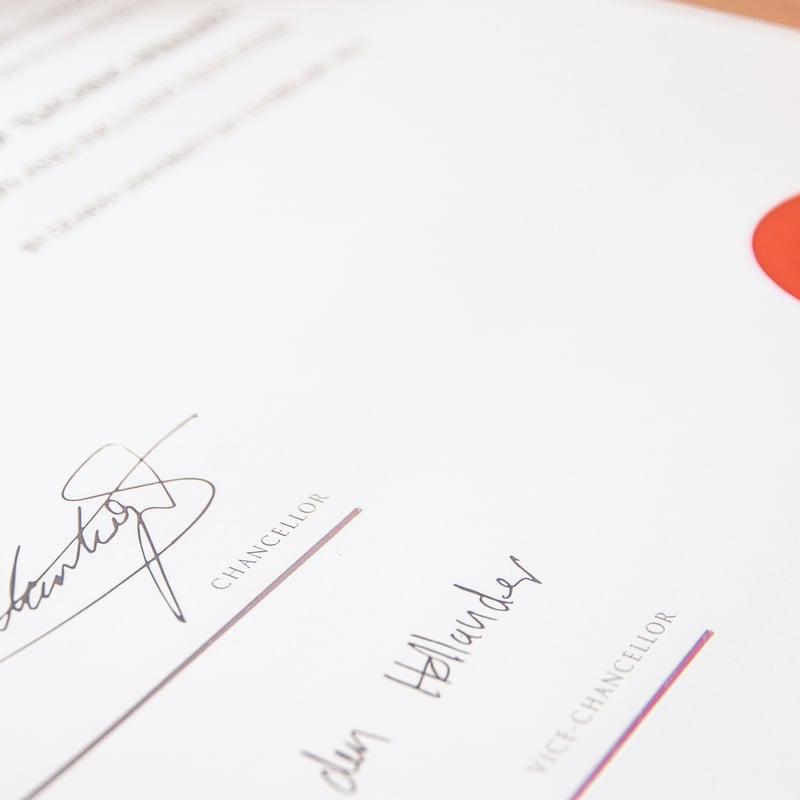
Authenticity refers to the qualities that define an original artwork as genuine, created by the artist under the original circumstances. A reproduction lacks authenticity because it was not made by the original artist and does not share the same context or creation process. The authenticity of an original artwork can be questioned when reproductions exist, which can diminish its value. Authenticity is often established through provenance, expert analysis, and documentation, ensuring the artwork's originality.

Figuration Libre is an art movement that is equivalent to the French Bad Painting and Neo-Expressionism in Europe and America. The term was coined by Ben Vautier and the Fluxus movement. In 1981, Robert Combas, François Boisrond, Hervé Di Rosa, and Rémi Blanchard formed the Figuration Libre group. The term can be interpreted as free style art, emphasizing spontaneity, freedom, and a rejection of traditional artistic conventions.

Hypermodernism is a cultural and artistic movement that emerged in the late 20th and early 21st centuries, characterized by an intense embrace of technology and a focus on speed, complexity, and the future. This movement often challenges traditional modernist values by emphasizing hyper-reality, where the boundaries between reality and virtuality blur. Hypermodernism is evident in architecture, design, and visual arts, where artists and creators use advanced digital tools and futuristic aesthetics to explore themes of globalization, identity, and the impact of technology on society.
Can't find your Answer?
Thank you! Your question has been sent — we'll get back to you shortly.
