
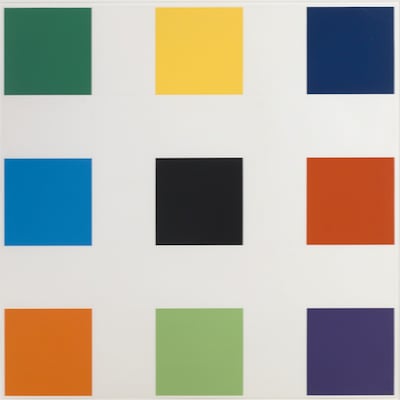
What is Hard Edge Art?
- Show All
- Established
- Discoveries
- Show All
Artworks Related to Hard Edge art
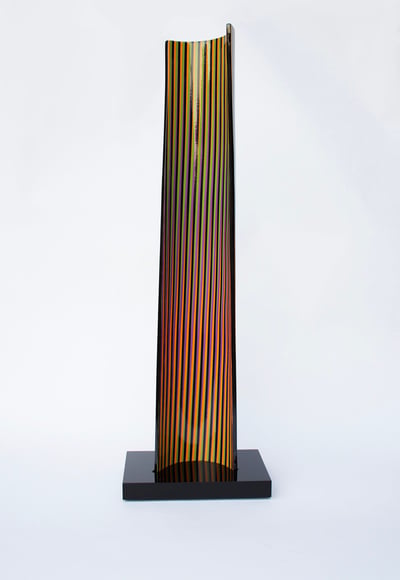
Carlos Cruz-Diez
Cromovela 11 (Big), 2009
Ceramics
Ceramic
EUR 12,000
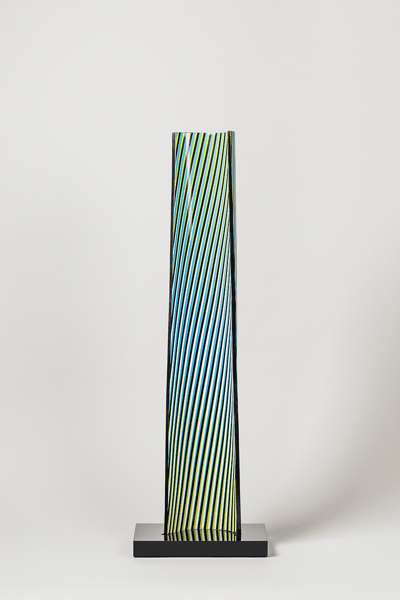
Carlos Cruz-Diez
Cromovela 21 (Big), 2018
Ceramics
Ceramic
EUR 12,000
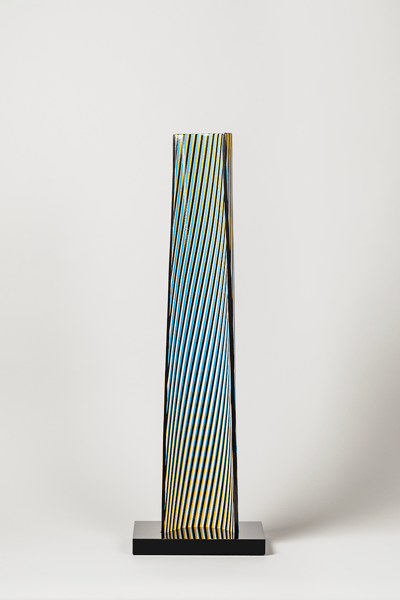
Carlos Cruz-Diez
Cromovela 22 (Big), 2018
Ceramics
Ceramic
EUR 12,000

Carlos Cruz-Diez
Cromovela Tryptich 18, 2018
Ceramics
Ceramic
EUR 18,000

Carlos Cruz-Diez
Cromovela Tryptich 20, 2018
Ceramics
Ceramic
EUR 18,000

Carlos Cruz-Diez
Cromovela Tryptich 13, 2009
Ceramics
Ceramic
EUR 18,000

Bridget Riley
One small step, 2009
Limited Edition Print
Screen-print
GBP 10,500

Gary Hume
9 Works: Sister Troop, 2009
Limited Edition Print
Silkscreen
Currently Not Available

Jean Tinguely
Roto Zaza No. 1, 1975
Limited Edition Print
Screen-print
Currently Not Available

Robert Indiana
Susan B. Anthony - Mother of us all portfolio, 1977
Limited Edition Print
Lithograph
USD 1,350

Robert Indiana
Lilian Russell - Mother of us all portfolio, 1977
Limited Edition Print
Lithograph
USD 1,350
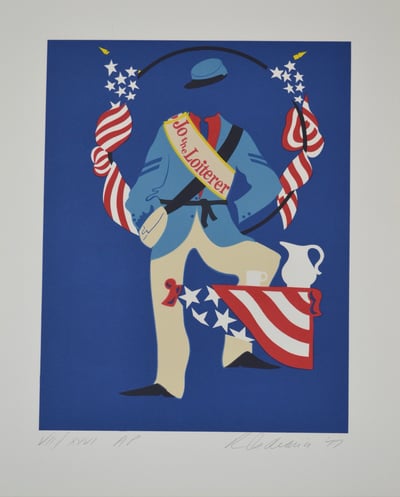
Robert Indiana
Jo the Loiterer - Mother of us all portfolio, 1977
Limited Edition Print
Lithograph
USD 1,350

Robert Indiana
Henrietta M. - Mother of us all portfolio, 1977
Limited Edition Print
Lithograph
USD 1,350

Robert Indiana
Gertrude Stein - Mother of us all portfolio, 1977
Limited Edition Print
Lithograph
USD 1,350

Robert Indiana
Constance Fletcher - Mother of us all portfolio , 1977
Limited Edition Print
Lithograph
USD 1,350

Robert Indiana
Angel More - Mother of us all portfolio , 1977
Limited Edition Print
Lithograph
USD 1,350
Related Articles

Viennese Actionism was a short-lived but intense art movement in the 20th century, emerging as part of the broader action art efforts of the 1960s. Known for its violent and provocative performances, the movement sought to break traditional art boundaries. Key figures in this movement included Arnulf Rainer and Hermann Nitsch.
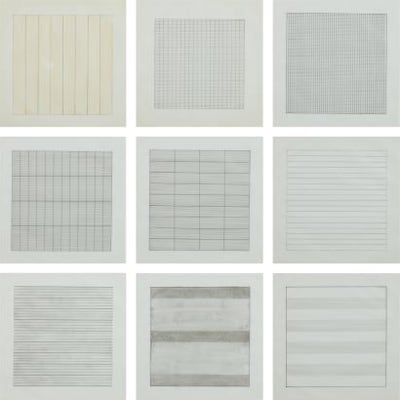
A portfolio is a collection of artworks or images assembled in a folder or digital format for storage or display. Artists often compile portfolios to showcase their work, either thematically related or varied, to present to potential clients, galleries, or institutions. Portfolios are essential tools for artists to demonstrate their skills and artistic development.

Site-Specific Art is a form of artwork created to exist in a particular location, with the artist considering the site as an integral part of the creative process. Robert Irwin was a key figure in promoting this art form in California. Site-Specific Art emerged as a reaction against modernist objects, which were often portable, commodified, and confined to museum spaces. In contrast, Site-Specific Art is inherently tied to its location, challenging the traditional notions of art as a transportable and marketable commodity.
Can't find your Answer?
Thank you! Your question has been sent — we'll get back to you shortly.
