
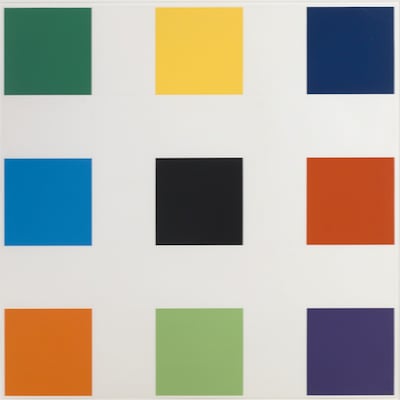
What is Hard Edge Art?
- Show All
- Established
- Discoveries
- Show All
Artworks Related to Hard Edge art

Michael Craig-Martin
The Catalan Suite II - iPhone, 2013
Limited Edition Print
Etching
EUR 750
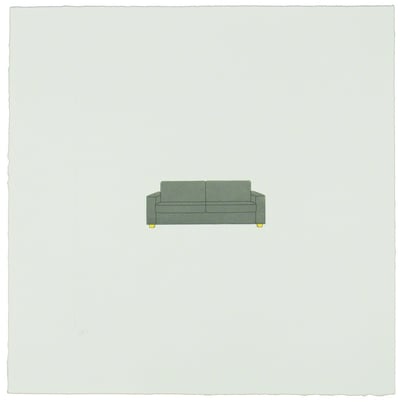
Michael Craig-Martin
The Catalan Suite II - Sofa, 2013
Limited Edition Print
Etching
EUR 750
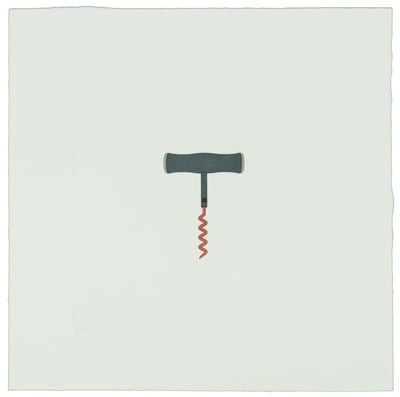
Michael Craig-Martin
The Catalan Suite II - Corkscrew, 2013
Limited Edition Print
Etching
EUR 750
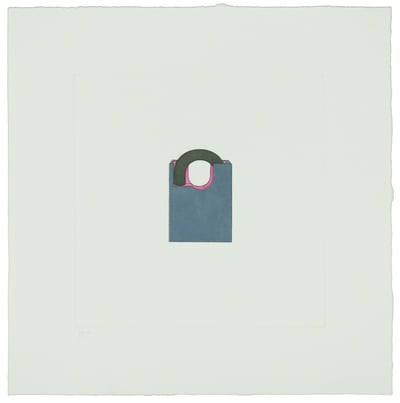
Michael Craig-Martin
The Catalan Suite II - Padlock, 2013
Limited Edition Print
Etching
EUR 750
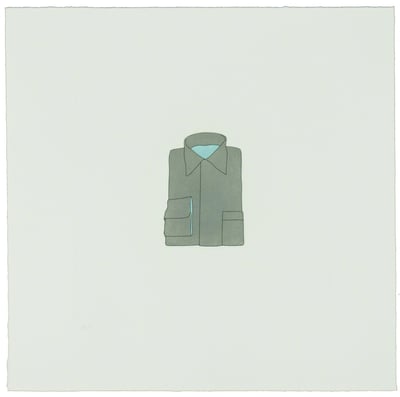
Michael Craig-Martin
The Catalan Suite II - Shirt, 2013
Limited Edition Print
Etching
EUR 750
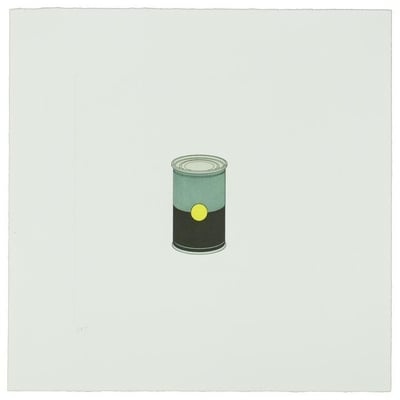
Michael Craig-Martin
The Catalan Suite II - Soup Can, 2013
Limited Edition Print
Etching
Currently Not Available

Michael Craig-Martin
The Catalan Suite I - iPhone, 2013
Limited Edition Print
Etching
EUR 750
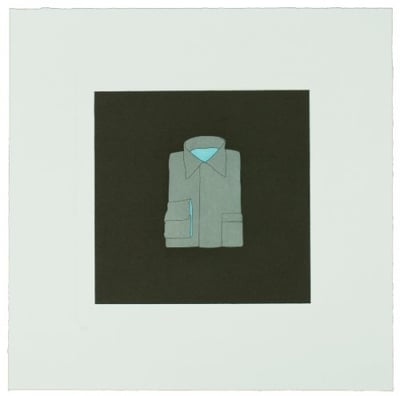
Michael Craig-Martin
The Catalan Suite I - Shirt, 2013
Limited Edition Print
Etching
EUR 750
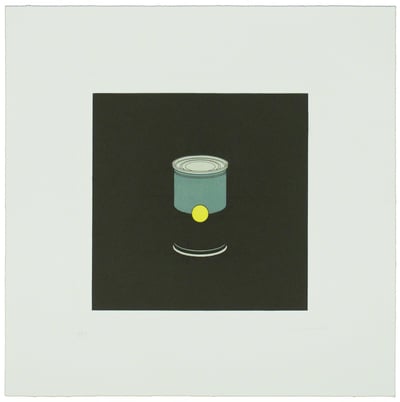
Michael Craig-Martin
The Catalan Suite I - Soup Can, 2013
Limited Edition Print
Etching
EUR 750
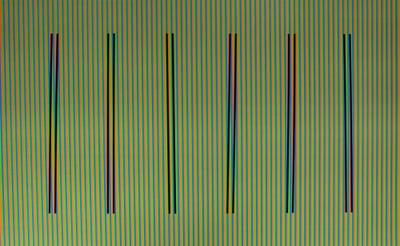
Carlos Cruz-Diez
Couleur à l'Espace Olot, 2014
Limited Edition Print
Lithograph
Currently Not Available

Antonio Asis
Vibration Carré Noir et Bleu, 2012
Sculpture / Object
Mixed Media
EUR 3,000

Antonio Asis
vibration grand cercle, 2010
Sculpture / Object
Mixed Media
EUR 3,000

Antonio Asis
vibration bandes bleus et rouges, 2010
Sculpture / Object
Mixed Media
EUR 3,000
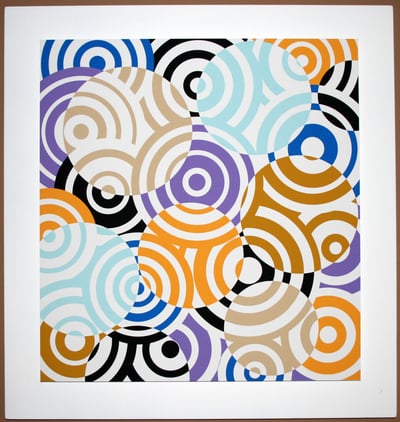
Antonio Asis
interferences cercles de couleurs, 2010
Limited Edition Print
Mixed Media
EUR 2,200
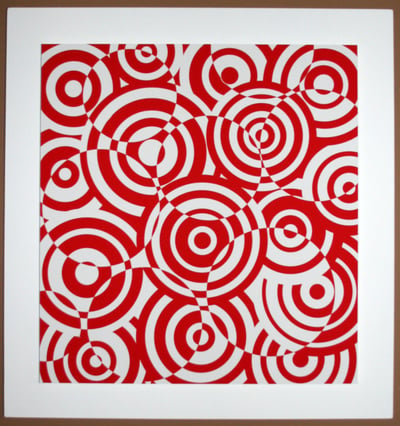
Antonio Asis
interferences cercles rouge et blanc, 2010
Limited Edition Print
Mixed Media
EUR 2,200
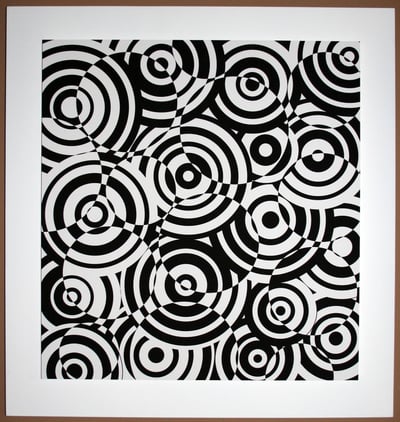
Antonio Asis
interferences cercles noir et blanc, 2010
Limited Edition Print
Mixed Media
EUR 2,200
Related Articles
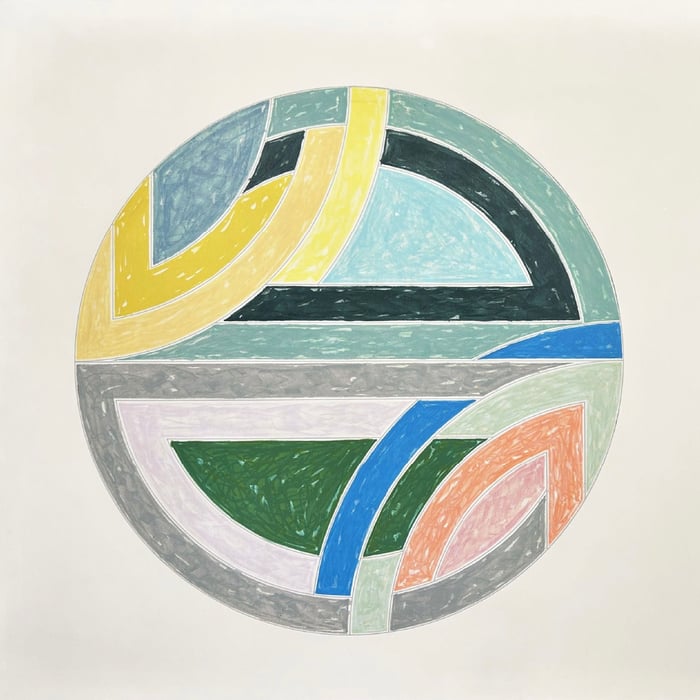
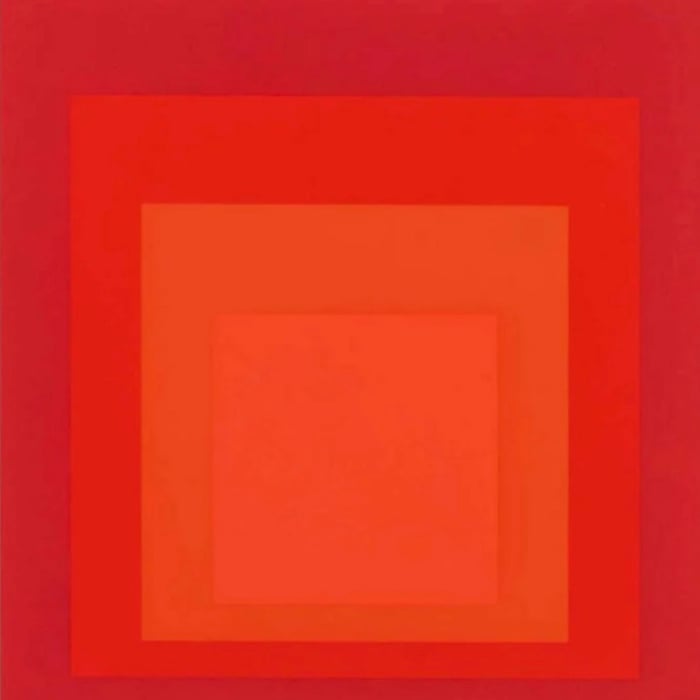
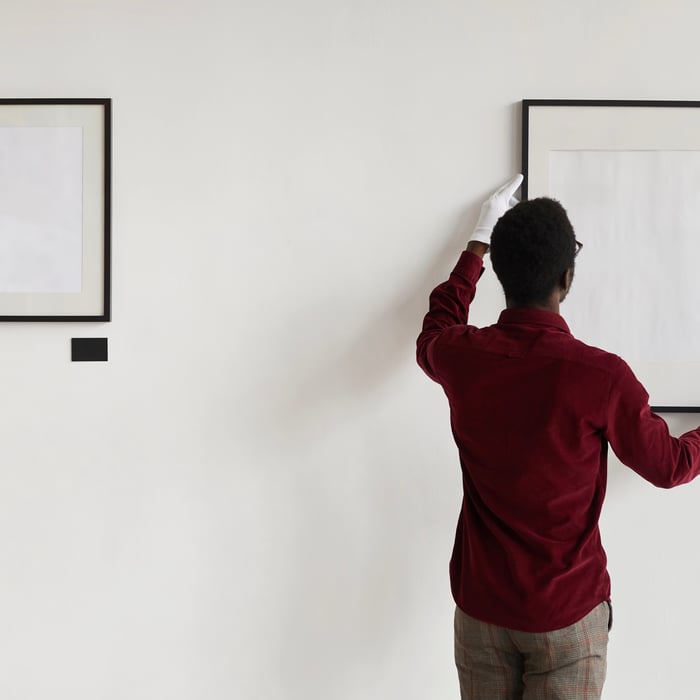

A curator is a professional responsible for managing and overseeing a collection of art pieces or artifacts. Employed by a gallery or museum, curators use their expertise to acquire, develop, display, and care for the collection. They also organize exhibitions and ensure that the collection is accessible to the public.
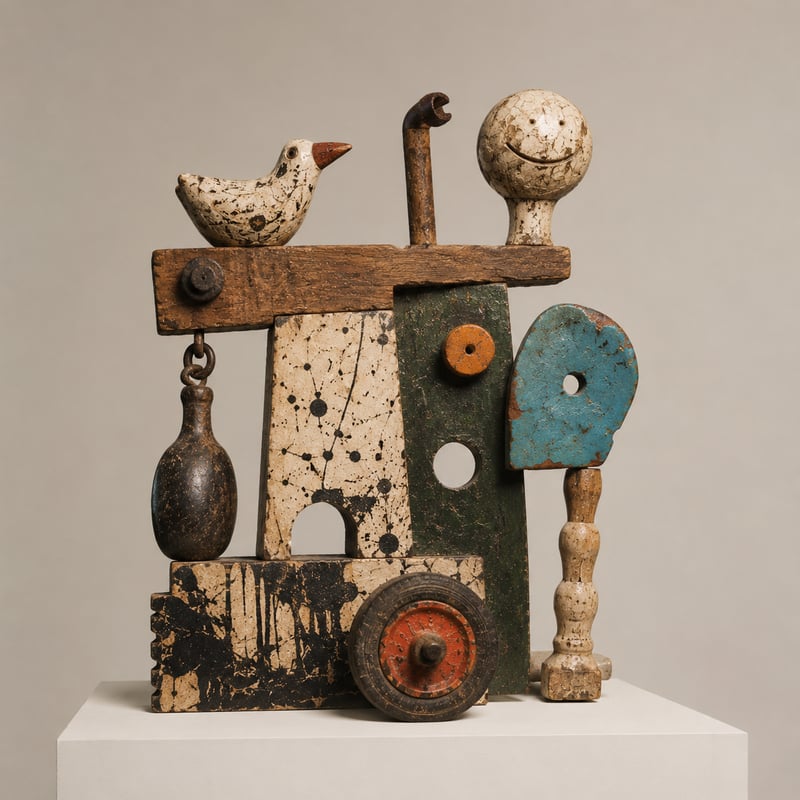
In the 1960s, Funk Art emerged as a reactive movement against Abstract Expressionism. It was widely known as an anti-establishment movement, with the name derived from the jazz term funky. This term carried both positive and negative connotations: in the jazz world, it described passion, quirkiness, and sensuality, but it could also refer to a foul odor. Funk Art was particularly popular in the California Bay Area. While the artists of the Funk Art era shared similar attitudes and styles, they did not see themselves as part of a formal group or movement.

Queer Aesthetics refers to an art movement that emerged in the 1980s, focusing on themes of homosexuality, lesbianism, and broader issues of identity and gender. This movement gained momentum in the context of the AIDS crisis and the feminist movement, challenging traditional representations of sexuality and gender. Queer Aesthetics often explores the fluidity of gender and identity, as seen in the works of artists like Nan Goldin, who is known for her photography of individuals with ambiguous or non-conforming gender presentations.
Can't find your Answer?
Thank you! Your question has been sent — we'll get back to you shortly.
