
What is minimalism?
- Show All
- Established
- Discoveries
- Show All
Artworks Related to Minimalism

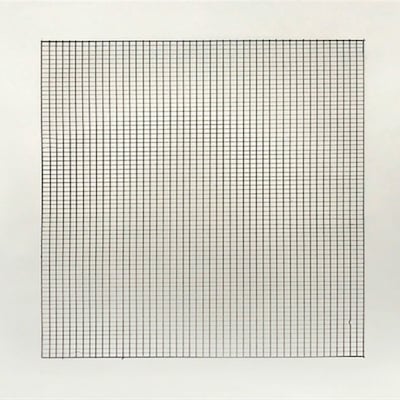
Carmen Herrera
Rojo y Negro (Red and Black), 1993
Limited Edition Print
Screen-print
GBP 5,400
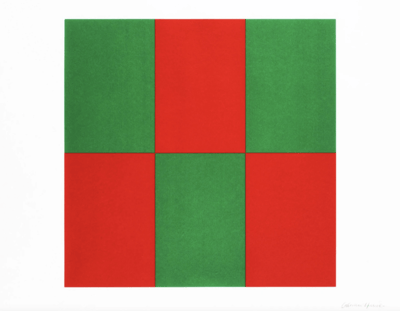
Carmen Herrera
Verde y Rojo, 2019
Limited Edition Print
Screen-print
Inquire For Price

Carmen Herrera
Untitled NRW, 2017
Limited Edition Print
Lithograph
GBP 8,300

Carmen Herrera
The Way, 2017
Limited Edition Print
Lithograph
GBP 9,900

Jasper Johns
Knee, 1974
Limited Edition Print
Lithograph
USD 7,350

Regine Schumann
Color mirror turquoise Gent, 2023
Sculpture / Object
Acrylic sculpture
EUR 4,500

Robert Mangold
Multiple Panel Paintings, suite, 1992
Limited Edition Print
Screen-print
USD 13,200
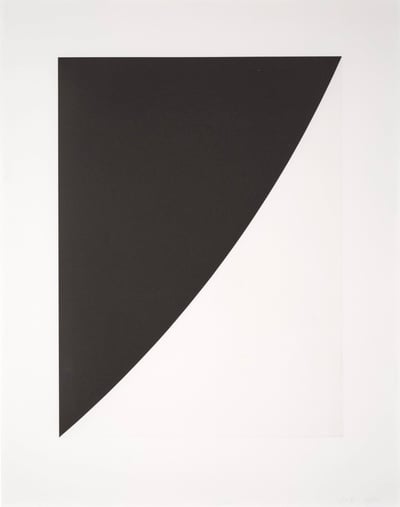
Ellsworth Kelly
Black Variation I, 1973-75
Limited Edition Print
Lithograph
USD 22,000 - 27,000

Josef Albers
Homage to the Square, 1970
Limited Edition Print
Screen-print
Currently Not Available
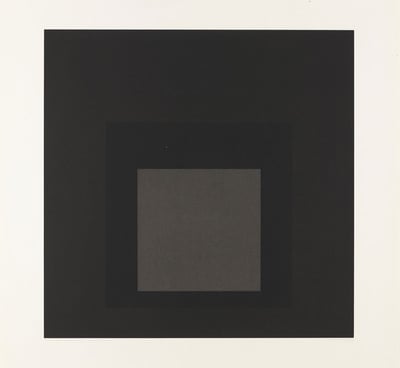
Josef Albers
Midnight + Noon I, 1964
Limited Edition Print
Lithograph
Currently Not Available

Josef Albers
Variants II, from Ten Variants, 1966
Limited Edition Print
Screen-print
USD 5,400

Josef Albers
Variants I, from Ten Variants, 1966
Limited Edition Print
Screen-print
USD 5,400

Josef Albers
Variants IV, from Ten Variants, 1966
Limited Edition Print
Screen-print
USD 5,400

Peter Halley
Untitled (from the BAM III Portfolio), 1991
Limited Edition Print
Lithograph
USD 3,100

Jasper Johns
Cross Hatch, 1977
Limited Edition Print
Screen-print
Currently Not Available
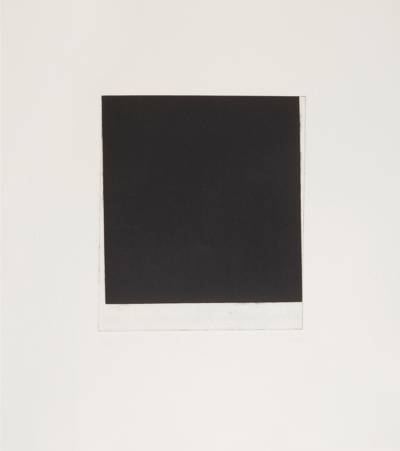
Ellsworth Kelly
Wall, 1976-1979
Limited Edition Print
Etching and Aquatint
USD 6,790
Related Articles

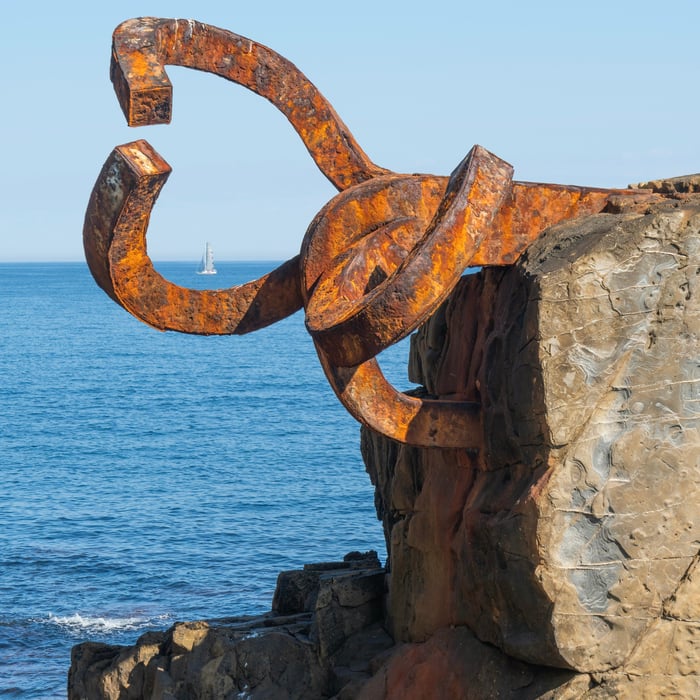

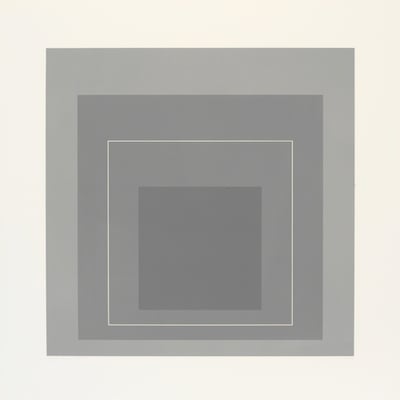
Concrete Art is an art movement founded by the Dutch artist Theo van Doesburg in the 1930s. The movement emphasizes pure abstraction, focusing on geometric shapes and colors without any reference to the natural world or symbolic meaning. Unlike other forms of abstract art, Concrete Art is entirely non-representational and is based on mathematical principles and precise execution. It aims to create universal, timeless works by using simple, clear forms that emphasize objectivity and clarity.
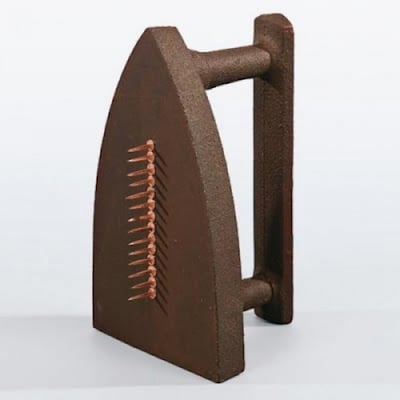
Readymade is the term coined by French artist Marcel Duchamp to describe artworks created from manufactured objects. Duchamp selected ordinary, functional items that he felt had visual indifference, turning them into art simply by choosing and presenting them in a new context. This concept challenged traditional notions of art and continues to influence artists who adopt similar approaches today.
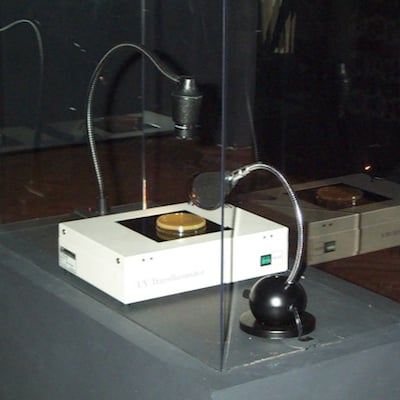
New Media Art is a genre that includes all artworks created using new technologies, such as computer graphics, digital art, virtual art, internet art, computer animation, video games, 3D printing, and robotics. This genre often explores themes related to mass media, telecommunications, and digital electronics. The methods for presenting New Media Art range from installations and performances to virtual and conceptual art
Can't find your Answer?
Thank you! Your question has been sent — we'll get back to you shortly.
