
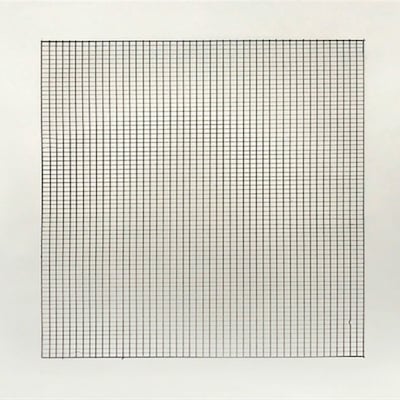
What is minimalism?
- Show All
- Established
- Discoveries
- Show All
Artworks Related to Minimalism
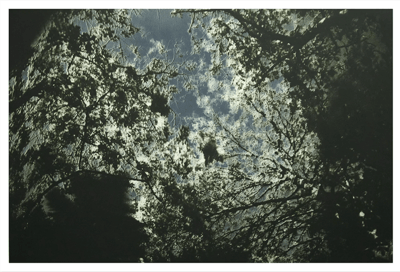
James Turrell
Aqua Oscura (Summer), 2015
Limited Edition Print
Etching
GBP 7,800 - 10,000
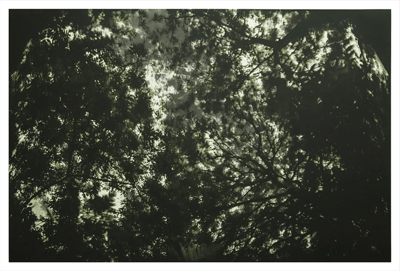
James Turrell
Aqua Oscura (Autumn), 2015
Limited Edition Print
Etching
GBP 7,800 - 10,000
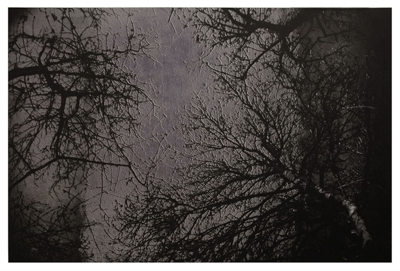
James Turrell
Aqua Oscura (Spring), 2015
Limited Edition Print
Etching
GBP 7,800 - 10,000
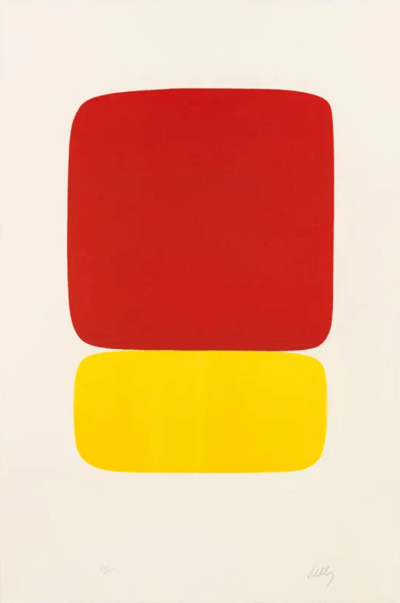
Ellsworth Kelly
Red Over Yellow, 1964-1965
Limited Edition Print
Lithograph
Inquire For Price
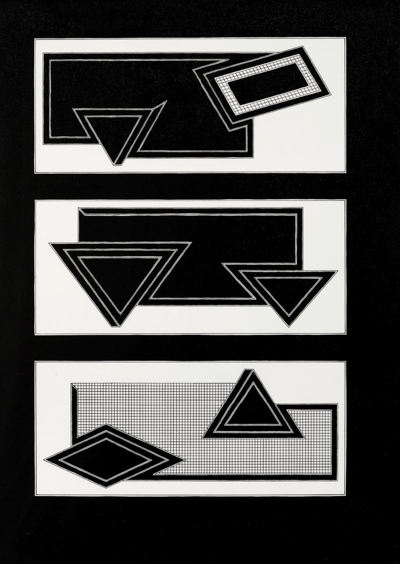
Frank Stella
Black Stack, 1970
Limited Edition Print
Lithograph
Inquire For Price

Bernard Frize
Suite à onze, 2009
Limited Edition Print
Drypoint
EUR 2,000
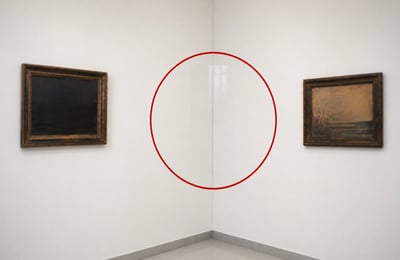
Ann Veronica Janssens
Untitled(Tentoonstelling tussenin / in-between), 1998
Sculpture / Object
Installation
EUR 1,750
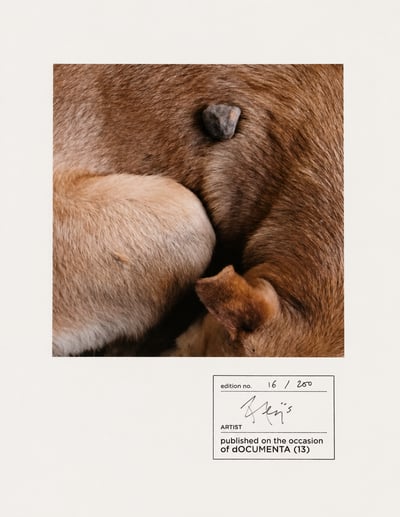
Francis Alys
Untitled (documenta 13), 2012
Photography
Photograph
EUR 590
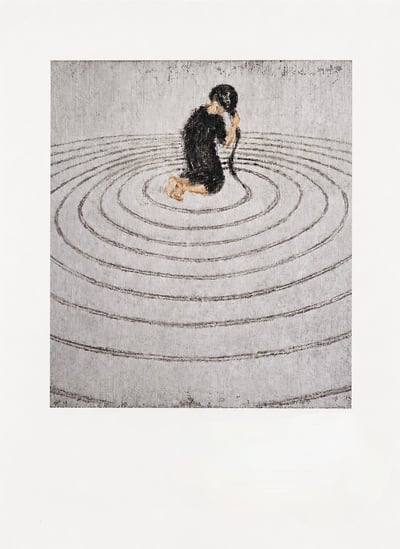
Francis Alys
Untitled (Salam Tristesse), 2018/2025
Limited Edition Print
Offset Print
EUR 860

Gunther Forg
Untitled, 1988
Drawing / Watercolor
Charcoal
Inquire For Price
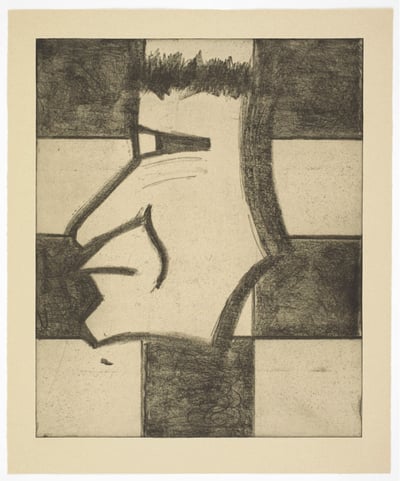
Joe Bradley
Untitled, 2018
Limited Edition Print
Etching
GBP 680
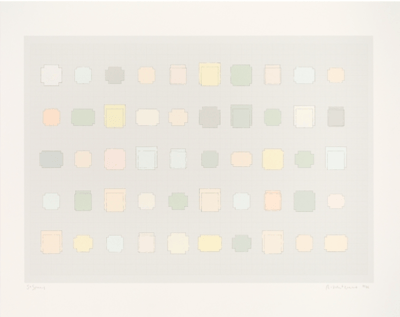
Rachel Whiteread
50 Spaces, 2021
Limited Edition Print
Screen-print
GBP 5,000 - 6,500

Frank Stella
Untitled (study for Sanbornville, from Eccentric Polygons), 1970
Drawing / Watercolor
Mixed Media
Inquire For Price
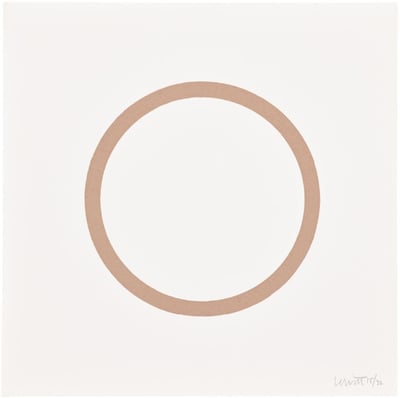
Sol LeWitt
Plate 1 (from Five Geometric Figures in Five Colors), 1986
Limited Edition Print
Screen-print
USD 1,200

Sol LeWitt
Plate 7 (from Five Geometric Figures in Five Colors), 1986
Limited Edition Print
Screen-print
USD 1,200

Sol LeWitt
Plate 7 (from Five Geometric Figures in Five Colors), 1986
Limited Edition Print
Screen-print
USD 1,200
Related Articles

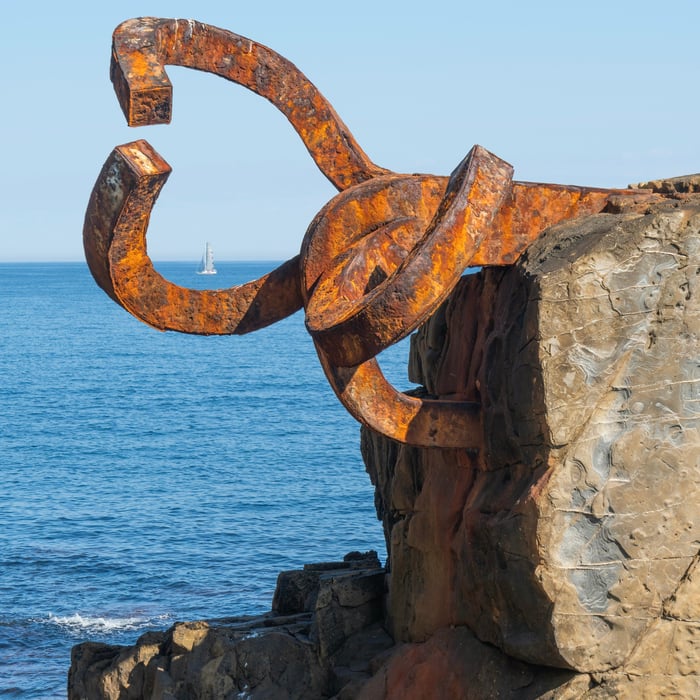

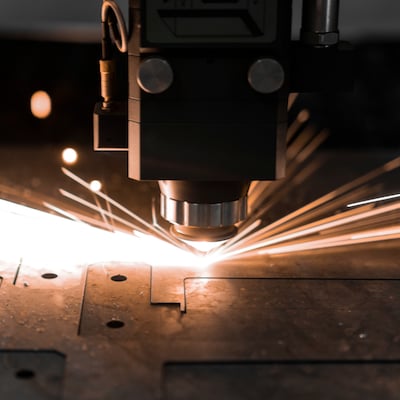
Metalcut was a relief printing technique used primarily in Europe from around 1450 to 1540. The technique involved using thin metal plates. One method involved cutting or hammering away parts of the plate that were not intended to print, while the other method used engraving to create white lines on a black background.
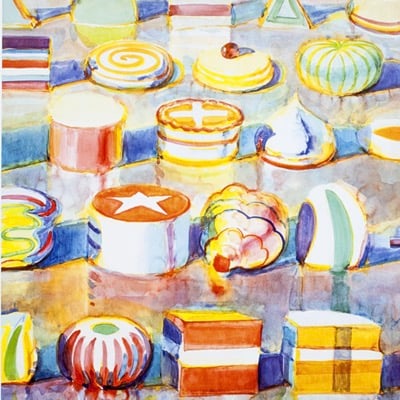
The Bay Area Figurative Movement, which also goes by the names Bay Area Figurative School, Bay Area Figurative Art, or Bay Area Figuration, came to existence in San-Francisco Bay Area. This was in the mid-20th century, when a group of artists from the area stopped working on the then popular Abstract Expressionism for a preference to figuration in painting. The movement lasted a total of two decades during the 1950's and 1960's.
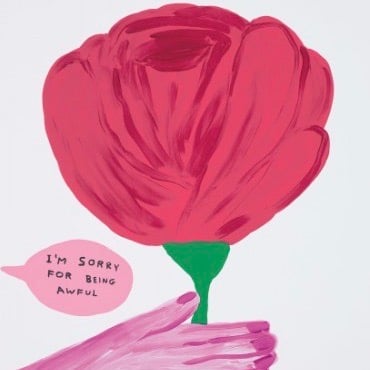
Naïve art describes a style of artwork that is simple and unsophisticated, often created by artists without formal training in an academy or art school. The style is characterized by a lack of advanced techniques, giving it a childlike appearance. Naïve art often features bright colors, simple shapes, and a straightforward approach to subject matter, reflecting the artist's untrained perspective.
Can't find your Answer?
Thank you! Your question has been sent — we'll get back to you shortly.
