
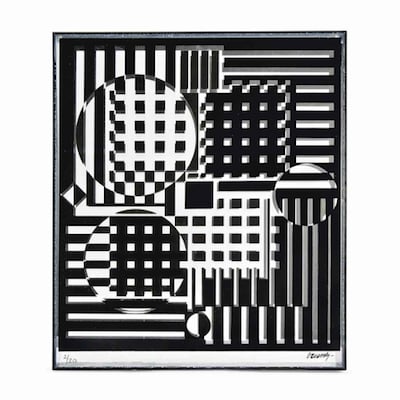
What is Op Art?
- Show All
- Established
- Discoveries
- Show All
Artworks Related to Op Art

Luis Tomasello
Lumiere noire unique I/X, 2011
Sculpture / Object
Mixed Media
EUR 3,500

Felipe Pantone
Substractive Variability series 2 – print 5, 2022
Limited Edition Print
Lithograph
EUR 1,500

Felipe Pantone
Substractive Variability series 2 – print 4, 2022
Limited Edition Print
Lithograph
EUR 1,500

Felipe Pantone
Substractive Variability series 2 – print 3, 2022
Limited Edition Print
Lithograph
EUR 1,500

Felipe Pantone
Substractive Variability series 2 – print 2, 2022
Limited Edition Print
Lithograph
EUR 1,500

Felipe Pantone
Substractive Variability series 2 – print 1, 2022
Limited Edition Print
Lithograph
EUR 1,500

Josef Albers
Variants-III (from the Ten Variants Series), 1966
Limited Edition Print
Screen-print
Inquire For Price

Josef Albers
Late, from Soft Edge-Hard Edge, 1965
Limited Edition Print
Screen-print
USD 10,000 - 15,000
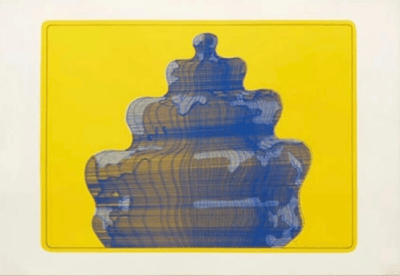
Dieter Roth
Torte in der Sonne (Fancy-Cake in the Sun), 1970
Limited Edition Print
Screen-print
GBP 4,200

Carmen Herrera
Untitled (Vertical Blue Band), 2018
Limited Edition Print
Intaglio
GBP 7,000 - 10,000
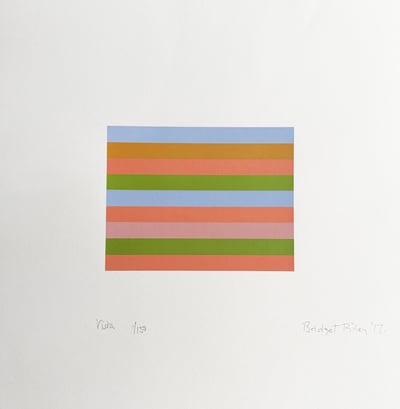
Bridget Riley
Vista, 2017
Limited Edition Print
Screen-print
Inquire For Price
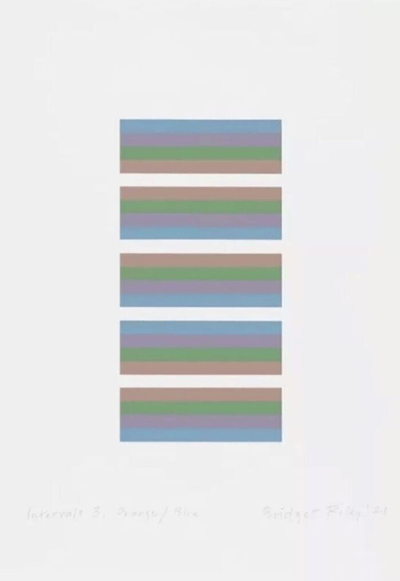
Bridget Riley
Intervals 3 - Orange / Blue, 2021
Limited Edition Print
Screen-print
Inquire For Price
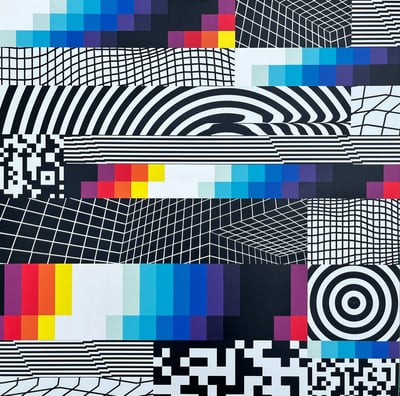
Felipe Pantone
Chromadynamica 26, 2017
Painting
Acrylic paint
EUR 12,000

Victor Vasarely
Felhoe (Benavides 1876), 1989
Sculpture / Object
Mixed Media
USD 3,750

Marcello Morandini
Sculptura 762, 2024
Sculpture / Object
Wood
EUR 1,200

Marcello Morandini
Sculptura 763, 2024
Sculpture / Object
Wood
EUR 1,200
Related Articles
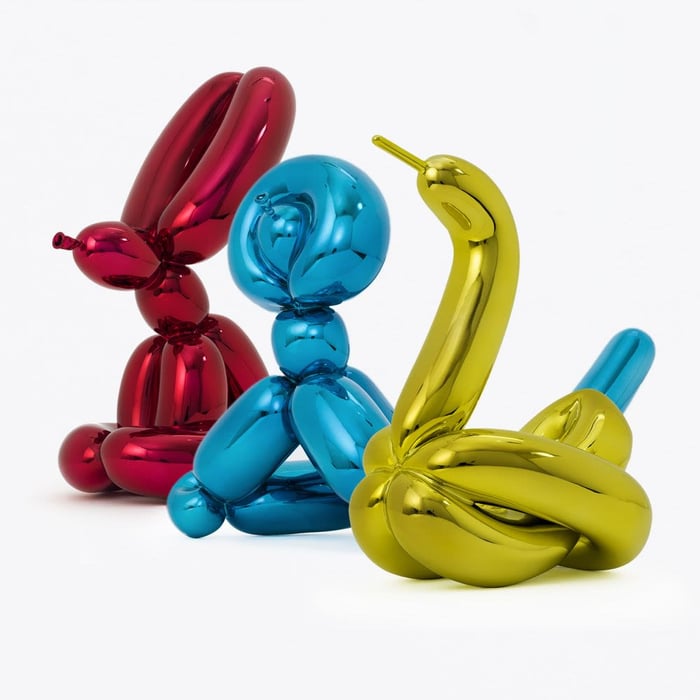
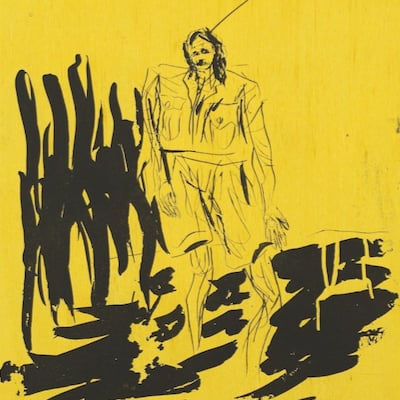
Neue Wilden is the term German artists used for Neo-Expressionism. In the 1970s and 80s, expressive painting re-emerged in Germany, with artists embracing intense colors and broad brushstrokes. The movement grew in opposition to minimal and conceptual art, favoring a return to raw, emotional expression through bold and dynamic painting techniques.
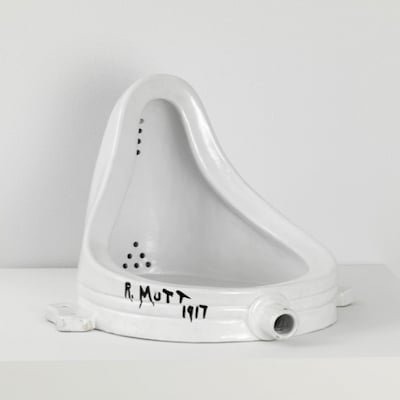
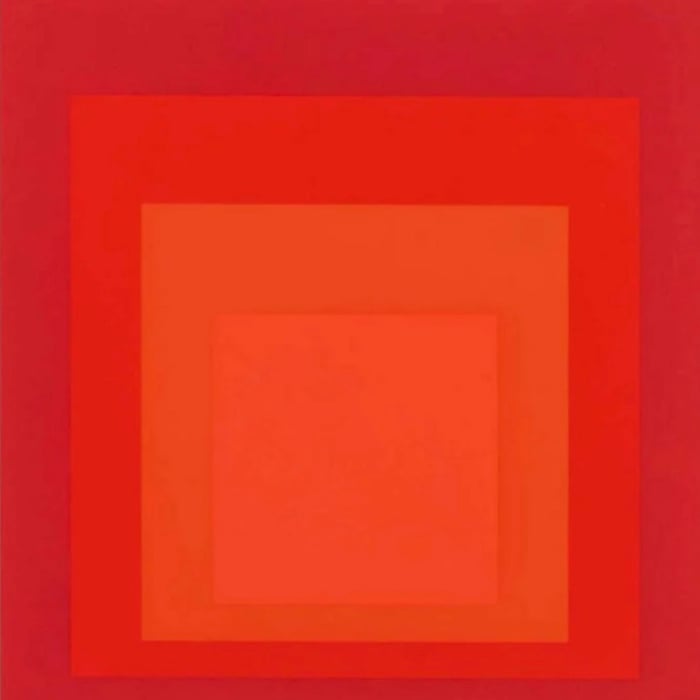
Anti-Art refers to artwork that challenges traditional definitions of art. The term is often attributed to artist Marcel Duchamp, who pioneered the use of readymades—everyday objects presented as art. These works defied conventional expectations that art should adhere to traditional or high art standards.

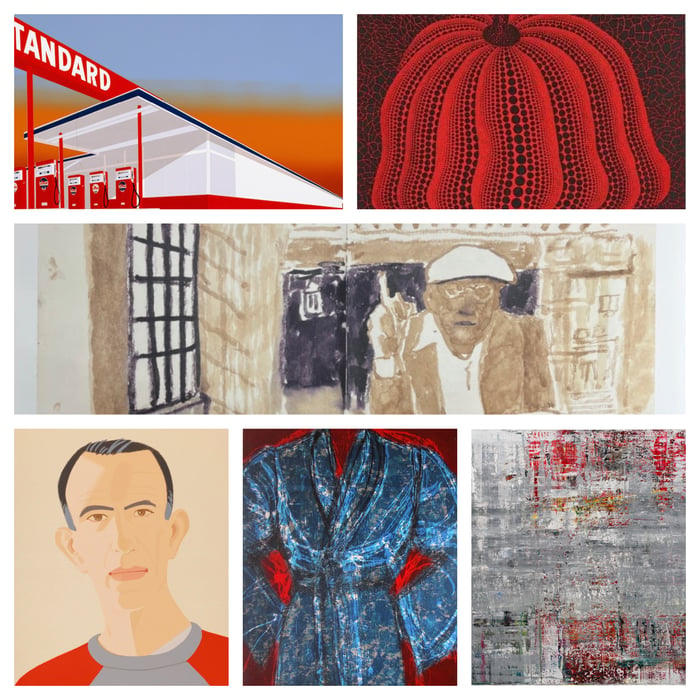
Resin can be derived from both natural sources, such as pine sap, and synthetic processes. Natural resin comes from tree sap, while synthetic resin is a type of dense, easily molded plastic. Resin is commonly used in sculpture, and it can also enhance the vibrancy of paint colors.
Can't find your Answer?
Thank you! Your question has been sent — we'll get back to you shortly.
