
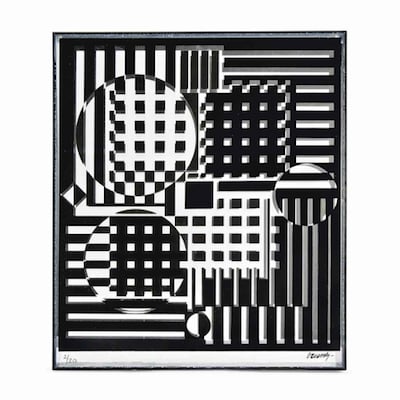
What is Op Art?
- Show All
- Established
- Discoveries
- Show All
Artworks Related to Op Art

Gunther Uecker
Graphein VII, Reise Kadmos, 2002
Limited Edition Print
Embossing
EUR 12,000

Gunther Uecker
Graphein VIII, Christen Ägypten, 2002
Limited Edition Print
Embossing
EUR 12,000

Gunther Uecker
Sarajewo 6, 2005
Limited Edition Print
Screen-print
EUR 1,280

Gunther Uecker
Ouroboros 05, 2018
Limited Edition Print
Mixed Media
EUR 10,000
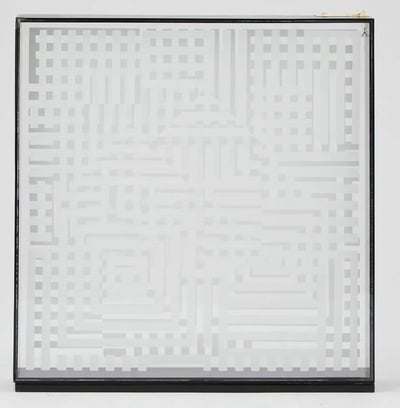
Victor Vasarely
Omega 25 Blanc, 1965
Sculpture / Object
Mixed Media
Inquire For Price
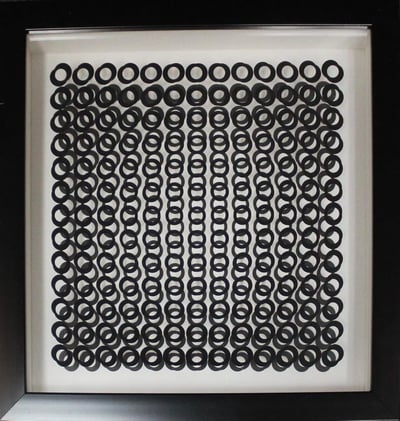
Victor Vasarely
Profound Works 7, 1973
Limited Edition Print
Serigraph
USD 500
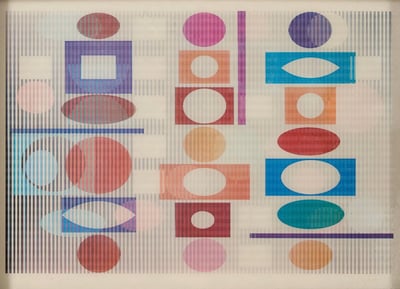
Yaacov Agam
Poly Meta
Limited Edition Print
Mixed Media
Inquire For Price
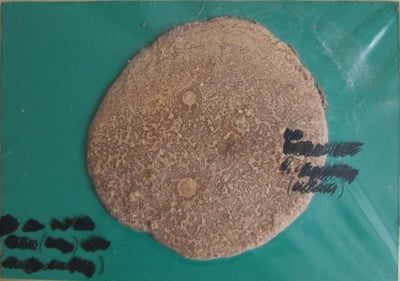
Dieter Roth
Self-portrait, 1969
Limited Edition Print
Mixed Media
EUR 3,000

Dieter Roth
Selbstbildnis als Loch, 1972
Limited Edition Print
Screen-print
EUR 3,100

Dieter Roth
Middle sunset
Limited Edition Print
Mixed Media
EUR 5,400

Victor Vasarely
Skier, 1983
Limited Edition Print
Screen-print
Currently Not Available

Julio Le Parc
Losange Virtuel sur mirroir, 2021
Sculpture / Object
Mixed Media
EUR 20,000
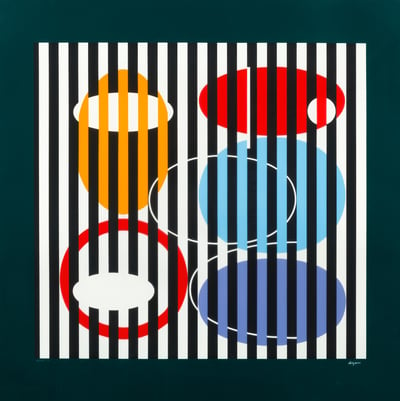
Yaacov Agam
End to end Suite, 1991
Limited Edition Print
Silkscreen
USD 1,025

Victor Vasarely
Sorbonne, 1973
Limited Edition Print
Silkscreen
USD 1,350
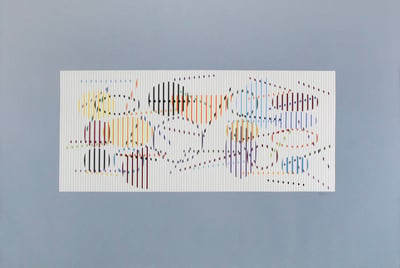
Yaacov Agam
Untitled (Composition), 1976
Limited Edition Print
Serigraph
USD 900

Victor Vasarely
The Juggler, 1977
Limited Edition Print
Serigraph
USD 1,150
Related Articles
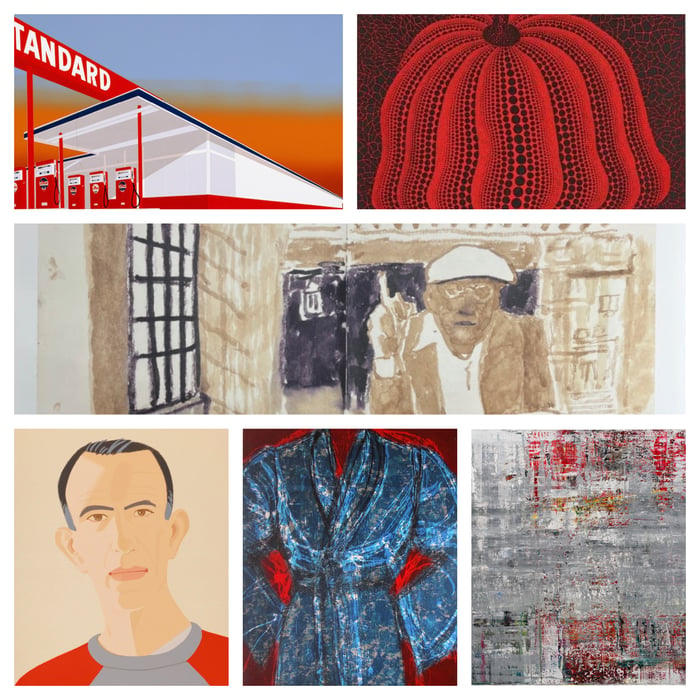
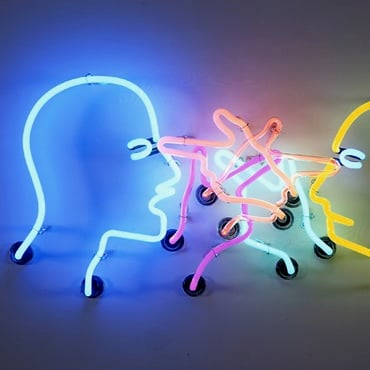
Process Art is an artistic movement and creative approach where the focus is on the act of creation rather than the final product. The term process in this context refers to the various stages of art-making, including gathering, sorting, associating, and organizing materials and actions. This movement emphasizes the artistic journey and the human expression involved in creating art, rather than the finished piece itself. Process Art is driven by inherent motivation, intentionality, and the rationale behind the actions, viewing the creative process as the true artwork.
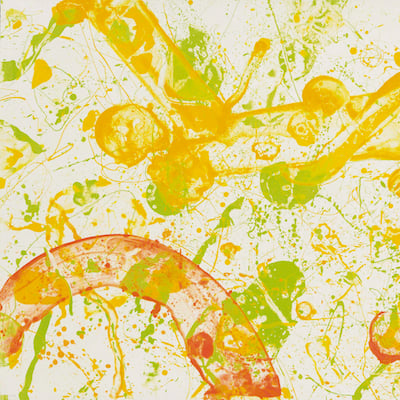
Tachisme is a French abstract painting style that gained popularity between 1940 and 1950, often seen as the European counterpart to Abstract Expressionism. However, there are stylistic differences between the two. Tachisme, which emerged from Art Informel, rejected geometric abstraction in favor of more intuitive and spontaneous expression. It was a reaction against the structured forms of Cubism and is closely related to Informalism. Tachisme emphasizes gestural brushwork, irregular forms, and a focus on the process of painting itself.
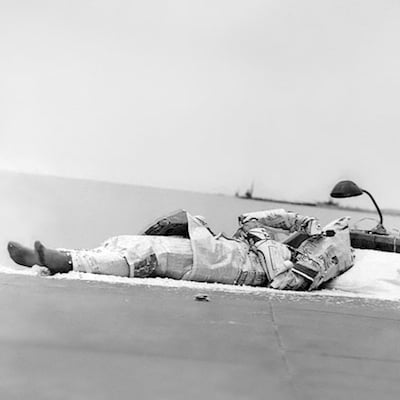
A Happening is a term used to describe artistic and theatrical events held by artists in the 1950s and 60s. These events were typically staged in gallery installations or planned environments and often involved audience participation, along with elements like lighting, sounds, and slide projections. Happenings were a precursor to performance art, which later included the active participation of the artists themselves.
Can't find your Answer?
Thank you! Your question has been sent — we'll get back to you shortly.
