
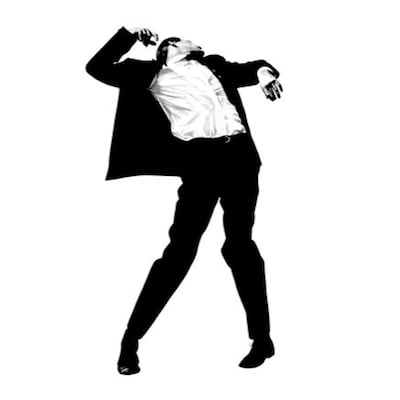
What is Performance Art?
- Show All
- Established
- Discoveries
- Show All
Artworks Related to Performance art

Red Grooms
Ruckus Taxi (Mini), 2004
Limited Edition Print
Lithograph
USD 1,450

Jim Dine
ABC, 1970
Limited Edition Print
Lithograph
Inquire For Price

Robert Indiana
The American dream, 1997
Limited Edition Print
Screen-print
USD 1,650

Joana Vasconcelos
Filament 2, 2014
Limited Edition Print
Archival Print
USD 1,875

Joana Vasconcelos
Filament 1, 2014
Limited Edition Print
Archival Print
USD 1,875

Joana Vasconcelos
Pandora 2, 2014
Limited Edition Print
Archival Print
USD 1,875

Joana Vasconcelos
Pandora 1, 2014
Limited Edition Print
Archival Print
USD 1,875
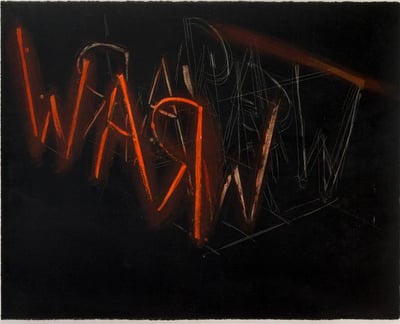
Bruce Nauman
Raw War, 1971
Limited Edition Print
Lithograph
Currently Not Available
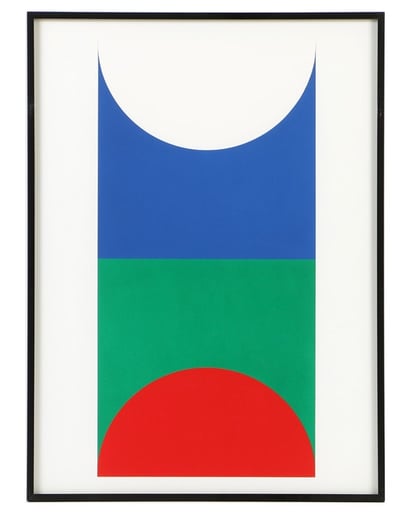
Matt Mullican
Untitled II, 1993
Limited Edition Print
Silkscreen
USD 1,875

Matt Mullican
Untitled I, 1993
Limited Edition Print
Silkscreen
USD 1,875

Rebecca Horn
Zenith of the Ocean II, 2007
Photography
C-Print
Currently Not Available

Hermann Nitsch
Ubermalte Bild - Lithographien, Domus Jani, 1991
Limited Edition Print
Lithograph
Currently Not Available

Jannis Kounellis
Composition , 2004
Limited Edition Print
Silkscreen
EUR 1,375

Otto Piene
Zyklop Gelb, 1984
Limited Edition Print
Carborundum
EUR 2,400

Matt Mullican
Subjects (10), 2018
Limited Edition Print
Lithograph
EUR 6,000

Otto Piene
Rastersonne, 2009
Ceramics
Mixed Media
Currently Not Available
Related Articles

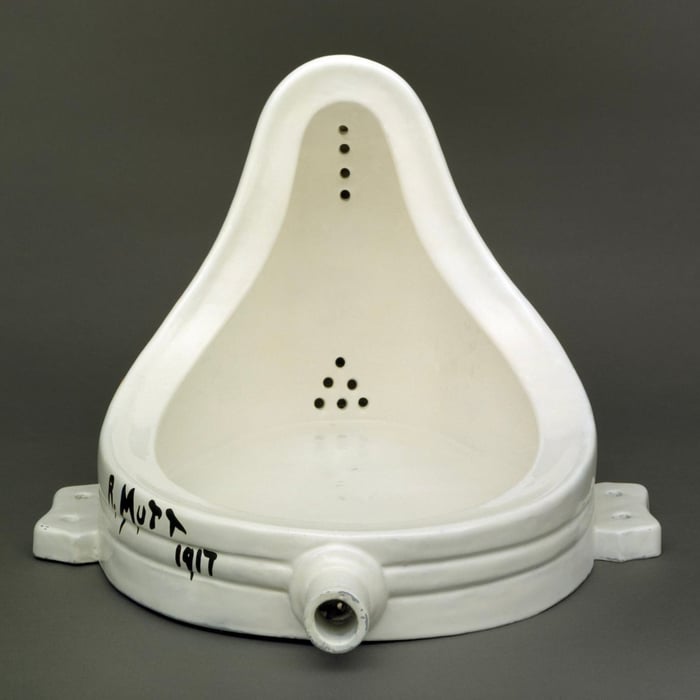

Plaster is a mixture of heat-treated powdered gypsum combined with water to create a workable material. It can be used to make solid sculptures, cast in molds, carved, modeled, or attached to other materials. Artists have used plaster for both working models and finished artworks for centuries due to its versatility.

A Biennial is an art exhibition held every two years, typically on a large scale with international participants. The first and most famous example is the Venice Biennale, established in 1895 and held in the Giardini, a public park in Venice. Over time, the event has grown to include thirty permanent pavilions, each representing different countries. Biennials have become significant events in the contemporary art world, offering a platform for artists to showcase their work to a global audience.

Embossing is a technique used to create raised designs or images on a surface, typically paper. Artists achieve this effect by altering the shape of the paper, often by pressing it from the reverse side using a template and a tool like a sanded dowel. The result is a design with multiple levels of depth, giving a three-dimensional appearance.
Can't find your Answer?
Thank you! Your question has been sent — we'll get back to you shortly.
