
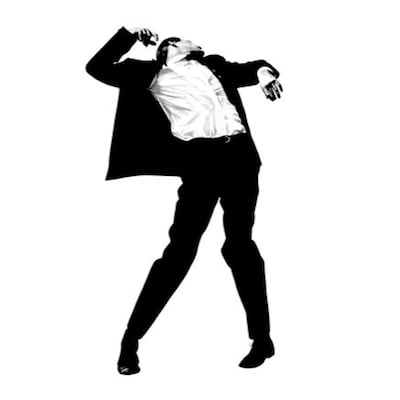
What is Performance Art?
- Show All
- Established
- Discoveries
- Show All
Artworks Related to Performance art
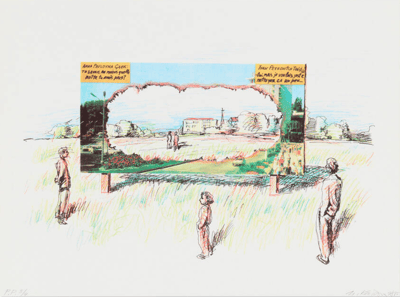
Ilja Kabakov
Untitled (From The Edge of Awareness), 1998
Limited Edition Print
Screen-print
USD 800

Jim Dine
Untitled (from the Dutch Hearts), 1970
Limited Edition Print
Collage
Inquire For Price

Jim Dine
Imogen I (from Complete Graphics), 1969
Limited Edition Print
Screen-print
USD 1,950

Jim Dine
Imogen II (from Complete Graphics), 1969
Limited Edition Print
Screen-print
USD 1,950

Jim Dine
Imogen III (from Complete Graphics), 1969
Limited Edition Print
Screen-print
USD 1,950
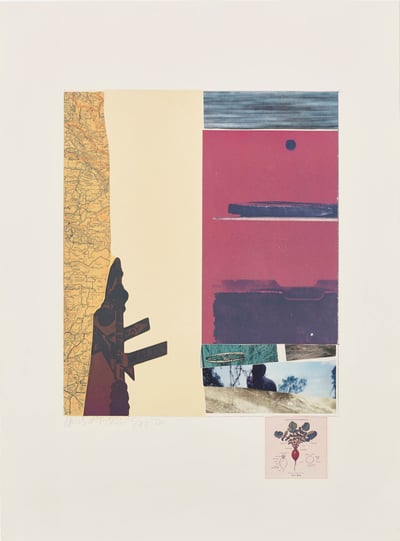
Robert Rauschenberg
XI (from Horsefeathers Thirteen), 1972
Limited Edition Print
Mixed Media
Inquire For Price

Red Grooms
City of Chicago exhibition poster, 1968
Limited Edition Print
Lithograph
Inquire For Price
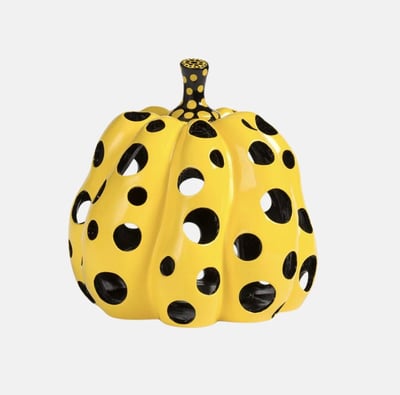
Yayoi Kusama
Pumpkin (NGV), 2025
Sculpture / Object
Mixed Media
GBP 12,000 - 15,000

Robert Rauschenberg
In Transit (Goddess Depot), 2001
Limited Edition Print
Lithograph
USD 6,600
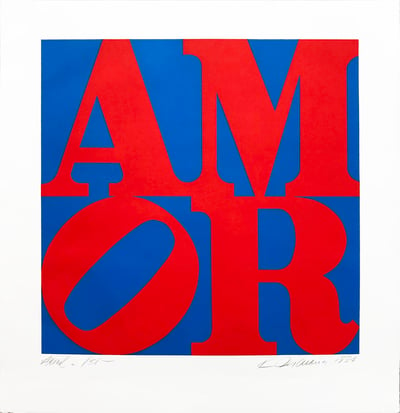
Robert Indiana
AMOR, 1994
Limited Edition Print
Etching and Aquatint
USD 21,000

Yoko Ono
John Lennon - Imagine, 2018
Limited Edition Print
Giclée printing
GBP 1,980

Robert Longo
Rippling Water, 2016
Limited Edition Print
Archival Print
EUR 10,000 - 12,000

Robert Longo
Horsehead Nebula, 2008
Limited Edition Print
Pigment print
EUR 14,000 - 17,000

Robert Longo
Head of Christ, 2018
Limited Edition Print
Archival Print
EUR 9,000 - 12,000

Robert Longo
Freud’s Desk and Chair, Study Room, 2004
Limited Edition Print
Pigment print
EUR 9,000 - 12,000

Robert Longo
Earth, 2017
Limited Edition Print
Archival Print
EUR 6,000 - 8,000
Related Articles
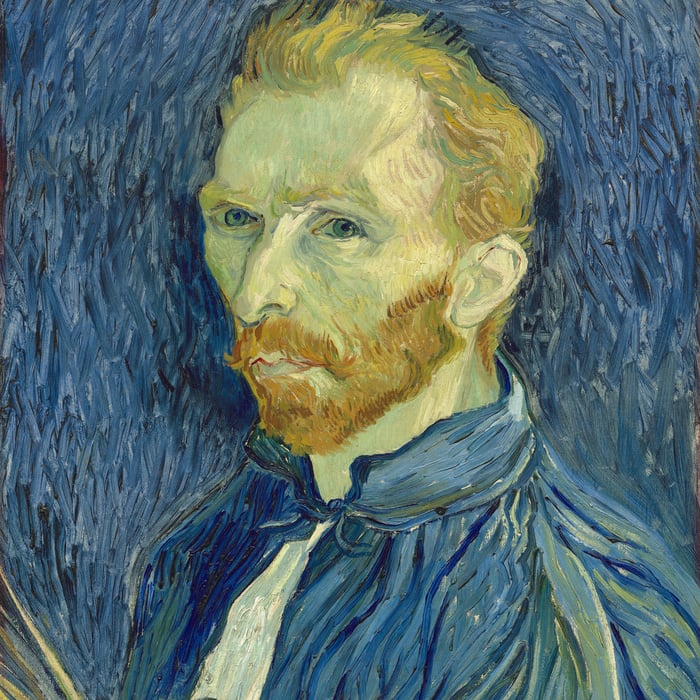

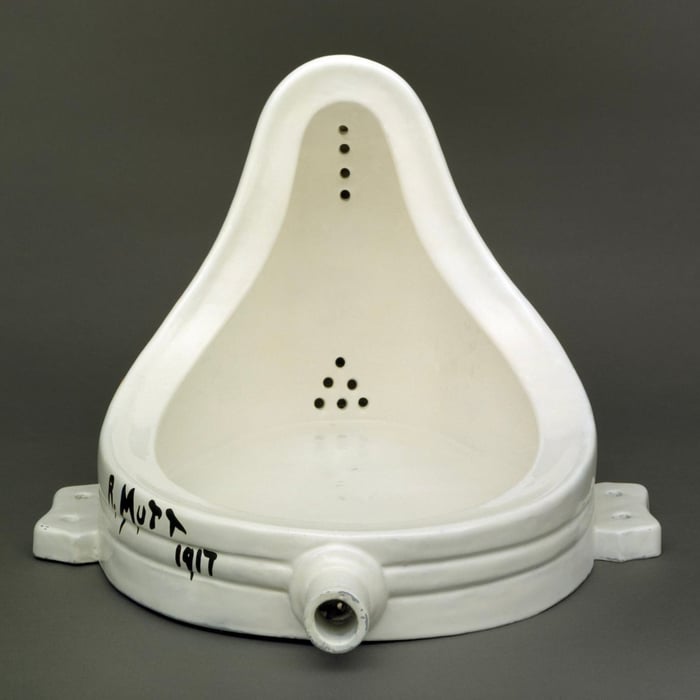

Multiples refer to a series of identical art objects produced in limited editions according to the artist's concept. These works are specifically created for sale and are often considered the most affordable and accessible form of contemporary art. What sets multiples apart is their lack of uniqueness, which is typically seen as essential in traditional artworks. Instead, they offer value and enjoyment while making contemporary art more widely available.
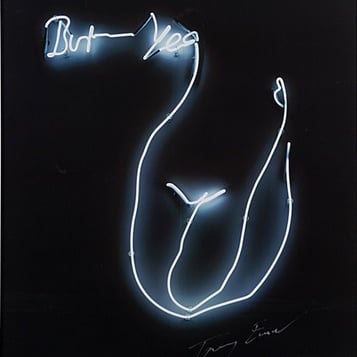
Feminist art refers to the art that emerged from the feminist art movement during the 1960s and 1970s. It developed with the intention of critiquing 20th-century gender ideals and challenging the traditional canon of art history. Feminist art seeks to create a dialogue between the artwork and the viewer through a feminist lens, often addressing issues of gender, identity, and social justic

A plate is a broad, primarily flat vessel used for serving food, but it can also serve ceremonial or decorative purposes. Plates are typically circular, though they can be any shape and made from various water-resistant materials. Most plates have raised edges, either by curving upward or featuring a wider lip. Vessels without a raised edge or with a more rounded profile are often considered bowls or dishes, while very large, plate-shaped vessels might also be classified as dishes.
Can't find your Answer?
Thank you! Your question has been sent — we'll get back to you shortly.
