
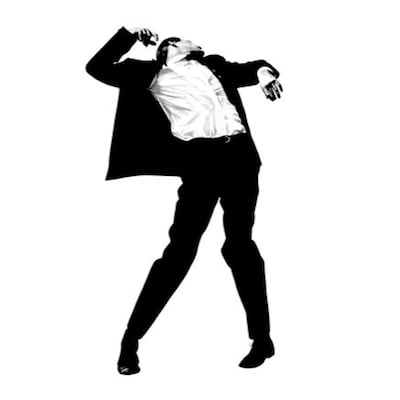
What is Performance Art?
- Show All
- Established
- Discoveries
- Show All
Artworks Related to Performance art
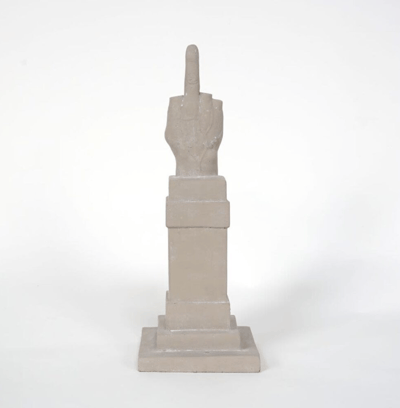
Maurizio Cattelan
L.O.V.E., 2015
Sculpture / Object
Mixed Media
GBP 3,500

Red Grooms
Van Gogh with Sunflowers, 1988
Limited Edition Print
Lithograph
USD 5,000 - 7,000
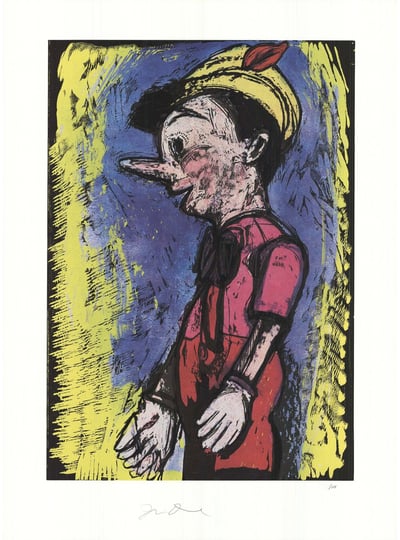
Jim Dine
Pinocchio (Lincoln Center), 2008
Limited Edition Print
Mixed Media
USD 5,000 - 8,000
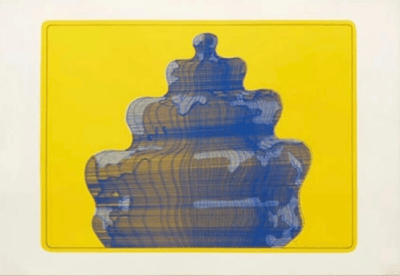
Dieter Roth
Torte in der Sonne (Fancy-Cake in the Sun), 1970
Limited Edition Print
Screen-print
GBP 4,200

Robert Longo
Wall of Ice, 2017
Limited Edition Print
Pigment print
EUR 7,500

Robert Longo
White Snow Trees of the Black Forest, 2020
Limited Edition Print
Pigment print
EUR 7,500
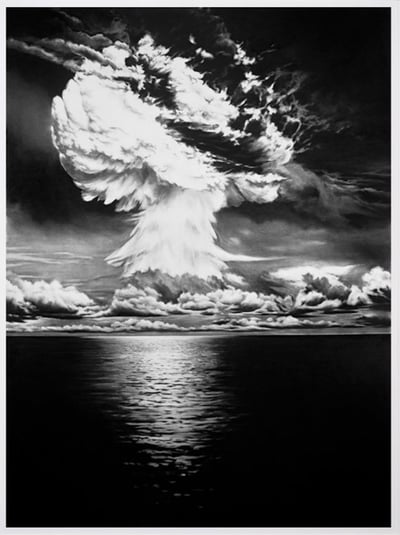
Robert Longo
Ivy Mike, 2010
Limited Edition Print
Pigment print
EUR 12,000
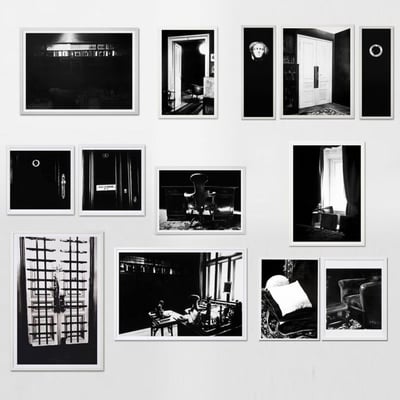
Robert Longo
The Freud Cycle (portfolio), 2004
Limited Edition Print
Pigment print
EUR 75,000
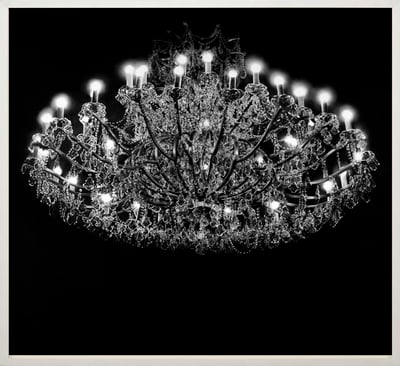
Robert Longo
Crystal Chandelier, 2012
Limited Edition Print
Pigment print
EUR 25,000

Robert Longo
Flag (Old Glory), 2013
Limited Edition Print
Pigment print
EUR 20,000 - 30,000

Robert Rauschenberg
One More and We Will Be More Than Halfway There, from Suite of Nine Prints, 1979
Limited Edition Print
Offset Print
USD 2,125

Robert Rauschenberg
More Distant Visible Part of the Sea, from Suite of Nine Prints, 1979
Limited Edition Print
Offset Print
USD 2,125

Robert Rauschenberg
Two Reasons Birds Sing, from Suite of Nine Prints, 1979
Limited Edition Print
Offset Print
USD 2,125

Robert Longo
Black Flag, 1999
Limited Edition Print
Relief printing
EUR 8,000 - 15,000
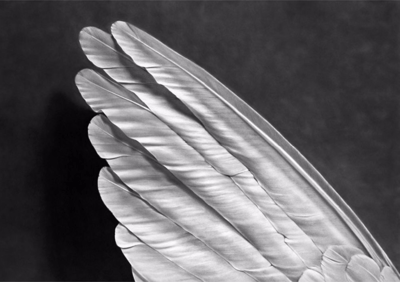
Robert Longo
Angel's Wing (Small Version), 2013
Limited Edition Print
Pigment print
EUR 9,000 - 12,000

Robert Longo
Rosette Nebula, 2014
Limited Edition Print
Pigment print
EUR 18,000 - 23,000
Related Articles

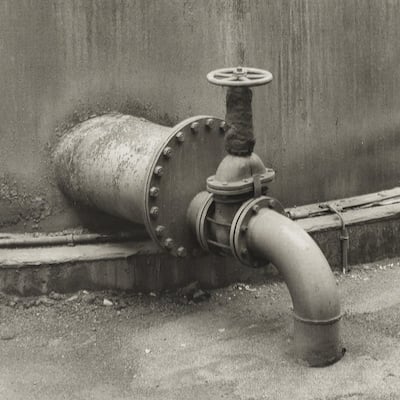
The Düsseldorf School of Photography refers to a group of photographers who studied under Bernd and Hilla Becher at the Kunstakademie Düsseldorf during the 1970s. This group was known for its devotion to the black-and-white industrial images characteristic of the German tradition known as New Objectivity. The photographers focused on precise, methodical documentation of industrial structures, often using a detached and objective approach.
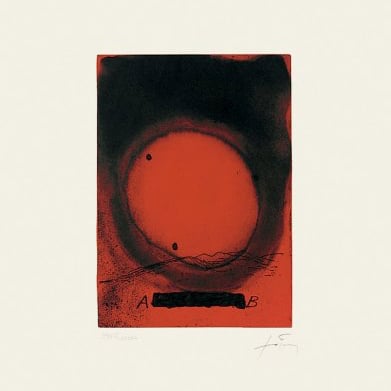
A movement and style in art that originated in Italy during the 1960s. It integrates elements of minimalism, performance art, and conceptual art by using everyday or seemingly worthless materials, such as newspapers, stones, or rags. The goal was to challenge and subvert the commercialization of art.

Lithography is a printing method based on the principle that water and oil do not mix. It can be used to print artwork or text onto paper or other suitable materials. Traditionally, an image was drawn with wax, fat, or oil onto a lithographic limestone surface or plate. Today, metal plates and other surfaces are also used in lithographic printing.
Can't find your Answer?
Thank you! Your question has been sent — we'll get back to you shortly.
