
What is Performance Art?
- Show All
- Established
- Discoveries
- Show All
Artworks Related to Performance art
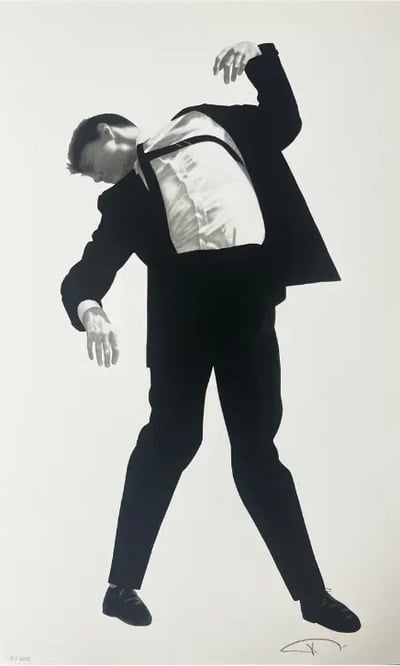
Robert Longo
Untitled (Eric, from Men in the Cities), 2025
Limited Edition Print
Silkscreen
EUR 3,000

Yayoi Kusama
Red and Yellow Pumpkins, 2015
Sculpture / Object
Mixed Media
EUR 1,850

Robert Indiana
Collection of 6 Hand-Woven Love Tapestries, 2006
Tapestry
Mixed Media
GBP 3,360

Claes Oldenburg
Proposal for a Colossal Structure in the Form of a Clothespin-Compared to Brancusi's Kiss, 1972
Limited Edition Print
Screen-print
Inquire For Price

Jim Dine
Nine Views of Winter 2, 1985
Limited Edition Print
Woodcut
USD 5,000

Red Grooms
Untitled from The New York Collection for Stockholm, 1973
Limited Edition Print
Screen-print
GBP 1,140

Claes Oldenburg
M.Mouse (with) 1 Ear (equals) Tea Bag Blackboard Version, 1973
Limited Edition Print
Mixed Media
GBP 2,220

Asger Jorn
Sans titre, 1967
Limited Edition Print
Lithograph
EUR 2,550
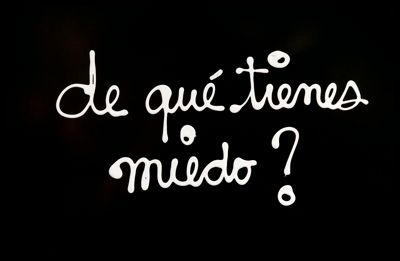
Ben Vautier
De qué tienes miedo?, 2006
Limited Edition Print
Screen-print
EUR 2,500

Ben Vautier
Es difícil amar, 2006
Limited Edition Print
Screen-print
EUR 2,500
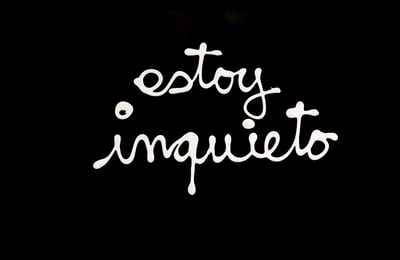
Ben Vautier
Estoy inquieto, 2006
Limited Edition Print
Screen-print
EUR 2,500
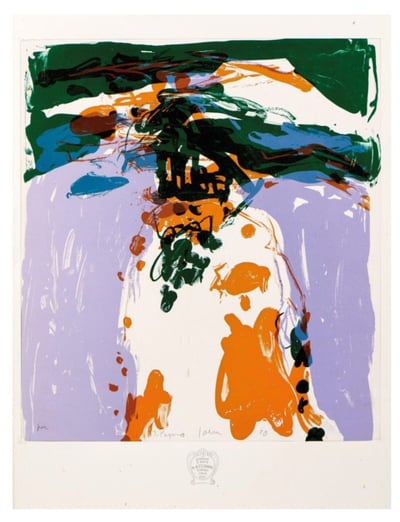
Asger Jorn
Lithographie couleur, 1970
Limited Edition Print
Lithograph
EUR 1,200
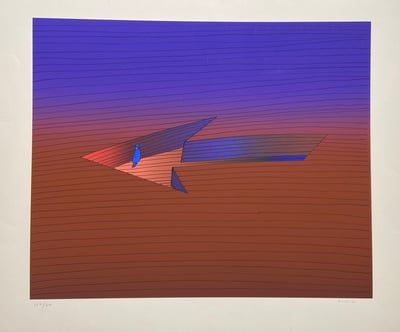
Jean-Michel Folon
Le chemin, 1985
Limited Edition Print
Silkscreen
EUR 1,500
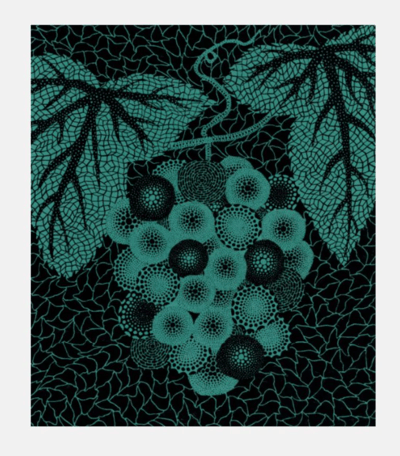
Yayoi Kusama
Grapes (Kusama 29), 1983
Limited Edition Print
Screen-print
GBP 30,000 - 40,000

Jean Tinguely
Shooting paintings, 1970
Drawing / Watercolor
Ink
EUR 4,000
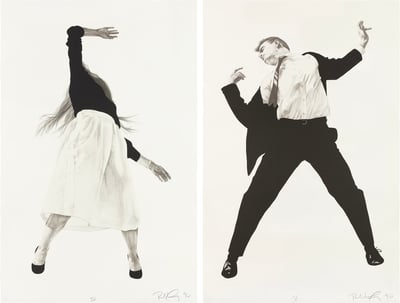
Robert Longo
Men in the Cities, Tokyo, Seibu Department Stores, Ltd. V (Single Man) & IV (Single Woman), 1990
Limited Edition Print
Lithograph
USD 68,000 - 75,000
Related Articles


New Topographics is a term coined in 1975 by curator William Jenkins to describe a group of photographers whose work focused on formal black-and-white images of urban and industrial landscapes. Jenkins initially described their aesthetic as banal, but the photographers themselves argued that their compositions were as significant as those of natural landscapes, emphasizing the beauty in everyday, man-made environments.
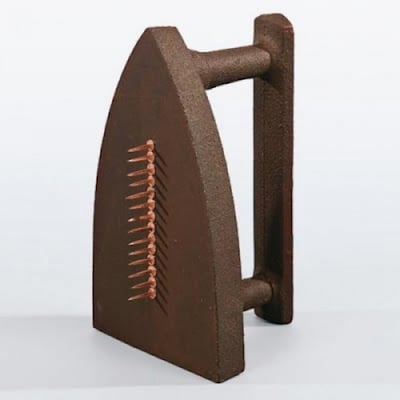
Readymade is the term coined by French artist Marcel Duchamp to describe artworks created from manufactured objects. Duchamp selected ordinary, functional items that he felt had visual indifference, turning them into art simply by choosing and presenting them in a new context. This concept challenged traditional notions of art and continues to influence artists who adopt similar approaches today.

Engraving is a printmaking technique where a metal plate or surface is directly cut using a sharp engraving tool called a burin. The tool creates deep lines or grooves, which are then filled with ink. The plate is pressed onto paper with heavy pressure, transferring the inked image. This process results in a clear and precise print.
Can't find your Answer?
Thank you! Your question has been sent — we'll get back to you shortly.
