
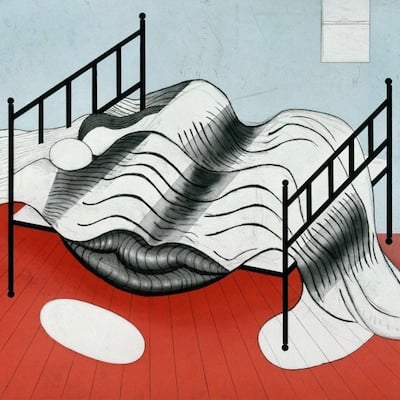
What is Postmodernism?
- Show All
- Established
- Discoveries
- Show All
Artworks Related to Postmodernism
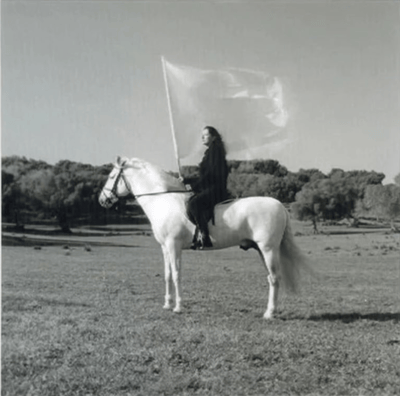
Marina Abramovic
The Hero, 2022
Photography
Mixed Media
Inquire For Price
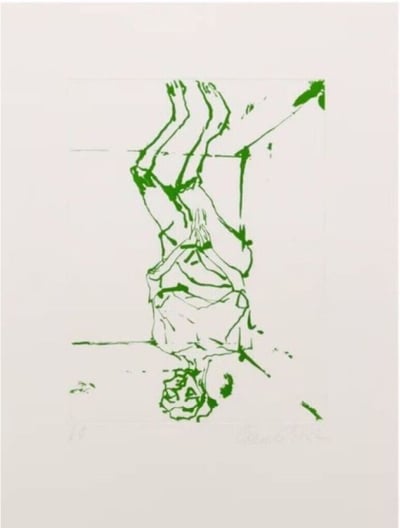
Georg Baselitz
Serpentine - green, 2022
Limited Edition Print
Etching and Aquatint
Inquire For Price

Lynn Chadwick
Maquette VII Walking Couple, 1976
Sculpture / Object
Bronze
Inquire For Price
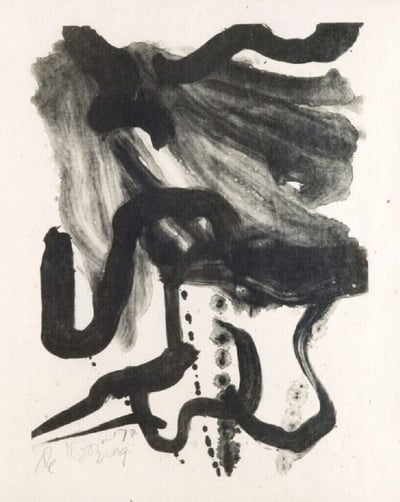
Willem de Kooning
Woman with long hair and corset, 1970
Limited Edition Print
Lithograph
Inquire For Price
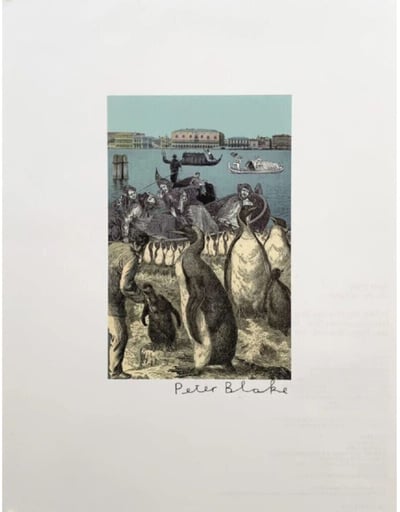
Peter Blake
Venice - Exhibition poster, 2009
Limited Edition Print
Screen-print
GBP 1,300
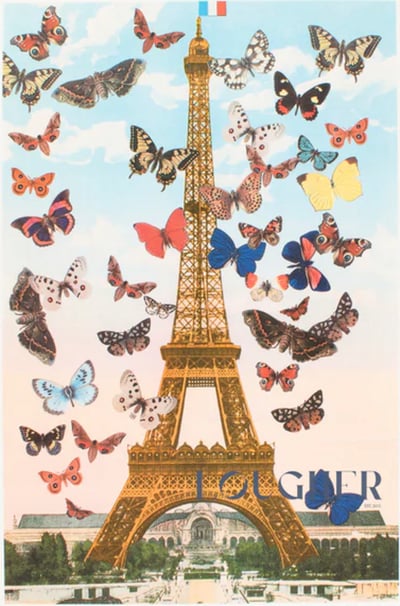
Peter Blake
Eiffel Tower (from the Paris suite), 2010
Limited Edition Print
Silkscreen
GBP 4,700
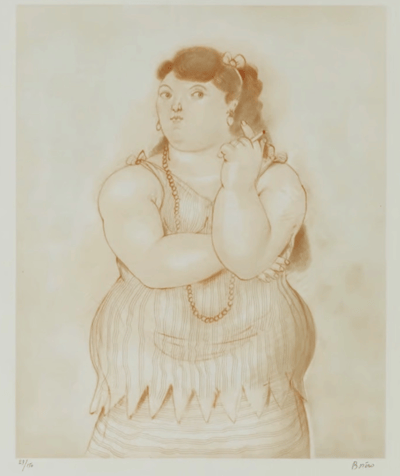
Fernando Botero
Dessins et Aquarelles (2), 1984
Limited Edition Print
Lithograph
EUR 6,350
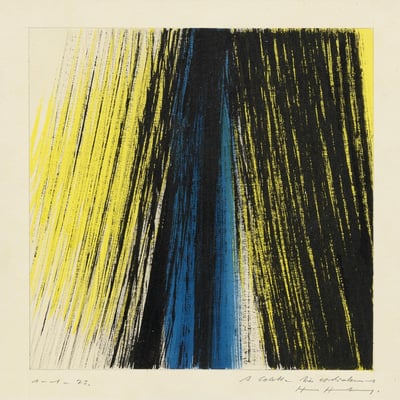
Hans Hartung
KP1972-3, 1972
Painting
Acrylic on paper
Inquire For Price
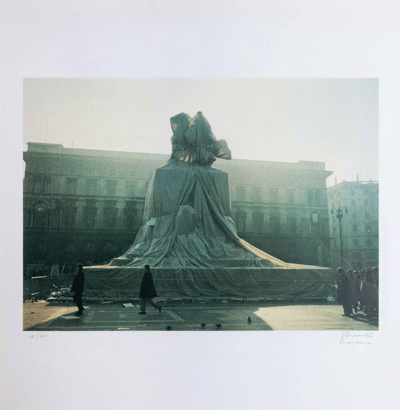
Javacheff Christo
Wrapped Monumento to Vittorio Emanuele, Piazza del Duomo, 1970
Limited Edition Print
Photograph
EUR 2,400
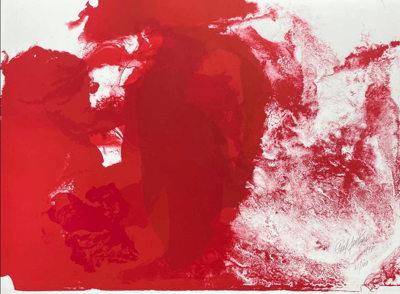
Paul Jenkins
Five Invocations III, 1997
Limited Edition Print
Lithograph
EUR 1,550
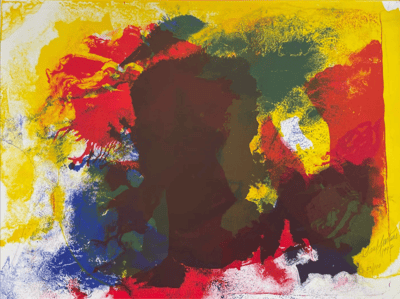
Paul Jenkins
Five Invocations II, 1997
Limited Edition Print
Lithograph
EUR 1,550
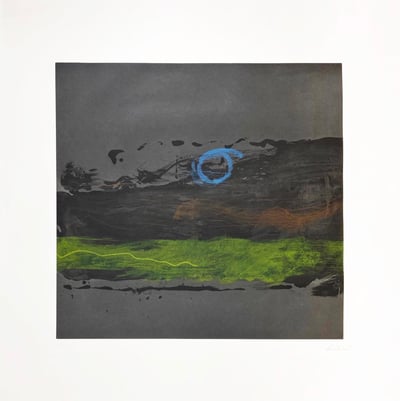
Helen Frankenthaler
Broome Street at Night, 1987
Limited Edition Print
Mixed Media
EUR 13,250
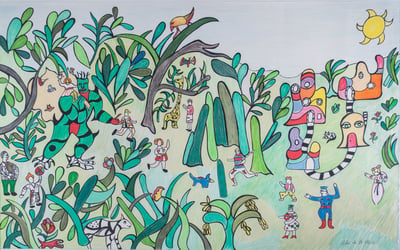
Niki De Saint Phalle
Jungle I, c.1993
Limited Edition Print
Lithograph
EUR 3,600
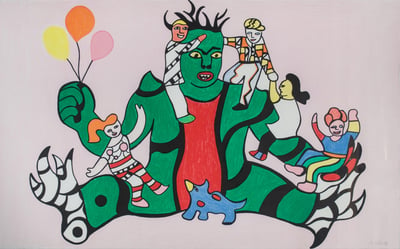
Niki De Saint Phalle
Le Monstre, 1995
Limited Edition Print
Lithograph
EUR 3,000
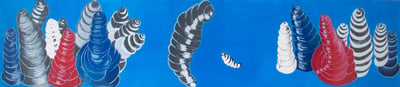
Louise Bourgeois
The Songs of the Blacks and the Blues, 1999
Limited Edition Print
Mixed Media
Inquire For Price
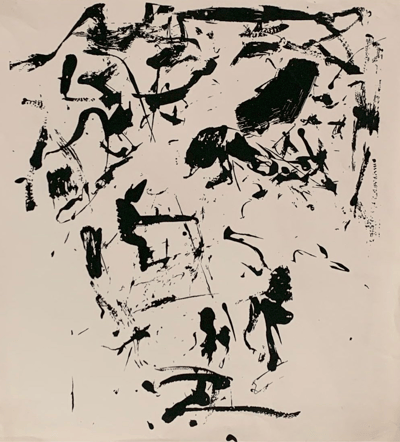
Joan Mitchell
Untitled (The Poems), ca. 1959
Limited Edition Print
Screen-print
USD 7,000
Related Articles
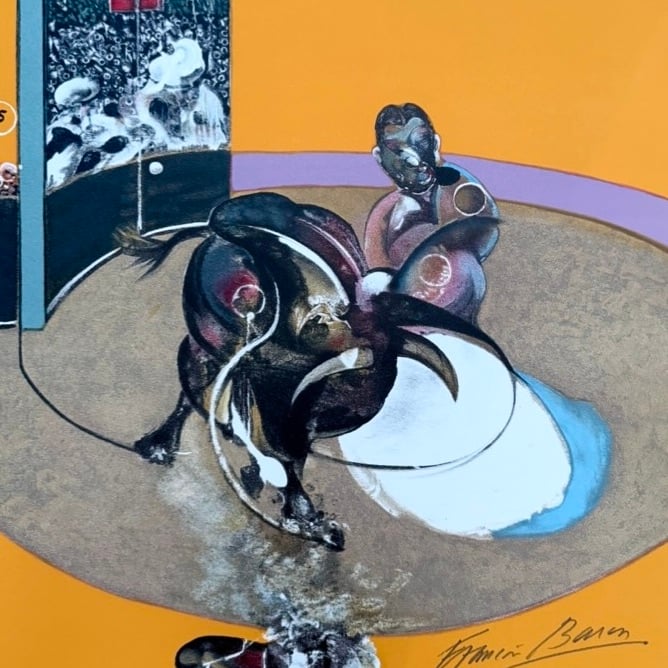
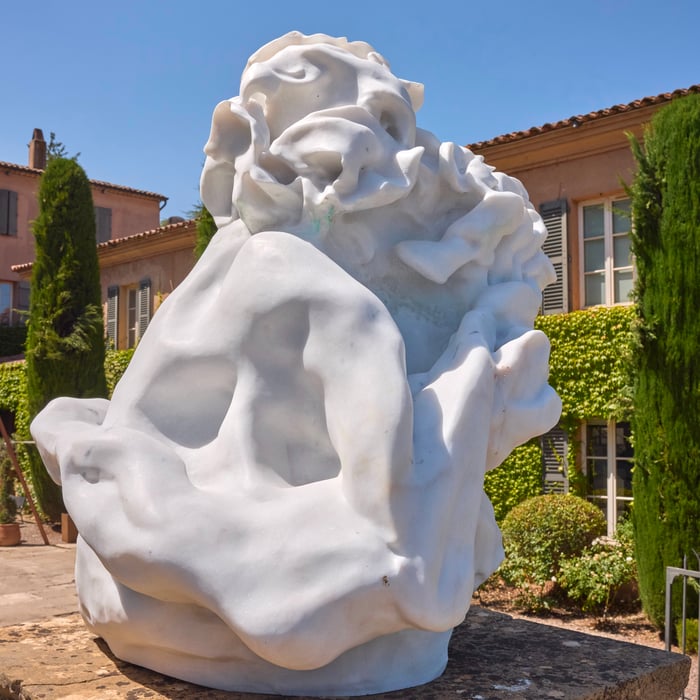
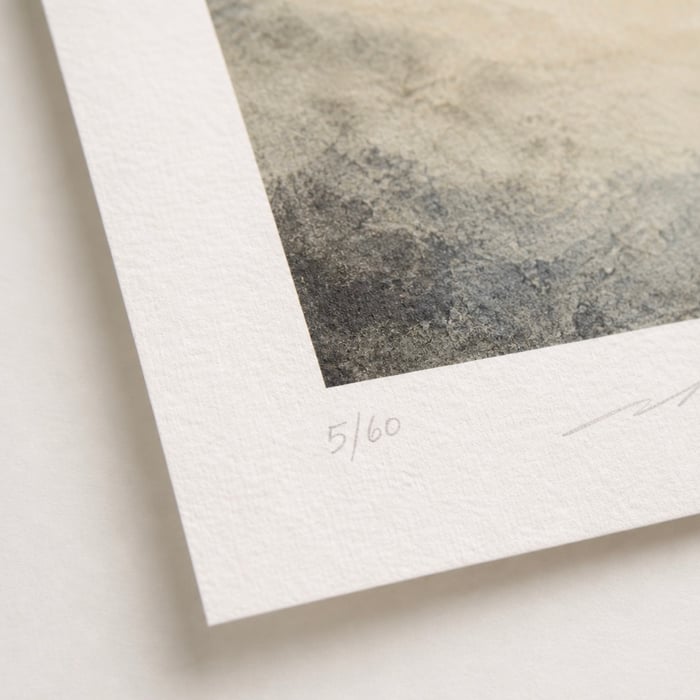

Entropy, in a broader sense, refers to the inevitable deterioration or decline of a society or system. In art, the concept was popularized by artist Robert Smithson in the 1960s. He used the term to critique what he saw as the static and overly simplified nature of contemporary minimalist art. Smithson's work often explored the idea of entropy as a force of chaos and decay, contrasting with the perceived order and purity of minimalist works.
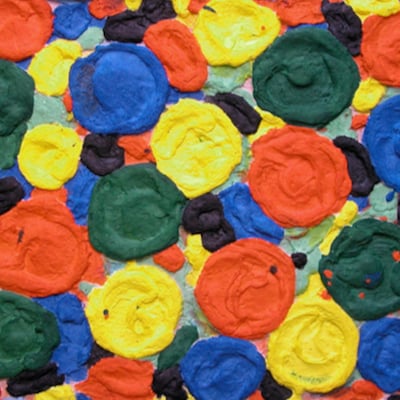
Aquagravure is a technique that combines multiple processes. It involves compressing wet paper pulp in a carved wood mold until the water drains off. The compressed paper is then painted, and ink is added to the mold to print onto the painted paper. The final work is allowed to dry. This method results in a unique textural and visual effect, blending elements of printmaking and papermaking.

Cubism is an art movement that aimed to depict multiple perspectives of objects or figures within a single picture. Artists Georges Braque and Pablo Picasso pioneered this style around 1907. The name Cubism emerged from their use of geometric shapes and outlines that often resembled cubes, breaking objects down into abstracted forms.
Can't find your Answer?
Thank you! Your question has been sent — we'll get back to you shortly.
