
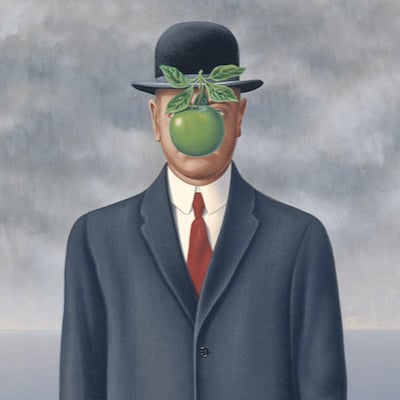
What is Surrealism?
- Show All
- Established
- Discoveries
- Show All
Artworks Related to Surrealism
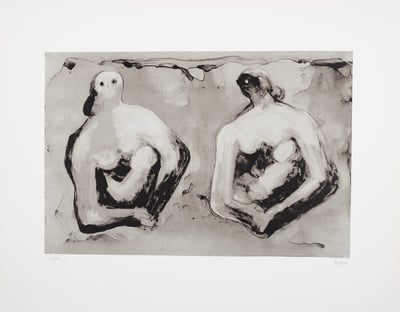
Henry Moore
Sisters with Children (C. 544), 1979
Limited Edition Print
Lithograph
USD 3,600
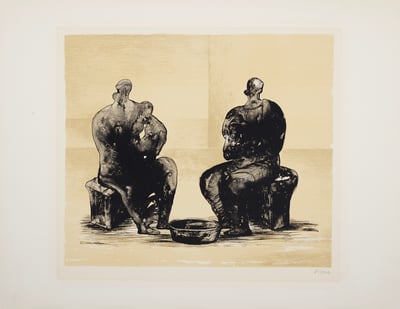
Henry Moore
Two Women Bathing Child II (C. 310), 1973
Limited Edition Print
Lithograph
USD 3,600

Henry Moore
Collection of 10 Prints, 1973–1981
Limited Edition Print
Mixed Media
USD 29,250

Louise Bourgeois
Crochet V, 1998
Limited Edition Print
Mixed Media
USD 34,750

Pablo Picasso
Taureau sous l'arbre (Bull under the Tree), 1952
Ceramics
Ceramic
EUR 4,800
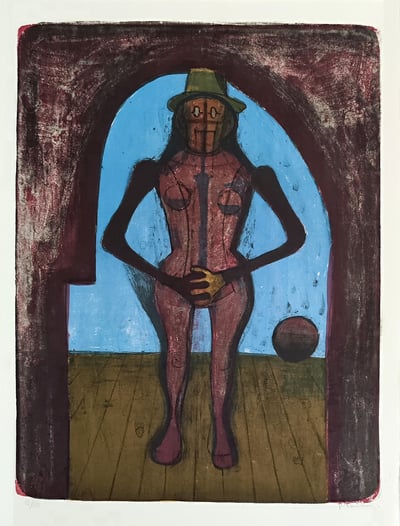
Rufino Tamayo
Femme au Collant Rose, 1969
Limited Edition Print
Lithograph
EUR 2,600

Pablo Picasso
Le Joueur de Diaule, 1966
Limited Edition Print
Etching and Aquatint
Currently Not Available
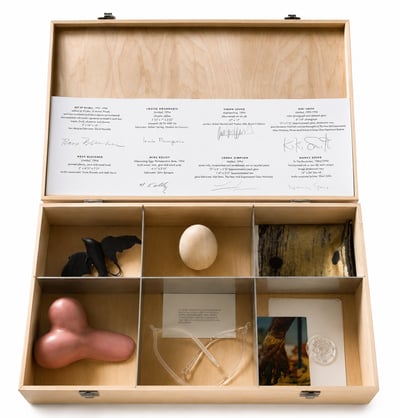
Louise Bourgeois
ACT UP Art Box, 1994
Sculpture / Object
Mixed Media
EUR 11,500

Alberto Giacometti
Buste II, 1960
Limited Edition Print
Lithograph
EUR 4,800
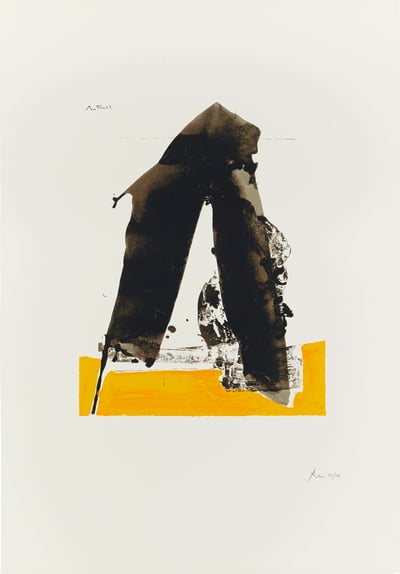
Robert Motherwell
Untitled 10 from The Basque Suite, 1970-71
Limited Edition Print
Screen-print
USD 2,650
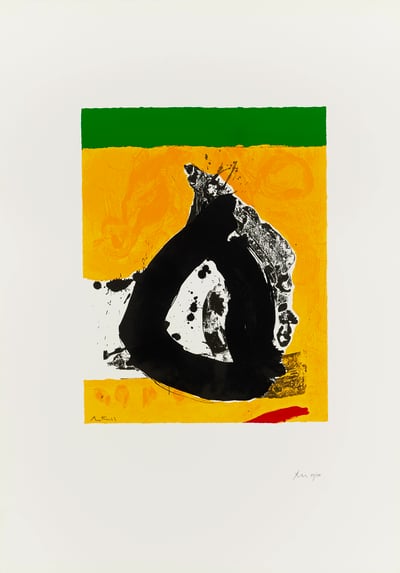
Robert Motherwell
Untitled 9 from The Basque Suite, 1970-71
Limited Edition Print
Screen-print
USD 2,650
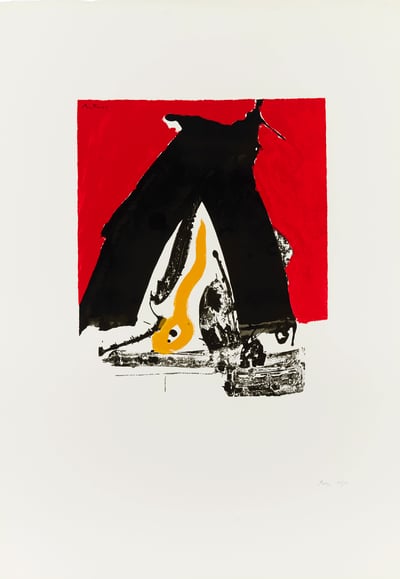
Robert Motherwell
Untitled 8 from The Basque Suite, 1970-71
Limited Edition Print
Screen-print
USD 2,650
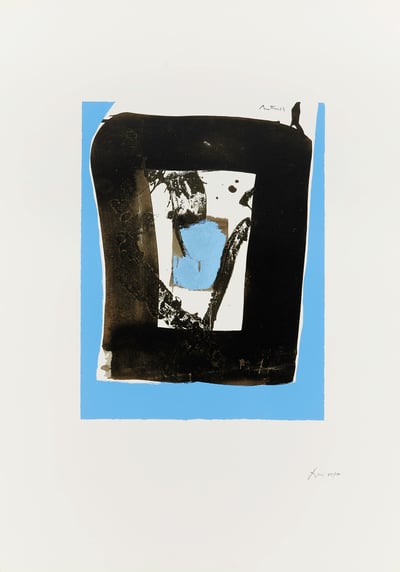
Robert Motherwell
Untitled 7 from The Basque Suite, 1970-71
Limited Edition Print
Screen-print
USD 2,650
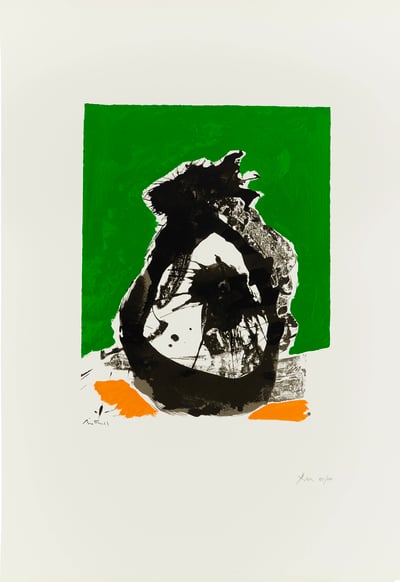
Robert Motherwell
Untitled 6 from The Basque Suite, 1970-71
Limited Edition Print
Screen-print
USD 2,650
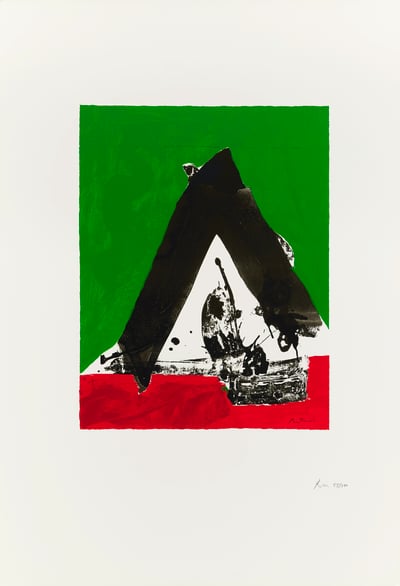
Robert Motherwell
Untitled 5 from The Basque Suite, 1970-71
Limited Edition Print
Screen-print
USD 2,650
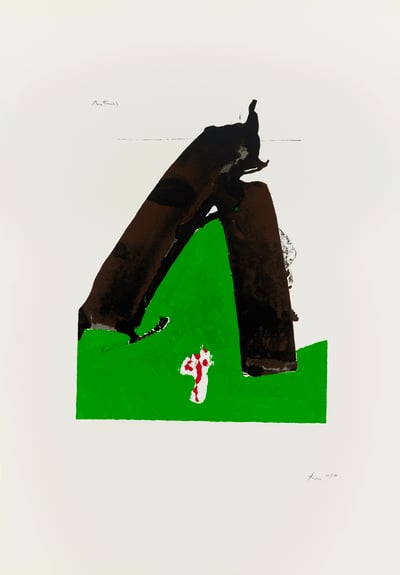
Robert Motherwell
Untitled 4 from The Basque Suite, 1970-71
Limited Edition Print
Screen-print
USD 2,650
Related Articles

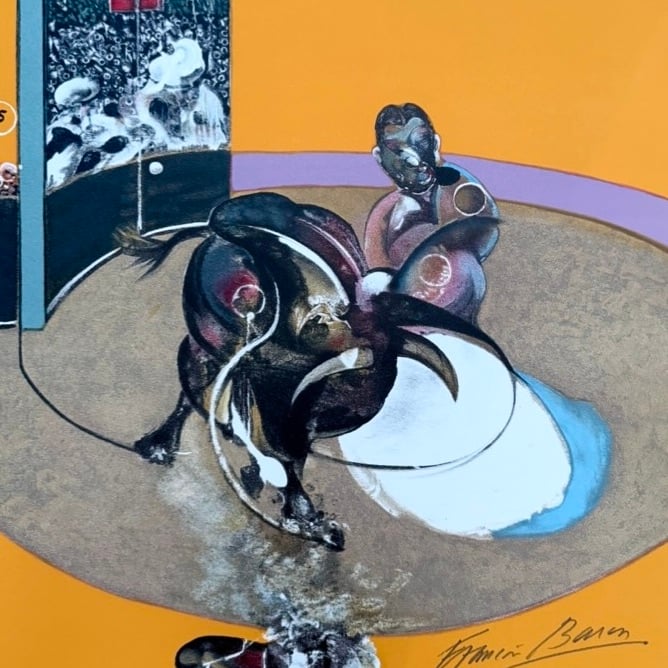

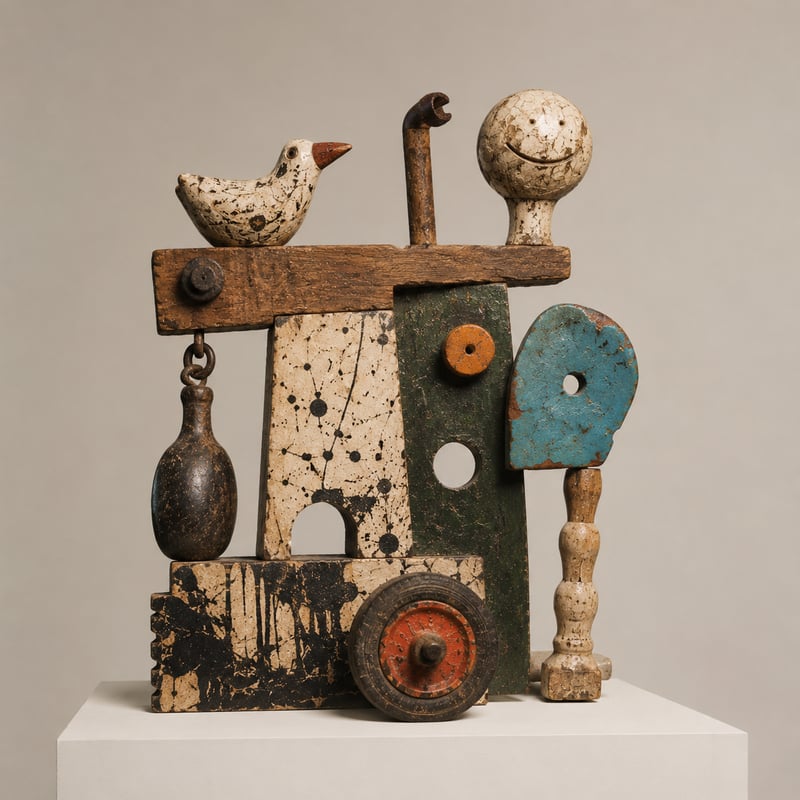
In the 1960s, Funk Art emerged as a reactive movement against Abstract Expressionism. It was widely known as an anti-establishment movement, with the name derived from the jazz term funky. This term carried both positive and negative connotations: in the jazz world, it described passion, quirkiness, and sensuality, but it could also refer to a foul odor. Funk Art was particularly popular in the California Bay Area. While the artists of the Funk Art era shared similar attitudes and styles, they did not see themselves as part of a formal group or movement.

Lithography is a printing method based on the principle that water and oil do not mix. It can be used to print artwork or text onto paper or other suitable materials. Traditionally, an image was drawn with wax, fat, or oil onto a lithographic limestone surface or plate. Today, metal plates and other surfaces are also used in lithographic printing.

A C-type print, also known as a chromogenic print, is a photographic print made from a color negative or slide. The print is created on chromogenic paper, which contains three emulsion layers, each sensitized to a different primary color. After exposure, the paper is processed in a series of chemical baths, where each layer reacts to the chemicals to produce the final image. C-type prints are known for their rich color depth and are widely used in fine art and commercial photography.
Can't find your Answer?
Thank you! Your question has been sent — we'll get back to you shortly.
