
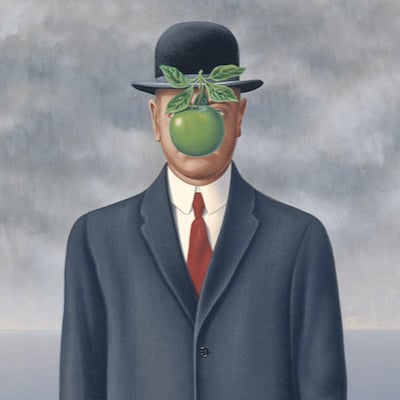
What is Surrealism?
- Show All
- Established
- Discoveries
- Show All
Artworks Related to Surrealism
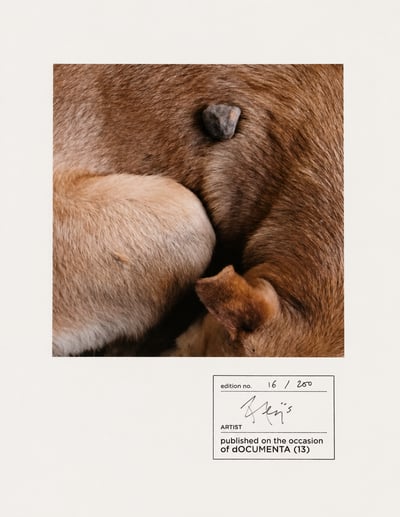
Francis Alys
Untitled (documenta 13), 2012
Photography
Photograph
EUR 590
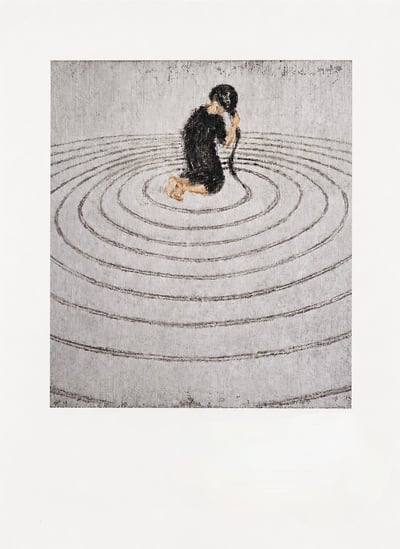
Francis Alys
Untitled (Salam Tristesse), 2018/2025
Limited Edition Print
Offset Print
EUR 860
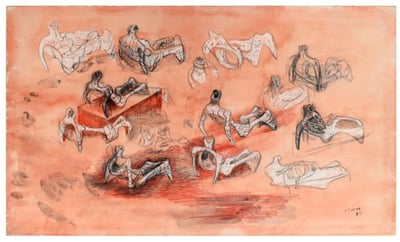
Henry Moore
Reclining Figures, 1939
Painting
Mixed Media
Inquire For Price

Lynn Chadwick
Maquette VII Walking Couple, 1976
Sculpture / Object
Bronze
Inquire For Price

Javier Calleja
Pop Top Planter and Flower Vase, 2021
Sculpture / Object
Ceramic
Inquire For Price
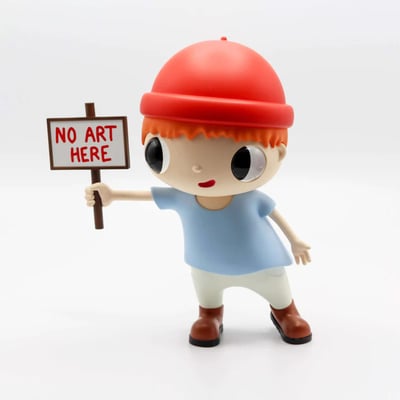
Javier Calleja
No Art Here, 2020
Sculpture / Object
Resin
GBP 1,300
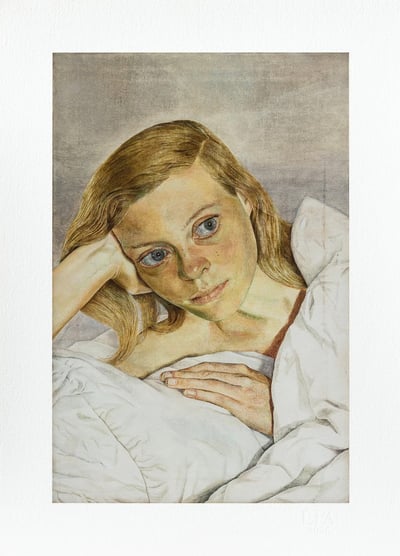
Lucian Freud
Girl in Bed, 1953
Limited Edition Print
Archival Print
GBP 3,500 - 4,500
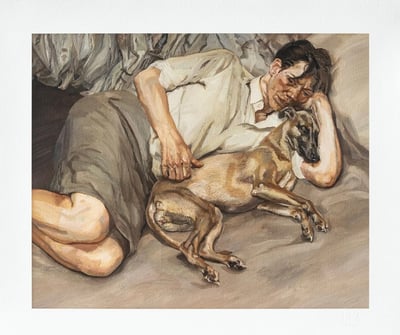
Lucian Freud
Double Portrait, 1990
Limited Edition Print
Archival Print
GBP 3,500 - 4,500

Joseph Cornell
Untitled, c. 960s
Drawing / Watercolor
Collage
Inquire For Price
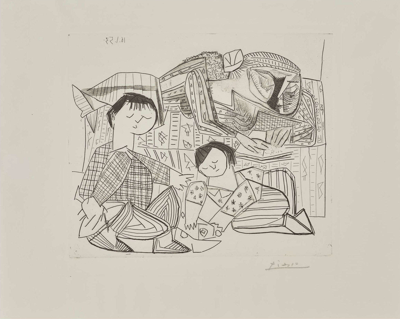
Pablo Picasso
Mere et Enfants, 1961
Limited Edition Print
Etching and Aquatint
GBP 20,000
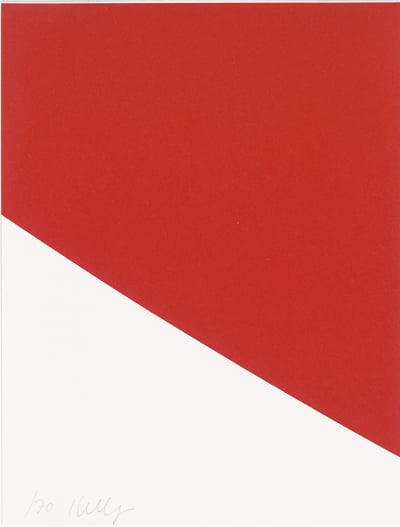
Ellsworth Kelly
Red Curve, 1999
Limited Edition Print
Lithograph
USD 16,000
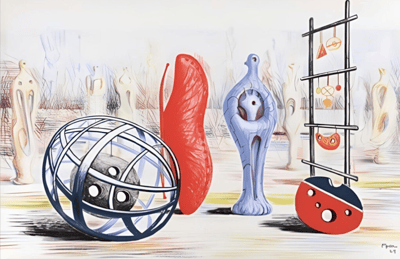
Henry Moore
Scultpural Objects School, 1949
Limited Edition Print
Lithograph
Inquire For Price
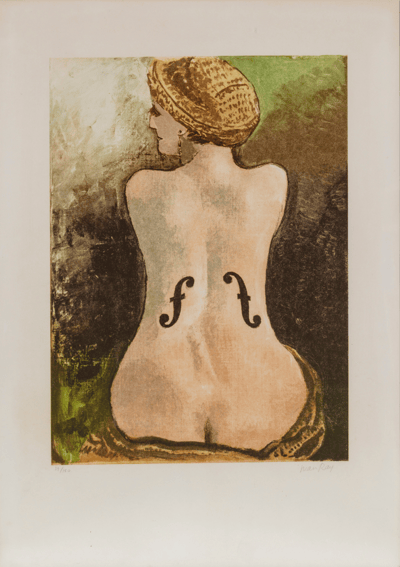
Man Ray
Le Violon d'Ingres, 1968
Limited Edition Print
Lithograph
EUR 5,000
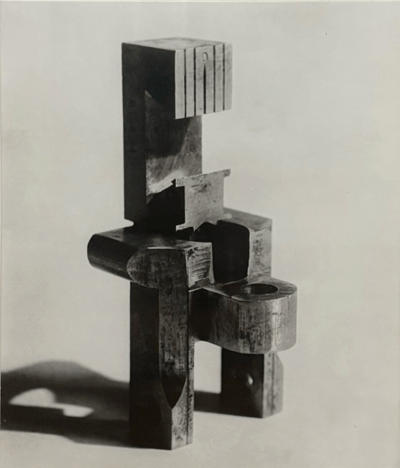
Man Ray
The Rebus, 1926
Photography
Gelatin Silver Print
EUR 6,500
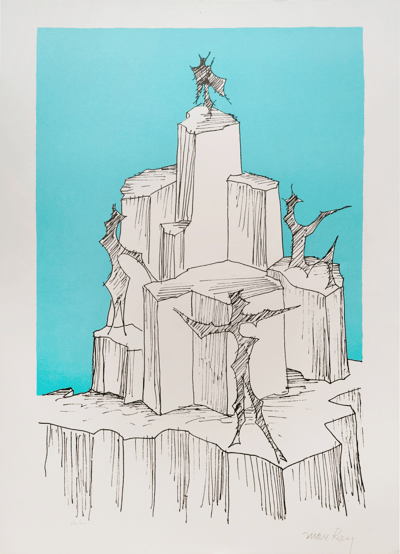
Man Ray
La Montagna di Cristallo, 1971
Limited Edition Print
Lithograph
EUR 2,400
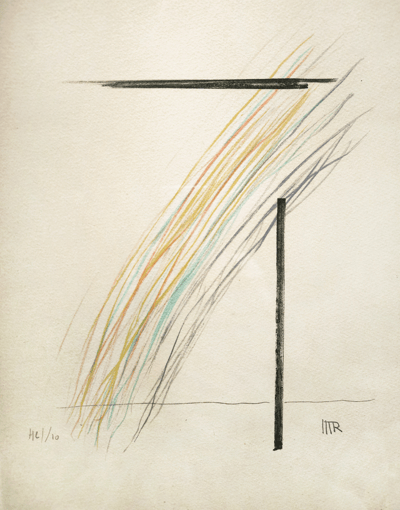
Man Ray
Invasion de l'espace, 1974
Limited Edition Print
Lithograph
EUR 2,300
Related Articles

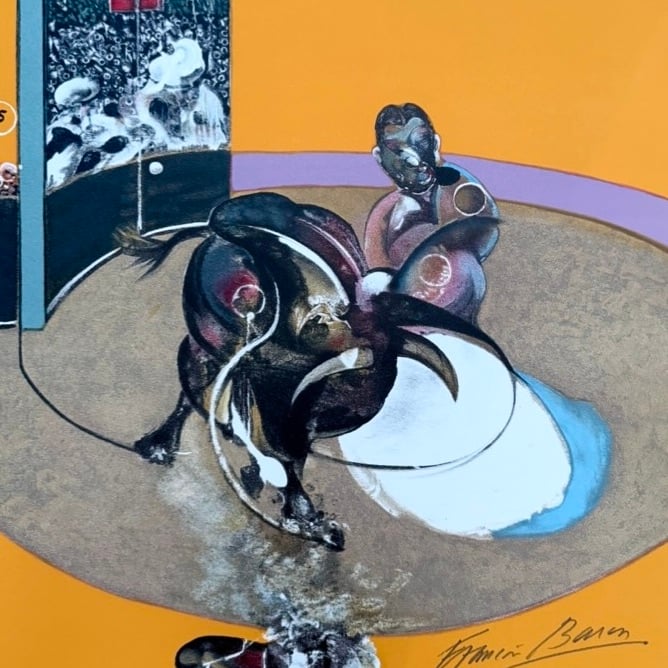


A C-type print, also known as a chromogenic print, is a photographic print made from a color negative or slide. The print is created on chromogenic paper, which contains three emulsion layers, each sensitized to a different primary color. After exposure, the paper is processed in a series of chemical baths, where each layer reacts to the chemicals to produce the final image. C-type prints are known for their rich color depth and are widely used in fine art and commercial photography.

Automatism refers to a technique in the creative process that accesses material from the unconscious or subconscious mind. It is based on Sigmund Freud’s psychoanalytic method of free association. Artists value this process for its ability to inspire creative thought and spontaneous creation.
Video art is an art form that uses video and audio data, primarily featuring moving images. It emerged in the late 1960s and early 1970s with the advent of new technology and consumer video equipment that became accessible beyond corporate broadcasting. Video art can take many forms, including broadcast recordings, installations in museums or galleries, online streamed works, videotapes, and performances incorporating video monitors, television sets, or projections that display live or recorded sounds and images.
Can't find your Answer?
Thank you! Your question has been sent — we'll get back to you shortly.
