
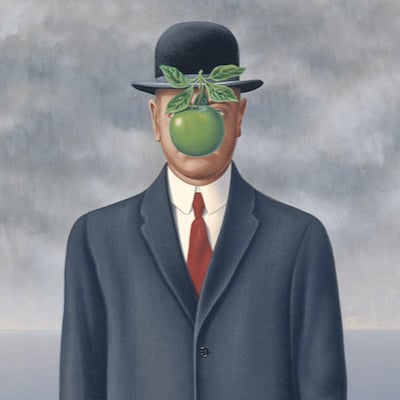
What is Surrealism?
- Show All
- Established
- Discoveries
- Show All
Artworks Related to Surrealism
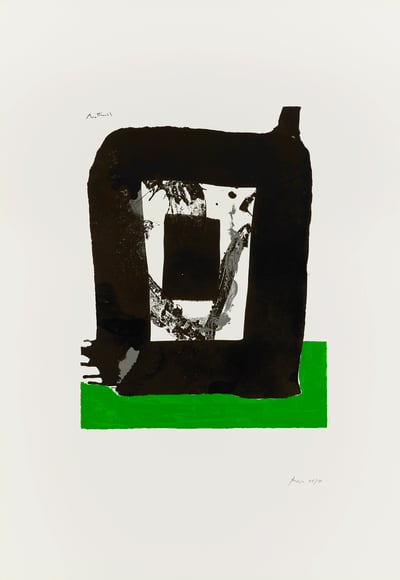
Robert Motherwell
Untitled 3 from The Basque Suite, 1970-71
Limited Edition Print
Screen-print
USD 2,650
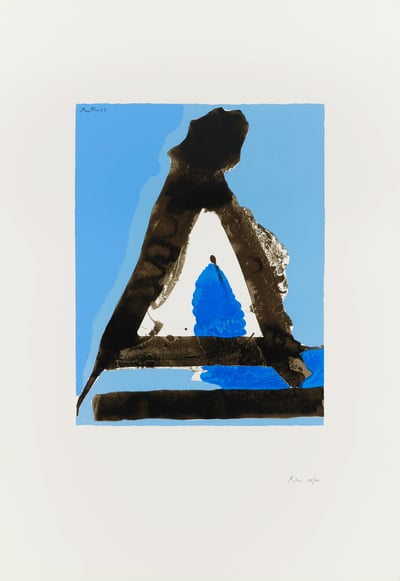
Robert Motherwell
Untitled 2 from The Basque Suite, 1970-71
Limited Edition Print
Screen-print
USD 2,650
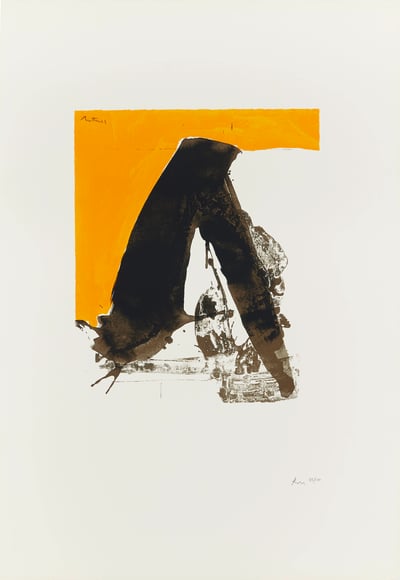
Robert Motherwell
Untitled 1 from The Basque Suite, 1970-71
Limited Edition Print
Screen-print
Currently Not Available
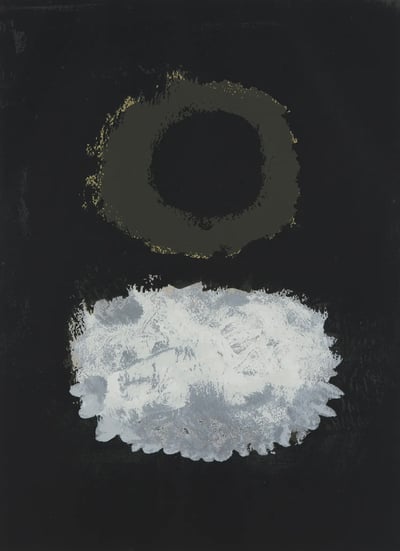
Adolph Gottlieb
Black Field, 1972
Limited Edition Print
Screen-print
USD 3,600
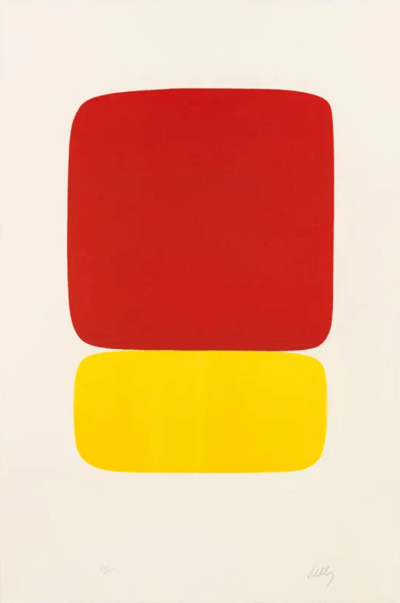
Ellsworth Kelly
Red Over Yellow, 1964-1965
Limited Edition Print
Lithograph
Inquire For Price
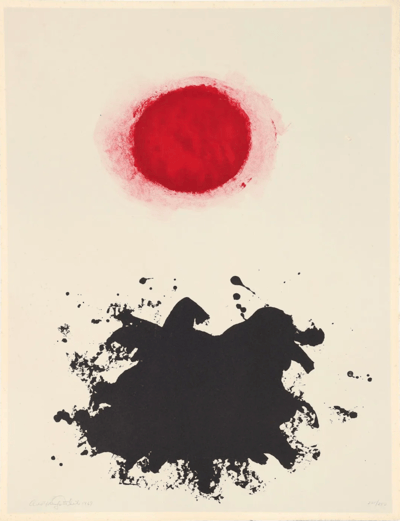
Adolph Gottlieb
Untitled (from the Flight portfolio), 1971
Limited Edition Print
Lithograph
Inquire For Price

Marc Chagall
Job in Despair, 1960
Limited Edition Print
Lithograph
USD 5,300
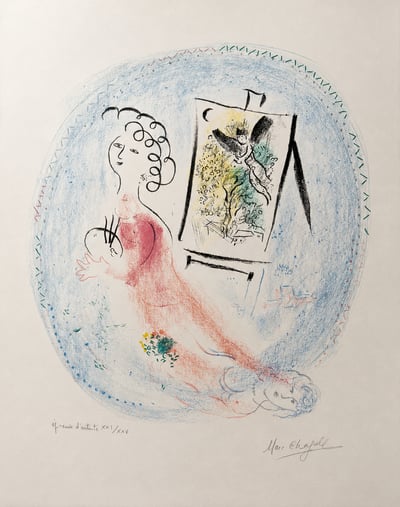
Marc Chagall
The Easel, 1969
Limited Edition Print
Lithograph
EUR 8,500

Pablo Picasso
Peintre et modèle au bandeau, 1966
Limited Edition Print
Etching and Aquatint
EUR 18,000
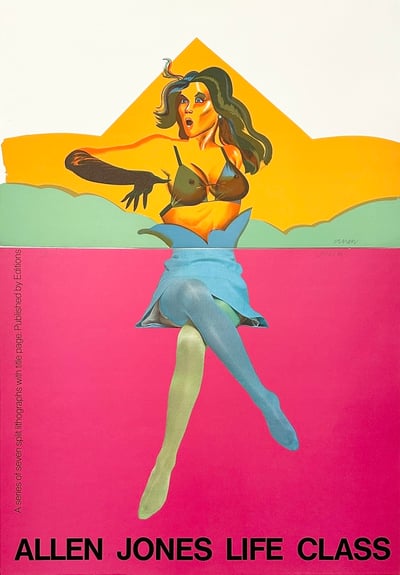
Allen Jones
Life Class, Title page, 1968
Limited Edition Print
Lithograph
EUR 2,300

Marc Chagall
Printemps au Pré (from Daphnis and Chloe), 1961
Limited Edition Print
Lithograph
EUR 6,200
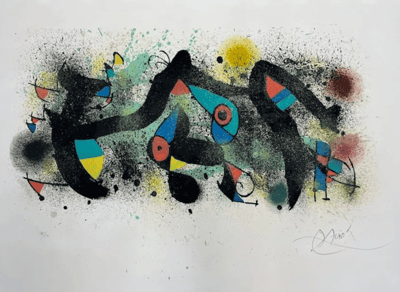
Joan Miró
Cerámicas de Miró y Artigas, 1974
Limited Edition Print
Lithograph
EUR 7,800
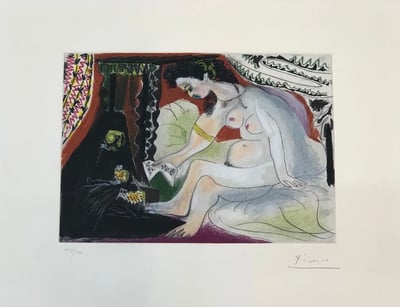
Pablo Picasso
Bethsabée, 1966
Limited Edition Print
Etching and Aquatint
EUR 22,350
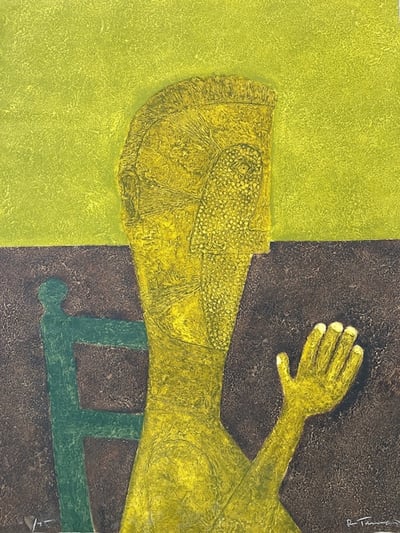
Rufino Tamayo
Personaje sentado, 1976
Limited Edition Print
Etching
EUR 4,375
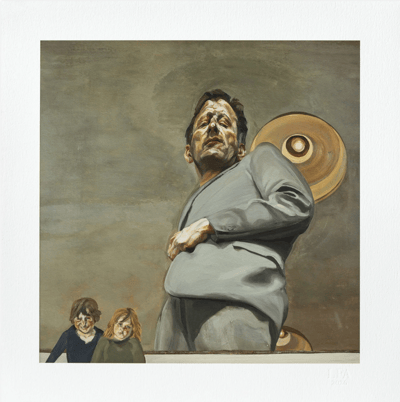
Lucian Freud
Reflection With Two Children (Self-portrait), 1965 – 2026
Limited Edition Print
Pigment print
GBP 4,200
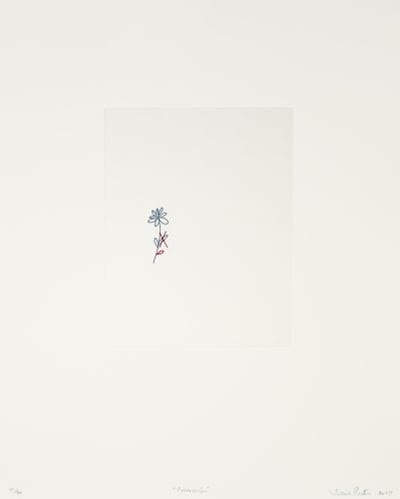
Liliana Porter
Corrección, 2018
Limited Edition Print
Etching
EUR 1,500
Related Articles


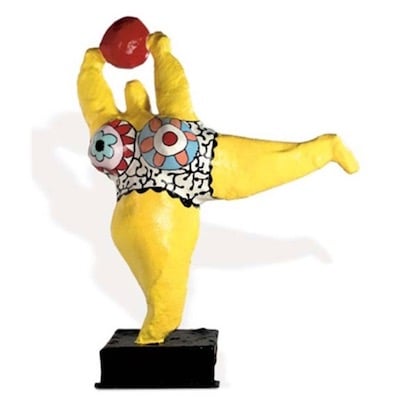
Papier-mâché is a composite material made from pieces of paper or pulp, reinforced with textiles and bound with adhesives like starch, wallpaper paste, or glue. There are two main methods to create papier-mâché: one involves layering strips of paper soaked in adhesive, while the other uses a pulp made by boiling or soaking paper and then adding glue. Though each method has a different process, both yield similar results.

Engraving is a printmaking technique where a metal plate or surface is directly cut using a sharp engraving tool called a burin. The tool creates deep lines or grooves, which are then filled with ink. The plate is pressed onto paper with heavy pressure, transferring the inked image. This process results in a clear and precise print.

Patina is the distinctive greenish surface that bronze develops over time due to exposure to air and humidity. Artists can also apply chemicals to bronze to artificially create patina. Alternatively, bronze can be polished to reveal its natural rich gold color. Patina is not exclusive to bronze; it can also occur on other metals like copper and even on wood and stone, enhancing the material's character over time.
Can't find your Answer?
Thank you! Your question has been sent — we'll get back to you shortly.
