
What is a Lithograph?
- Show All
- Established
- Discoveries
- Show All
Artworks Related to Lithograph
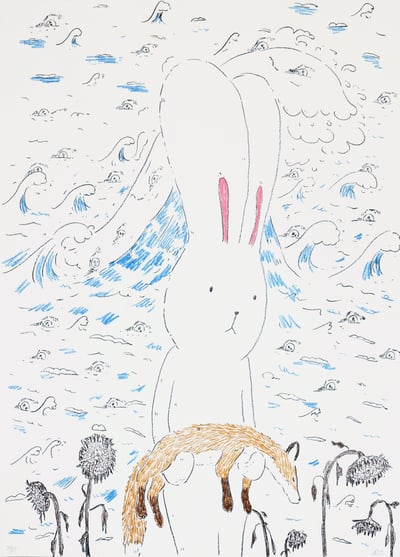
Atsushi Kaga
Usacchi 2, 2024
Limited Edition Print
Lithograph
EUR 3,500
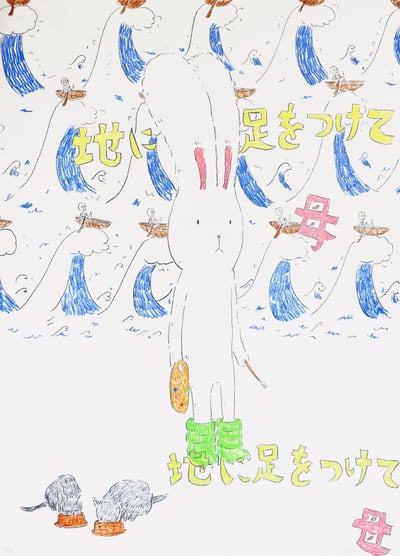
Atsushi Kaga
Usacchi 1, 2024
Limited Edition Print
Lithograph
EUR 3,500

Atsushi Kaga
Kumacchi in green 2, 2023
Limited Edition Print
Lithograph
EUR 5,000
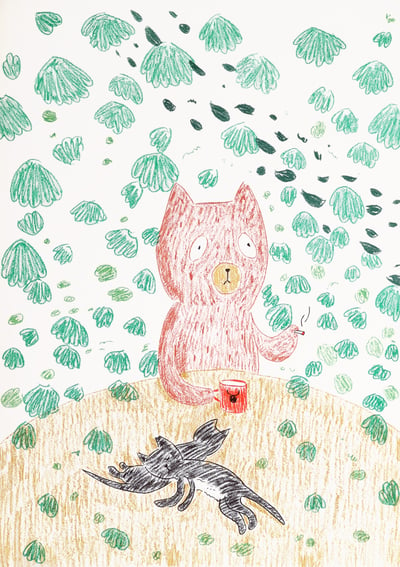
Atsushi Kaga
Kumacchi in green 1, 2023
Limited Edition Print
Lithograph
EUR 5,000
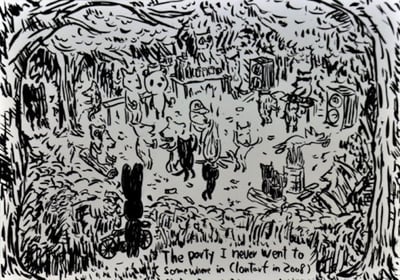
Atsushi Kaga
The party I never went to..., 2012
Limited Edition Print
Lithograph
EUR 1,300
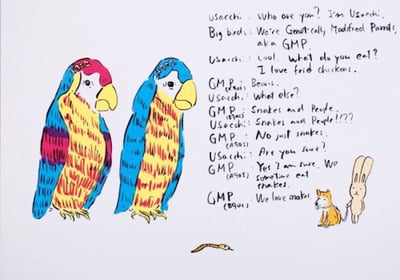
Atsushi Kaga
2 Genetically modified parrots, 2012
Limited Edition Print
Lithograph
EUR 1,300
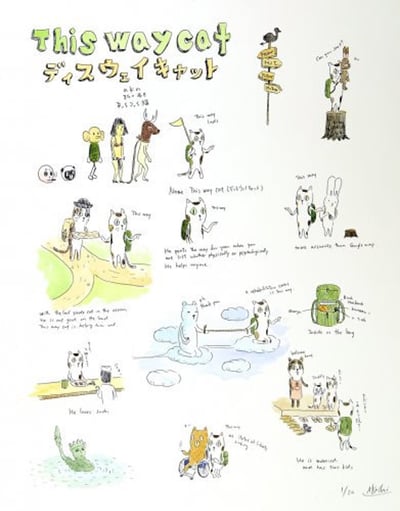
Atsushi Kaga
This way cat, 2014
Limited Edition Print
Lithograph
EUR 2,000

Atsushi Kaga
Alex, 2014
Limited Edition Print
Lithograph
EUR 2,000

Atsushi Kaga
Sachiko, 2014
Limited Edition Print
Lithograph
EUR 2,000

Atsushi Kaga
Polar Bear, 2014
Limited Edition Print
Lithograph
EUR 2,000
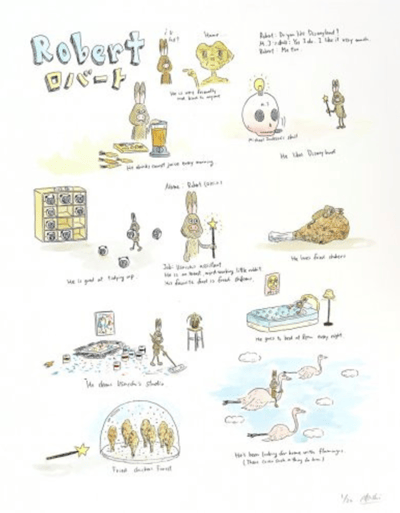
Atsushi Kaga
Robert, 2014
Limited Edition Print
Lithograph
EUR 2,000
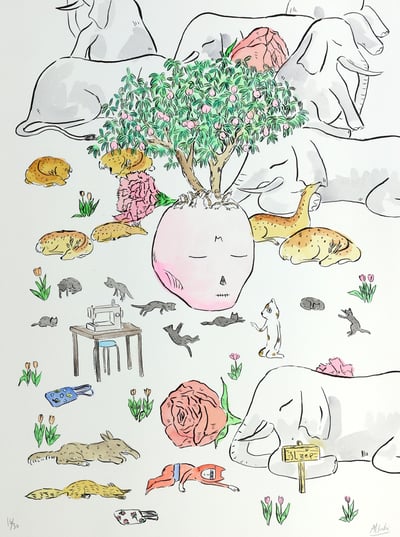
Atsushi Kaga
Peach tree, 2023
Limited Edition Print
Lithograph
EUR 2,500
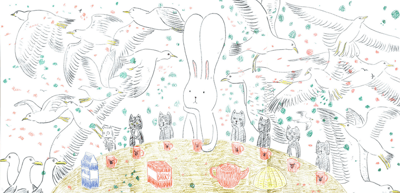
Atsushi Kaga
Usacchi con gaviotas, 2023
Limited Edition Print
Lithograph
EUR 11,000
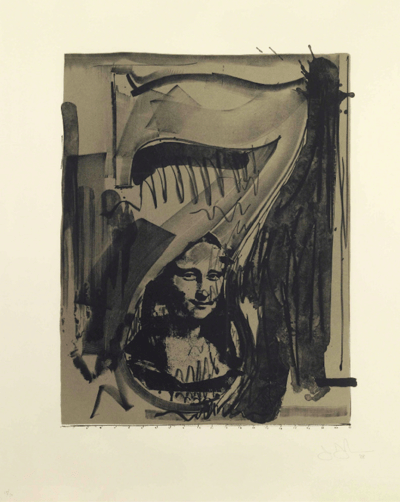
Jasper Johns
Figure 7, Black Numerals Series, 1968
Limited Edition Print
Lithograph
Inquire For Price
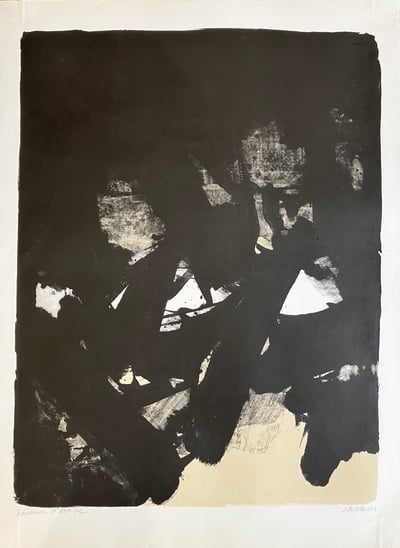
Pierre Soulages
Lithograph 13, 1964
Limited Edition Print
Lithograph
EUR 23,500

Marc Chagall
David and Bathsheba, 1956
Limited Edition Print
Lithograph
EUR 4,550
Related Articles


Hypermodernism is a cultural and artistic movement that emerged in the late 20th and early 21st centuries, characterized by an intense embrace of technology and a focus on speed, complexity, and the future. This movement often challenges traditional modernist values by emphasizing hyper-reality, where the boundaries between reality and virtuality blur. Hypermodernism is evident in architecture, design, and visual arts, where artists and creators use advanced digital tools and futuristic aesthetics to explore themes of globalization, identity, and the impact of technology on society.

Massurrealism is a portmanteau word coined by American artist James Seehafer in 1992. He observed a trend among postmodern artists who blended themes and aesthetic styles with mass media, including elements of pop art. Massurrealism is a development of surrealism that emphasizes the technological effects on the imagery of contemporary surrealism. The key difference between massurrealism and surrealism is that the latter was founded in Europe at the beginning of the 20th century, while massurrealism is rooted in the influence of modern technology and media.

New Topographics is a term coined in 1975 by curator William Jenkins to describe a group of photographers whose work focused on formal black-and-white images of urban and industrial landscapes. Jenkins initially described their aesthetic as banal, but the photographers themselves argued that their compositions were as significant as those of natural landscapes, emphasizing the beauty in everyday, man-made environments.
Can't find your Answer?
Thank you! Your question has been sent — we'll get back to you shortly.
