
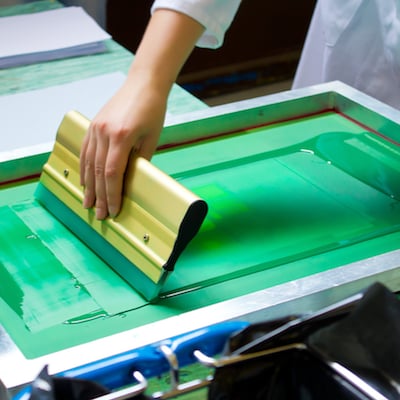
What is a screen-print?
- Show All
- Established
- Discoveries
- Show All
Artworks Related to Screen-print
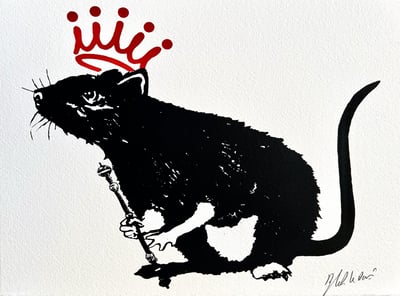
Blek Le Rat
The king, 2023
Limited Edition Print
Screen-print
EUR 1,850

Blek Le Rat
L'anarchiste, 2020
Limited Edition Print
Screen-print
EUR 3,600

Blek Le Rat
The Homeless, 2022
Limited Edition Print
Screen-print
EUR 2,400

Pierre Soulages
Sérigraphie n°15, 1981
Limited Edition Print
Screen-print
EUR 15,500

Joan Mitchell
The New York School, 1960
Limited Edition Print
Screen-print
USD 12,000
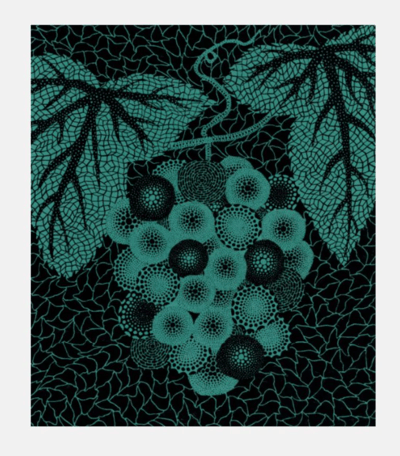
Yayoi Kusama
Grapes (Kusama 29), 1983
Limited Edition Print
Screen-print
GBP 30,000 - 40,000
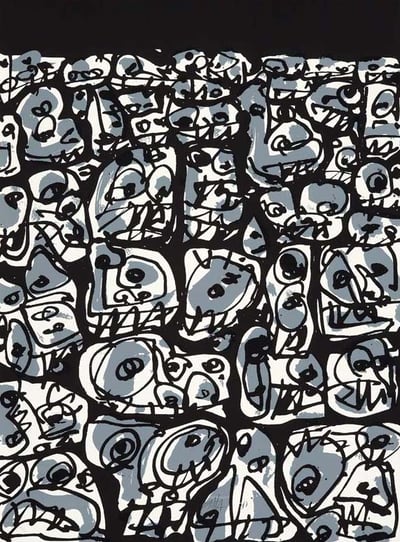
Antonio Saura
Multitud, 1993
Limited Edition Print
Screen-print
EUR 1,650

Andy Warhol
Kimiko, II.237, 1981
Limited Edition Print
Screen-print
Inquire For Price

Andy Warhol
Orchids, 1983
Limited Edition Print
Screen-print
Inquire For Price

Weiwei Ai
Year of the Ox, 2021
Limited Edition Print
Screen-print
Inquire For Price

Ed Ruscha
Red Ants from the Insects Portfolio, 1972
Limited Edition Print
Screen-print
USD 3,700

Ed Ruscha
Pearl Dust Combination from the Insects Portfolio, 1972
Limited Edition Print
Screen-print
USD 3,950

Ed Ruscha
Flies from the Insects Portfolio, 1972
Limited Edition Print
Screen-print
USD 5,000

Ed Ruscha
Black Ants from the Insects Portfolio, 1972
Limited Edition Print
Screen-print
USD 5,000

Mr. Brainwash
Shero, 2020
Limited Edition Print
Screen-print
USD 2,200

Mr. Brainwash
Marilyn For Ever, 2021
Limited Edition Print
Screen-print
USD 1,850
Related Articles


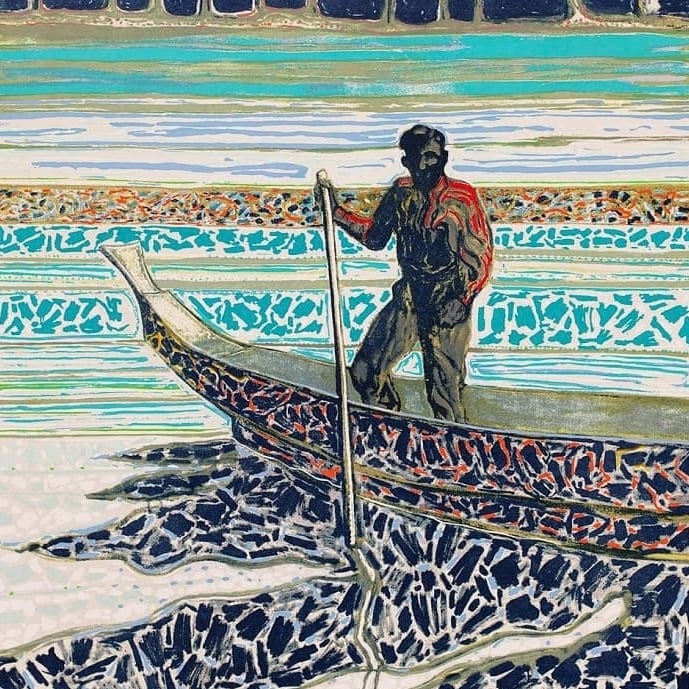
Stuckism is an art movement that promotes figurative painting over conceptual art. It was founded in 1999 by Charles Thomson and Billy Childish with an initial group of 13 artists in Britain. The movement has since expanded to 52 countries with 233 groups worldwide. Several manifestos, issued by Thomson and Childish, advocate for the spirit of modernism and the creation of spiritual art, regardless of medium, subject matter, or style. Stuckism emphasizes the importance of genuine expression and rejects the dominance of conceptual art in the contemporary art scene.

Oil on paper is a technique that allows painters to use economical paper without needing to apply a primer before painting. Artists can combine oil paints with solvents to achieve effects similar to watercolor, such as color washes, spattering, and mingling of colors with thinned paint.
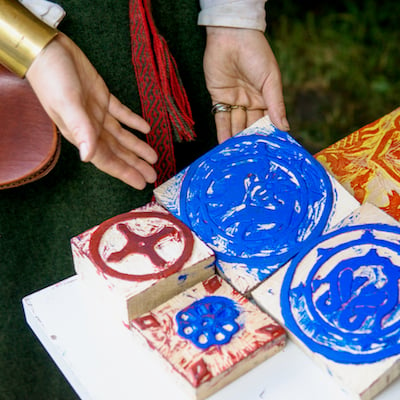
Woodcut is a printing technique where an image is carved into the surface of a woodblock using gouges, with the remaining flat surface holding the ink for printing. The areas cut away by the artist do not carry ink, while the uncut areas do, producing the desired print. The carving follows the wood's grain, unlike wood engraving, where the block is cut across the end-grain. Ink is applied to the surface with a roller, ensuring only the flat, uncarved areas receive ink, leaving the recessed, non-printing areas clean.
Can't find your Answer?
Thank you! Your question has been sent — we'll get back to you shortly.
