

What is contemporary art?
- Show All
- Established
- Discoveries
- Show All
Artworks Related to Contemporary Art
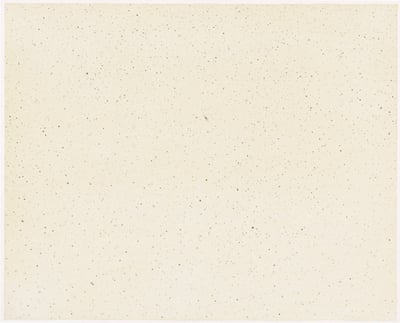
Vija Celmins
Night Sky 1 ( Reversed ), 2002
Limited Edition Print
Mixed Media
USD 21,900
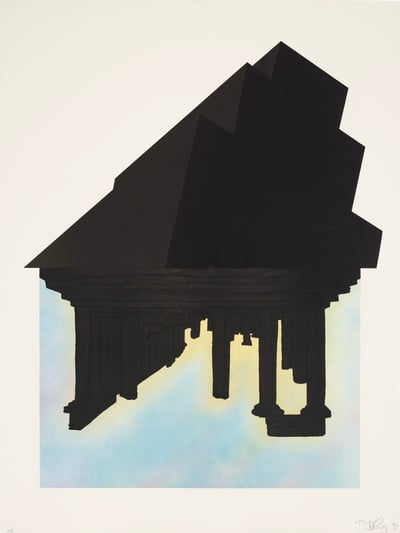
Robert Longo
Black Palms, 1989
Limited Edition Print
Lithograph
USD 2,750
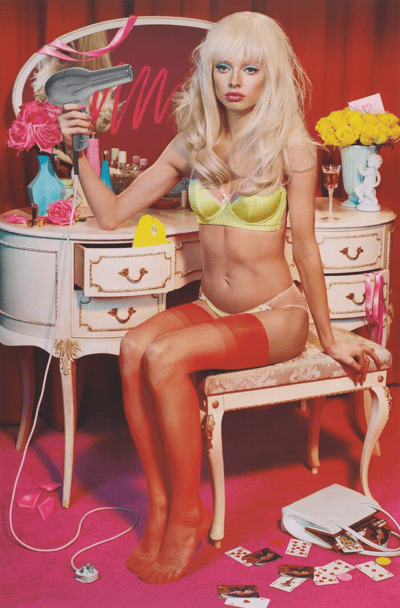
Miles Aldridge
Venus Etcetera (after Velázquez), 2022
Limited Edition Print
Screen-print
Currently Not Available
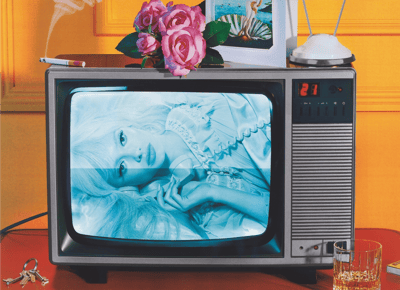
Miles Aldridge
Venus Etcetera (after Botticelli), 2022
Limited Edition Print
Screen-print
EUR 15,000
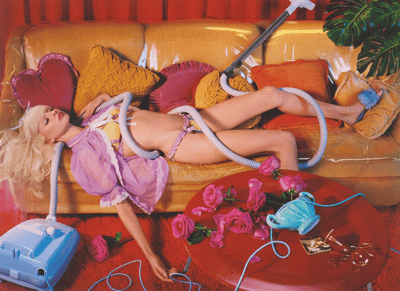
Miles Aldridge
Venus Etcetera (after Veronese), 2022
Limited Edition Print
Screen-print
Currently Not Available
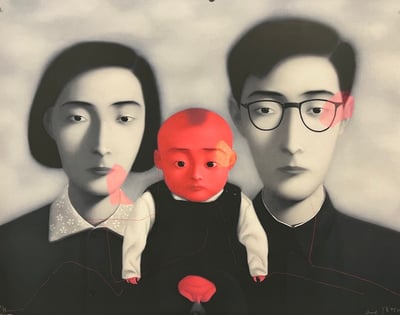
Zhang Xiaogang
Big family, 2006
Limited Edition Print
Lithograph
EUR 10,500
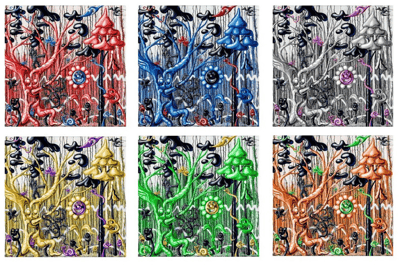
Kenny Scharf
Furungle (Suite of 6), 2021
Limited Edition Print
Mixed Media
USD 29,000
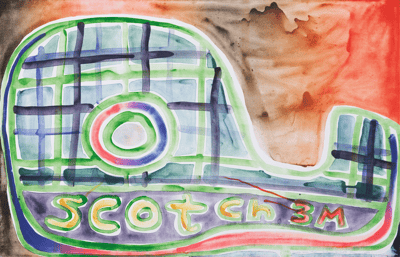
Katherine Bernhardt
Scotch Magic Tape, 2021
Limited Edition Print
Monotype
Currently Not Available

Manolo Valdés
Retratro de mujer con mantilla, 1992
Limited Edition Print
Mixed Media
Currently Not Available

Manolo Valdés
Eva III, 1993
Limited Edition Print
Mixed Media
Currently Not Available
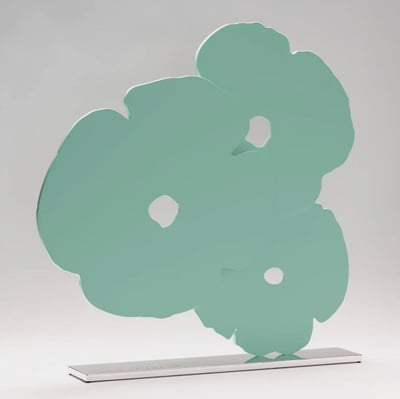
Donald Sultan
Aqua Poppies, 2021
Sculpture / Object
Mixed Media
USD 17,400
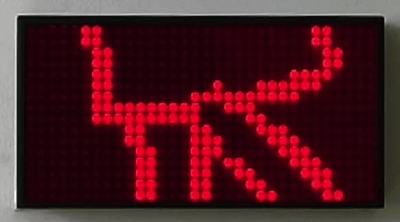
Julian Opie
Walk, 2009
Digital Art
Mixed Media
USD 5,750

Callum Innes
B1, 2022
Limited Edition Print
Etching
Currently Not Available
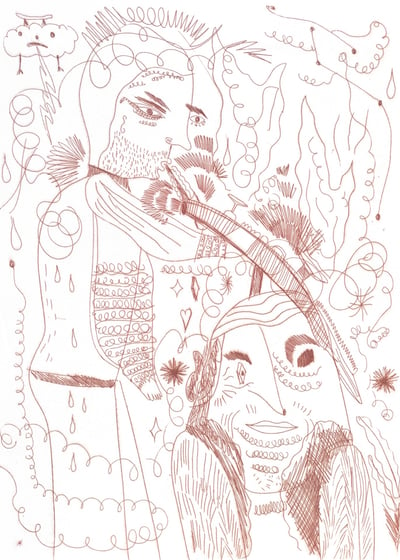
Jaime Hayón
You are a prince, 2022
Limited Edition Print
Etching
EUR 1,500
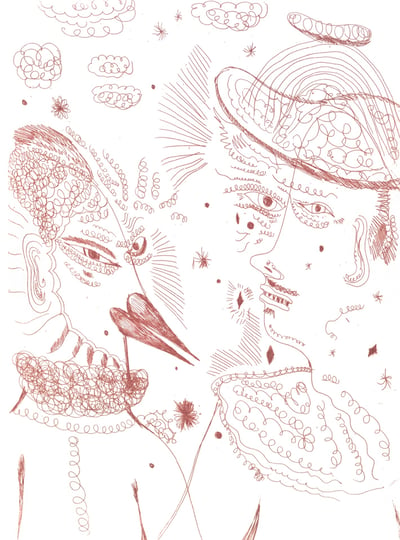
Jaime Hayón
Nowhere to go, 2022
Limited Edition Print
Etching
EUR 1,500
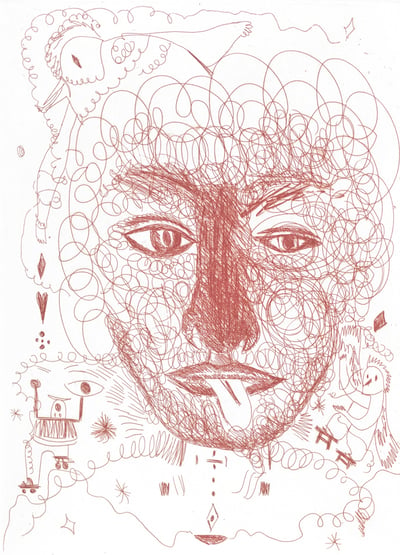
Jaime Hayón
The mediation, 2022
Limited Edition Print
Etching
EUR 1,500
Related Articles

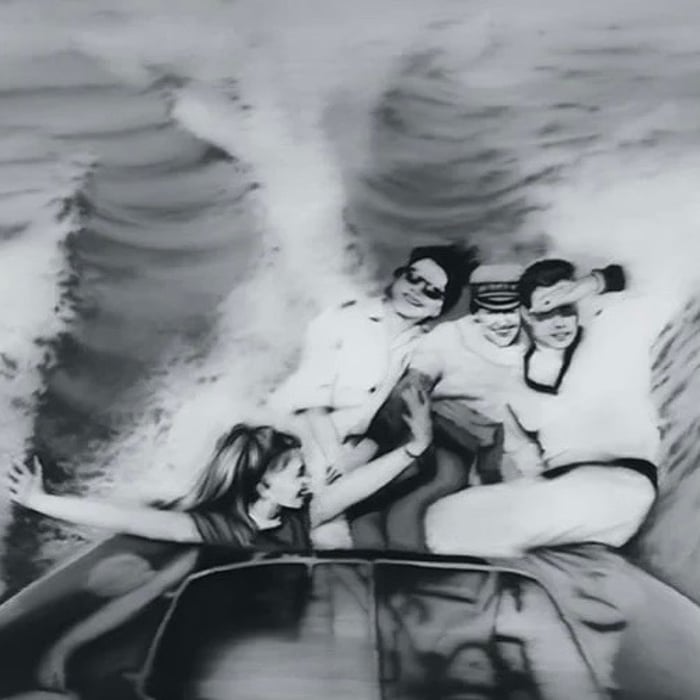


Surrealism began in the 1920s as an art and literary movement with the goal of revealing the unconscious mind and unleashing the imagination by exploring unusual and dream-like imagery. Influenced by Sigmund Freud’s theories of psychoanalysis, Surrealist artists and writers sought to bring the unconscious into rational life, blurring the lines between reality and dreams. The movement aimed to challenge conventional perceptions and express the irrational aspects of the human experience.

Space Art is an artistic genre that depicts the cosmic elements of the universe, including celestial bodies, interstellar space, and space exploration. It began in 1865 with the first science-based illustrations by A. de Neuville and Emile Bayard in Jules Verne’s novel From the Earth to the Moon. Space Art has since evolved to include various forms of visual art inspired by astronomical discoveries and the human imagination, playing a key role in visualizing the wonders of space.

Provenance refers to the chronology of ownership, location, or custody of an artwork. Tracing an object's provenance helps establish its authenticity and historical context by documenting its ownership history, storage locations, and custody over time. This process often involves expert opinions, comparative analysis, and scientific testing to provide evidence of the artwork’s origin and history.
Can't find your Answer?
Thank you! Your question has been sent — we'll get back to you shortly.
