
What is Hard Edge Art?
- Show All
- Established
- Discoveries
- Show All
Artworks Related to Hard Edge art

Carmen Herrera
The Way, 2017
Limited Edition Print
Lithograph
GBP 9,900

Takashi Murakami
Making a U-Turn, The Lost Child Finds His Way Home, 2004
Limited Edition Print
Screen-print
GBP 14,800

Bridget Riley
Fold, 2004
Limited Edition Print
Screen-print
Inquire For Price

Bridget Riley
Intervals 3, Blue / Green, 2021
Limited Edition Print
Screen-print
GBP 8,900
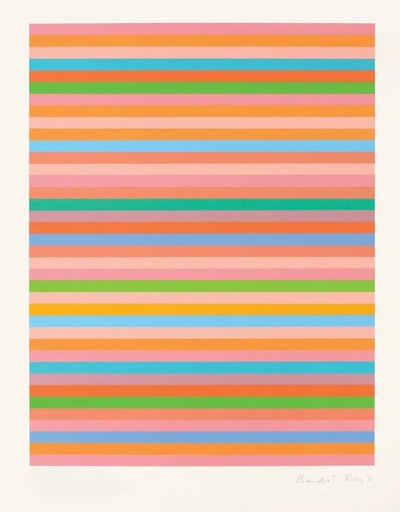
Bridget Riley
Rose Rose, 2011
Limited Edition Print
Screen-print
GBP 17,500
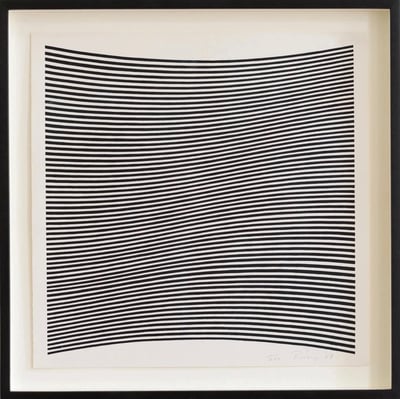
Bridget Riley
La Lune, 1965
Limited Edition Print
Screen-print
GBP 20,000 - 25,000

Invader
Rubik Shot Red Marilyn NVDR1-4, 2023
Limited Edition Print
Mixed Media
USD 6,600

Julian Opie
Imagine you are driving (fast)/Rio, 2002
Limited Edition Print
Lambda print
USD 7,650

Robert Indiana
Summer (Four Seasons of Hope), 2012
Limited Edition Print
Screen-print
USD 5,200
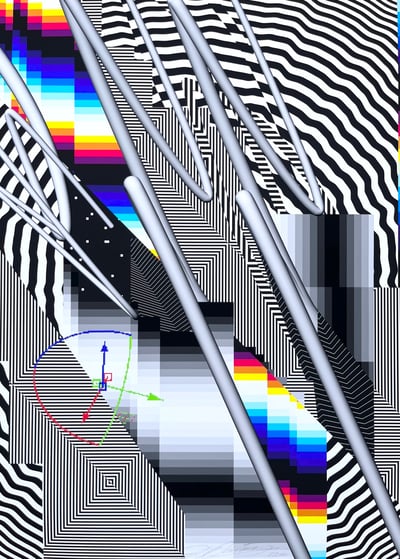
Felipe Pantone
Optichromie 116P, 2023
Limited Edition Print
Digital Print on paper
EUR 900

Joan Miró
Quelques Fleurs IV, 1964
Limited Edition Print
Lithograph
USD 5,890
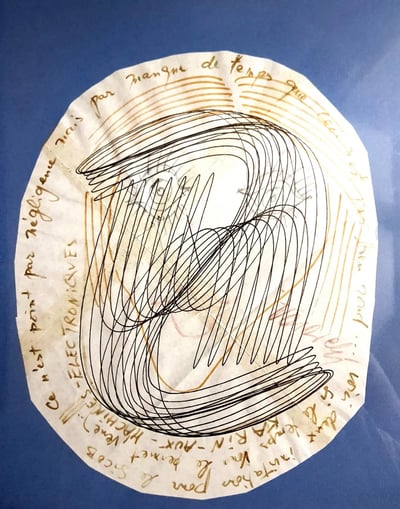
Victor Vasarely
Face, 1970s
Drawing / Watercolor
Pen and ink
EUR 3,650
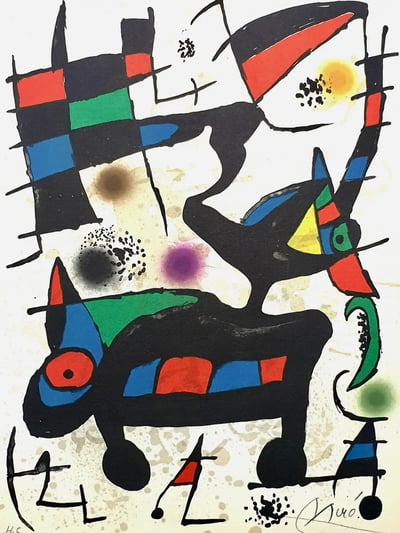
Joan Miró
Plate I from Oda à Joan Miró, 1973
Limited Edition Print
Lithograph
EUR 7,750

Joan Miró
Plate IV from Espriu, 1975
Limited Edition Print
Etching
EUR 19,500

Robert Mangold
Multiple Panel Paintings, suite, 1992
Limited Edition Print
Screen-print
USD 13,200
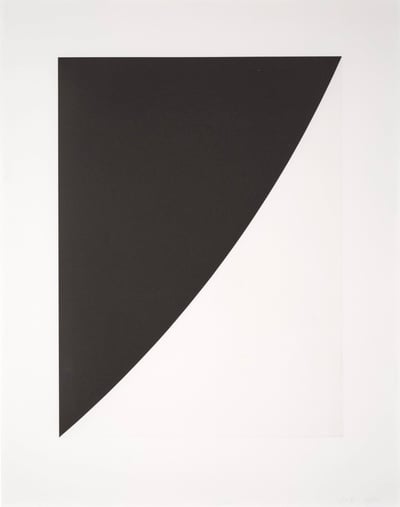
Ellsworth Kelly
Black Variation I, 1973-75
Limited Edition Print
Lithograph
USD 22,000 - 27,000
Related Articles
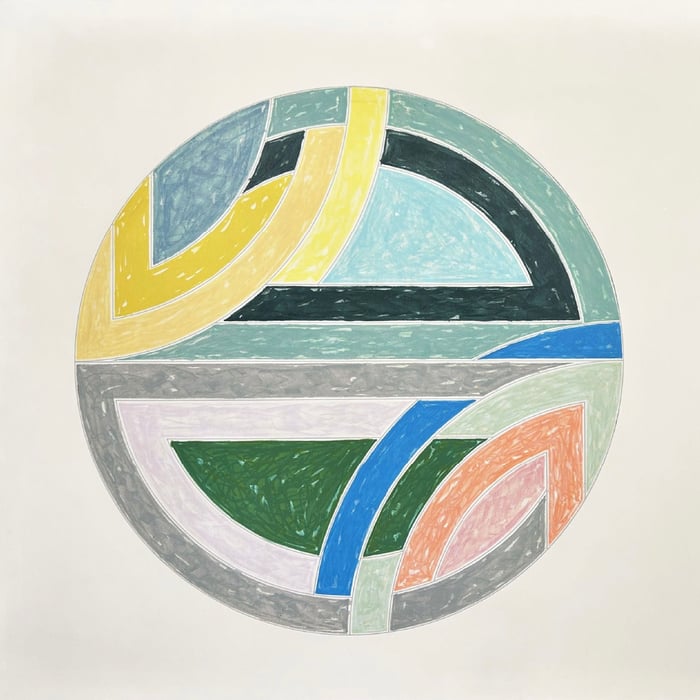
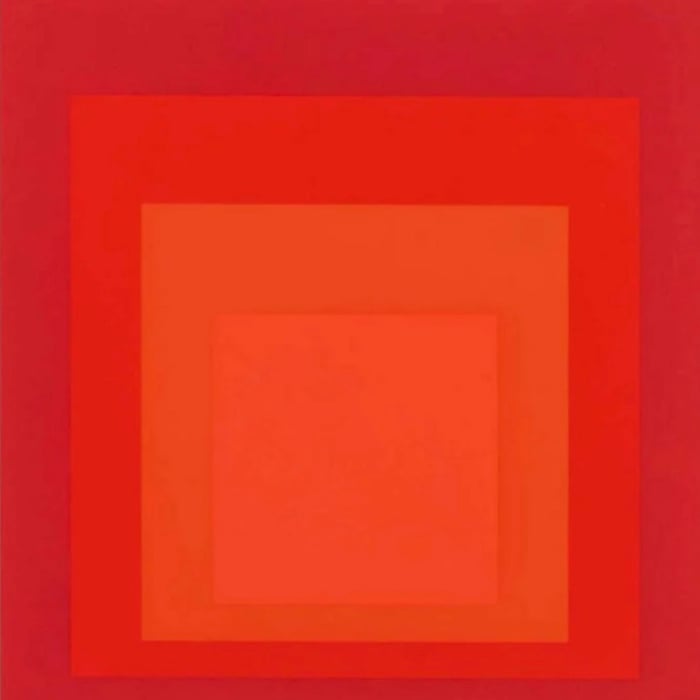

Monochromatic describes paintings, photographs, designs, or drawings that utilize one color or various shades of a single color. Monochromatic objects have a limited range of hues. While the term often refers to black and white or grayscale images, it can also apply to any artwork that contains tones of just one color.

Cubism is an art movement that aimed to depict multiple perspectives of objects or figures within a single picture. Artists Georges Braque and Pablo Picasso pioneered this style around 1907. The name Cubism emerged from their use of geometric shapes and outlines that often resembled cubes, breaking objects down into abstracted forms.

Intaglio is a printmaking technique where a design is incised below the surface of a metal or stone plate. Ink is applied to the plate, filling the incised lines or depressions, while the surface is wiped clean. The ink in the depressions is then transferred to paper using an etching press. Common intaglio techniques include engraving, etching, and drypoint.
Can't find your Answer?
Thank you! Your question has been sent — we'll get back to you shortly.
