

What is late modernism?
- Show All
- Established
- Discoveries
- Show All
Artworks Related to Late modernism

Gunther Uecker
Ouroboros #11, 2018
Limited Edition Print
Sand
EUR 8,000

Gunther Uecker
Ouroboros #10, 2018
Limited Edition Print
Sand
EUR 8,000
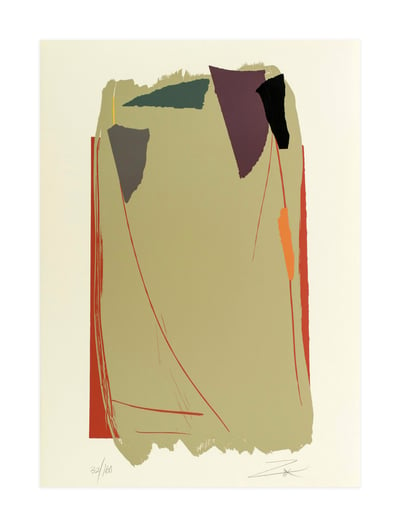
Larry Zox
Grey Sweep I, 1979
Limited Edition Print
Serigraph
Currently Not Available

Antonio Saura
Moi, Planche 12, 1976
Limited Edition Print
Serigraph
EUR 1,880

Antonio Saura
Moi, Planche 14, 1976
Limited Edition Print
Serigraph
EUR 2,650

Lucien Clergue
Picasso En La playa, 1965
Photography
Photograph
EUR 3,125

Lucien Clergue
Picasso
Photography
Photograph
EUR 3,125

Lucien Clergue
Picasso con un cigarro, 1956
Photography
Photograph
EUR 3,125

Martin Chirino
Obra Gráfica, 1973
Limited Edition Print
Etching and Aquatint
EUR 6,250

Sam Francis
Untitled from the Papierski Portfolio, 1992
Limited Edition Print
Lithograph
EUR 6,000

Antonio Saura
Atal, 1983
Limited Edition Print
Silkscreen
EUR 2,100
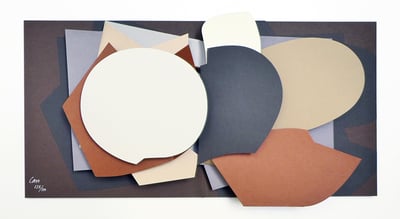
Anthony Caro
Leaf Pool, 1996 - 2000
Limited Edition Print
Assemblage
EUR 2,500 - 4,000

Anthony Caro
Untitled (Human Figure), 2003
Limited Edition Print
Lithograph
EUR 1,600

Red Grooms
Los Aficionados , 1990
Sculpture / Object
Mixed Media
USD 5,800

Sam Francis
Metal Line, 1971
Limited Edition Print
Lithograph
USD 8,500

Claes Oldenburg
Mermaid
Limited Edition Print
Etching
EUR 2,400
Related Articles


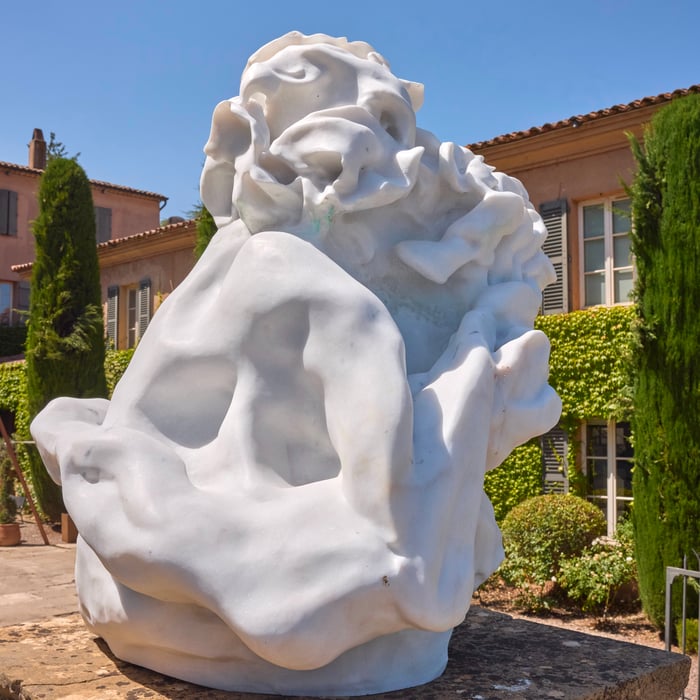

Performance Art is a genre of fine art that is traditionally interdisciplinary, involving various art forms. It can be scripted or unscripted, random or carefully orchestrated, spontaneous, or meticulously planned, with or without audience participation. Performance Art can be presented live or through media, with the artist either present or absent. It typically involves four basic elements: space, the performer’s body or presence through a medium, time, and the relationship between performer and audience. The artwork consists of actions performed by an individual or group in a specific time and space.

An object in art refers to any tangible thing that exists and can be depicted in a work of art. Sometimes, the object becomes the focal point of a painting, drawing, or sculpture, meaning it is the most important element in the composition. An object can be anything that can be seen or touched, and it is often used to convey meaning or emphasize certain aspects of the artwork.
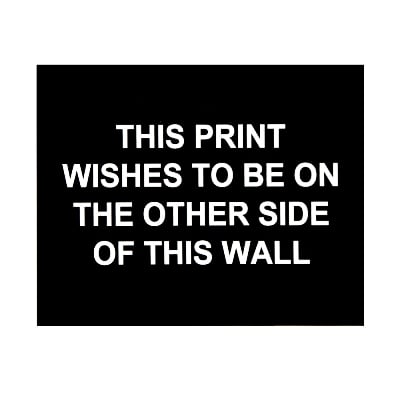
Lettrism is an art form that uses letters, words, and symbols to create artwork. The movement was established in Paris in the 1940s and later gained popularity in the 1950s in America. Lettrisme is the French spelling of the movement's name, derived from the French word for letter.
Can't find your Answer?
Thank you! Your question has been sent — we'll get back to you shortly.
