

What is late modernism?
- Show All
- Established
- Discoveries
- Show All
Artworks Related to Late modernism

Man Ray
Symphony ou Orchestra, 1970
Limited Edition Print
Etching and Aquatint
EUR 4,375

Andy Warhol
Rats and Star Band Member #2 , 1983
Drawing / Watercolor
Pencil
EUR 32,000
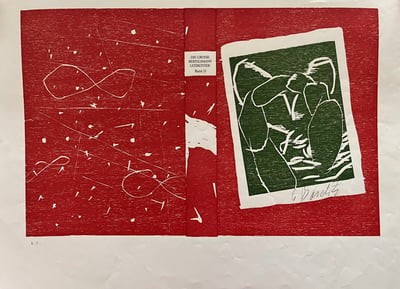
Georg Baselitz
Die Grosse..., 1992
Limited Edition Print
Serigraph
EUR 1,550
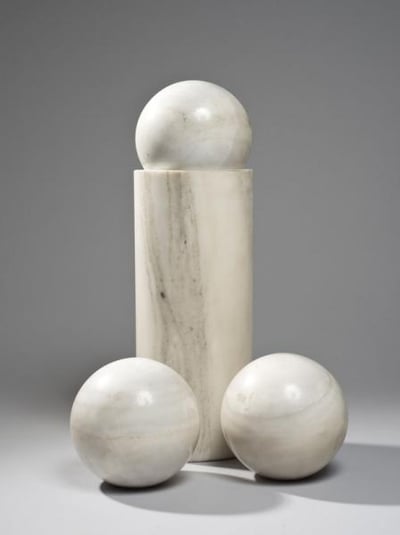
Man Ray
Pynape, 1975
Sculpture / Object
Marble
Currently Not Available

Joan Mitchell
Tree I, 1990
Limited Edition Print
Lithograph
Currently Not Available
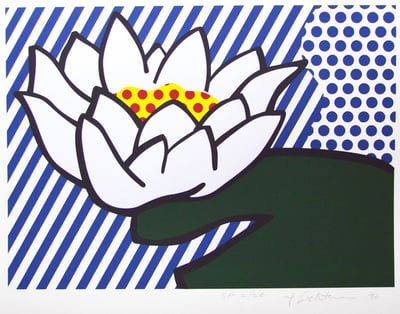
Roy Lichtenstein
Water Lily, 1993
Limited Edition Print
Screen-print
Currently Not Available
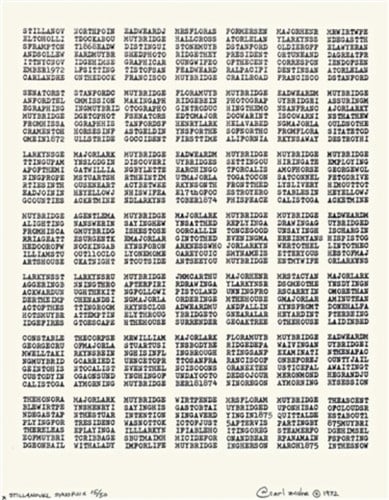
Carl Andre
Still Novel Synopsis, 1972
Limited Edition Print
Inkjet print
Currently Not Available
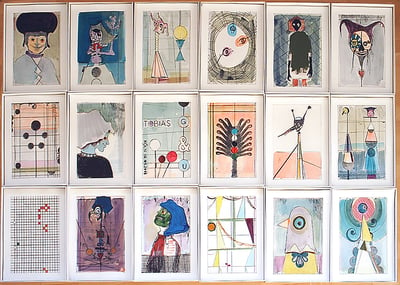
Gert & Uwe Tobias
Ohne Titel - portfolio (18), 2008
Limited Edition Print
Drypoint
EUR 13,500

Mario Merz
Ohne Titel
Limited Edition Print
Lithograph
Currently Not Available
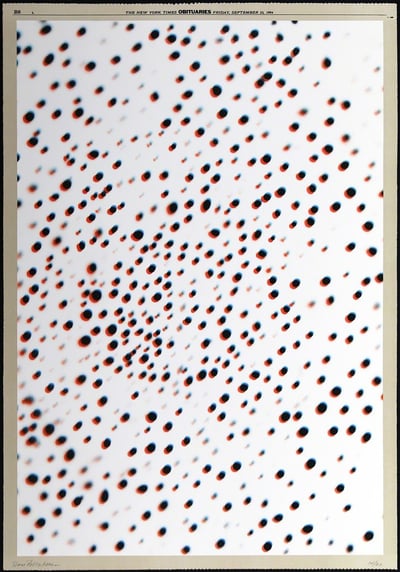
Ross Bleckner
September 23rd, 2016
Limited Edition Print
Lithograph
EUR 1,800
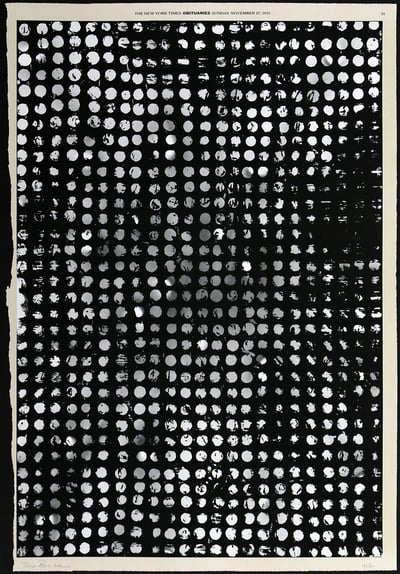
Ross Bleckner
November 27th, 2016
Limited Edition Print
Lithograph
EUR 1,800

Ross Bleckner
November 29th, 2016
Limited Edition Print
Lithograph
EUR 1,800
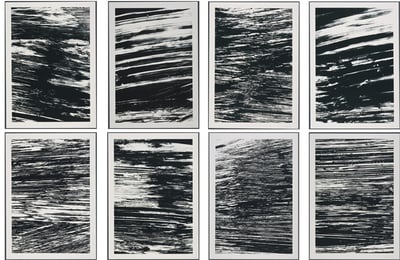
Ellsworth Kelly
States of the River (portfolio of 8), 2005
Limited Edition Print
Lithograph
USD 160,000 - 190,000
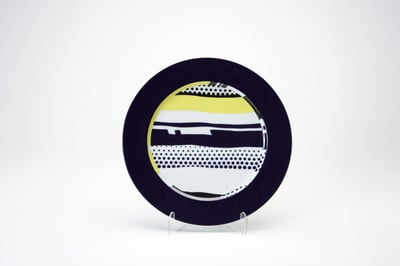
Roy Lichtenstein
Rosenthal plate 1, 2000
Sculpture / Object
Plate
EUR 700
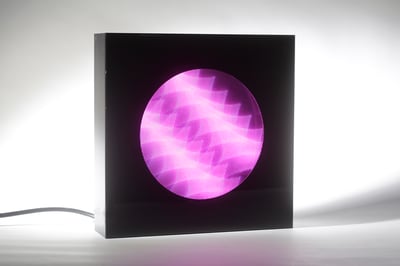
Horacio García Rossi
Boite à lumières, 2012
Sculpture / Object
Mixed Media
EUR 3,000
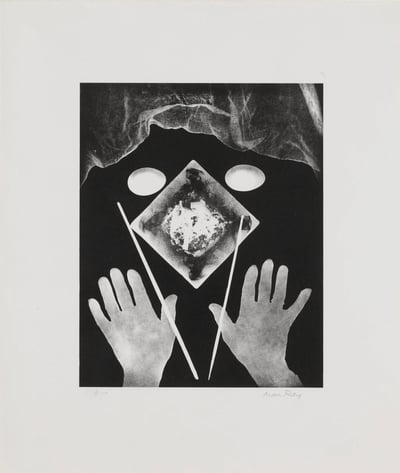
Man Ray
Untitled - (MR66-1194), 1966
Limited Edition Print
Lithograph
USD 19,500
Related Articles



Resin can be derived from both natural sources, such as pine sap, and synthetic processes. Natural resin comes from tree sap, while synthetic resin is a type of dense, easily molded plastic. Resin is commonly used in sculpture, and it can also enhance the vibrancy of paint colors.
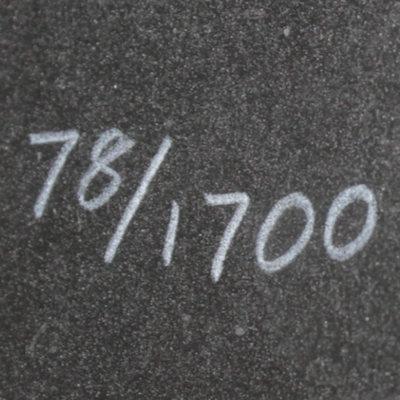
In art, an edition refers to the total number of identical or closely similar items produced as a set. This often applies to prints, such as lithographs, where multiple copies are made from a single original. An edition can also refer to works that are closely related to the original version of an artwork, such as variations or replicas.

Perspective refers to the techniques artists use to represent three-dimensional objects on a two-dimensional surface. These techniques create the illusion of depth and space, making objects appear as they do in the real world, despite the limitations of a flat surface. Common types of perspective include linear and atmospheric perspective.
Can't find your Answer?
Thank you! Your question has been sent — we'll get back to you shortly.
