

What is late modernism?
- Show All
- Established
- Discoveries
- Show All
Artworks Related to Late modernism
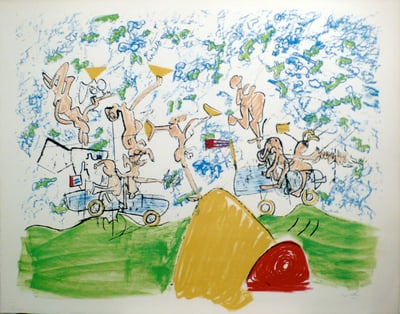
Roberto Matta
Fog Gog Magog (2), 1971
Limited Edition Print
Lithograph
USD 1,500

Robert Longo
Solid Vision, 1989
Limited Edition Print
Lithograph
USD 8,500

Larry Bell
Barcelona #5, 1988
Limited Edition Print
Lithograph
Currently Not Available

Larry Bell
Barcelona #10, 1988
Limited Edition Print
Lithograph
Currently Not Available
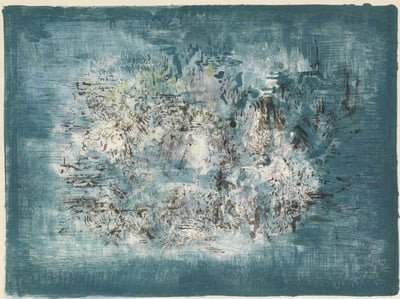
Zao Wou-Ki
Petit Jardin, 1956
Limited Edition Print
Lithograph
EUR 10,000

Zao Wou-Ki
Untitled (A. 127), 1960
Limited Edition Print
Lithograph
EUR 5,000
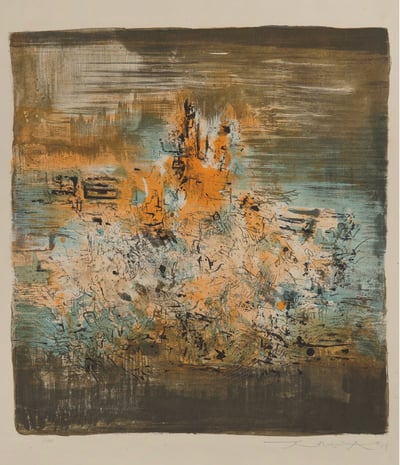
Zao Wou-Ki
Untitled (A.121), 1959
Limited Edition Print
Lithograph
EUR 10,000

Zao Wou-Ki
Untitled (A. 394), 1998
Limited Edition Print
Lithograph
EUR 6,000

Zao Wou-Ki
Untitled (A. 390), 1998
Limited Edition Print
Lithograph
EUR 6,000

Claes Oldenburg
Injun Foster, 1973
Limited Edition Print
Silkscreen
EUR 2,800
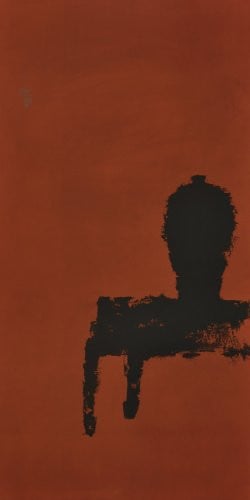
Huai-Qing Wang
Peace , 2012
Limited Edition Print
Etching
EUR 3,800

Huai-Qing Wang
The Families 2, 2012
Limited Edition Print
Etching
EUR 3,300
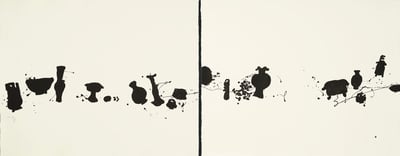
Huai-Qing Wang
The Families 1 , 2012
Limited Edition Print
Etching
EUR 4,300

Huai-Qing Wang
Day Bed-2, 2006
Limited Edition Print
Etching
EUR 4,300
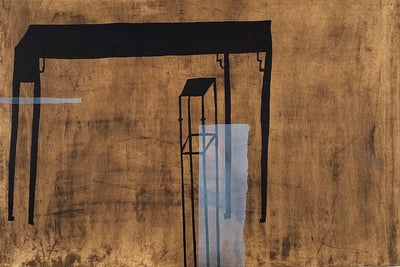
Huai-Qing Wang
Stand , 2008
Limited Edition Print
Etching
Currently Not Available
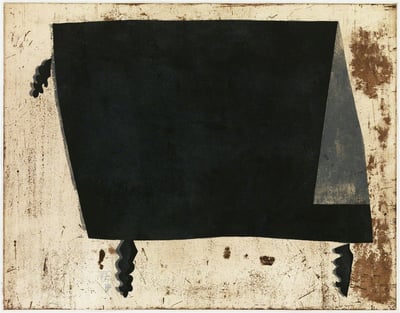
Huai-Qing Wang
Moon Light on the Table , 2008
Limited Edition Print
Etching
EUR 4,300
Related Articles



Bricolage is the creation or construction of a piece of art using materials that are readily available to the artist. The term is French and roughly translates to do-it-yourself. This approach became popular when materials were scarce, encouraging artists to improvise and repurpose everyday objects. Bricolage emphasizes creativity and resourcefulness, often resulting in artworks that reflect the unique character of the materials used.
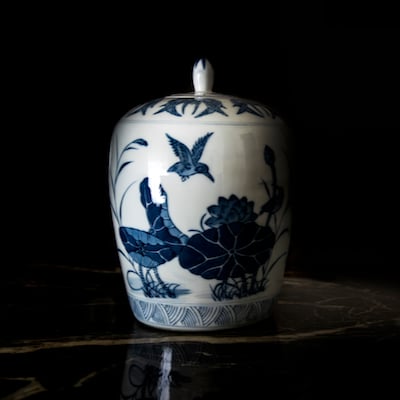
Porcelain is a hard, durable material made from clay, primarily composed of the mineral kaolinite. It is fired at high temperatures, resulting in a fine, white, and often translucent finish. Porcelain is used to create art objects and a wide range of household items such as dishes and bowls. Porcelain items are especially popular for painting with special glazes due to their smooth surface and ability to hold intricate designs.

Screen printing is a technique where ink is transferred through a mesh onto a substrate, with areas blocked by a stencil to prevent ink from passing through. This method, also known as serigraphy or silkscreen printing, is commonly used to produce prints on posters, T-shirts, vinyl, stickers, wood, and other materials. The process is a type of stencil printing, allowing for vibrant, detailed designs on various surfaces.
Can't find your Answer?
Thank you! Your question has been sent — we'll get back to you shortly.
