

What is late modernism?
- Show All
- Established
- Discoveries
- Show All
Artworks Related to Late modernism

Huai-Qing Wang
Half Table Half Chair , 2008
Limited Edition Print
Etching
EUR 4,300

Huai-Qing Wang
Searching , 2008
Limited Edition Print
Etching
EUR 4,300

Huai-Qing Wang
A Table in Two Dimension , 2008
Limited Edition Print
Etching
EUR 4,000

Huai-Qing Wang
Another Space , 2002
Limited Edition Print
Etching
EUR 4,300
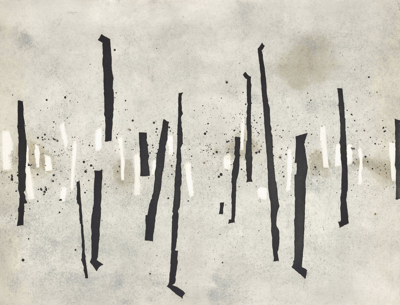
Huai-Qing Wang
Walking , 2006
Limited Edition Print
Etching
EUR 4,300
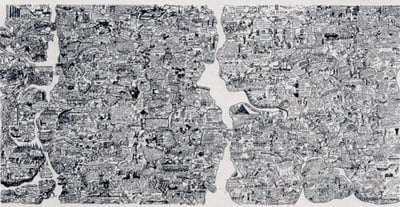
Oyvind Fahlstrom
World map, 1973
Limited Edition Print
Silkscreen
Currently Not Available
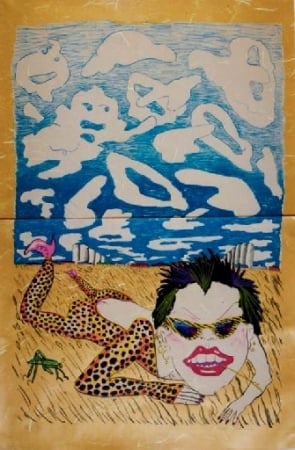
Red Grooms
Lorna Doone, 1979
Limited Edition Print
Lithograph
USD 1,200

Man Ray
Noire et Blanche, 1933/85
Limited Edition Print
Mixed Media
Currently Not Available
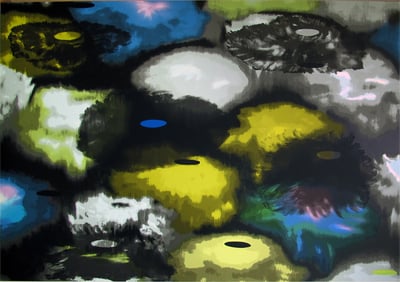
Ross Bleckner
Dream and Do I, 1997
Limited Edition Print
Screen-print
USD 3,400

Ross Bleckner
Dream and Do II, 1997
Limited Edition Print
Screen-print
USD 3,400
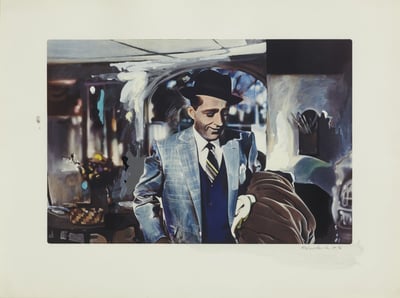
Richard Hamilton
I'm dreaming of a black Christmas, 1971
Limited Edition Print
Screen-print
Currently Not Available

Victor Vasarely
Drawing I
Drawing / Watercolor
Mixed Media
EUR 4,500

Victor Vasarely
Drawing II
Drawing / Watercolor
Mixed Media
EUR 4,500
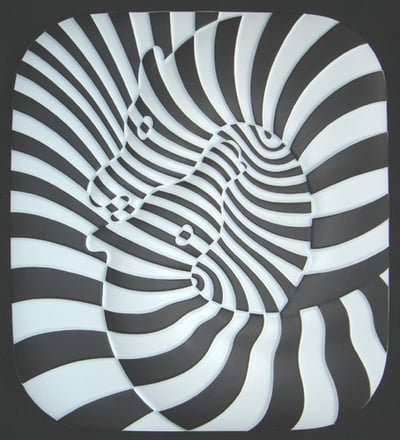
Victor Vasarely
Zebra Ceramique, 1977
Sculpture / Object
Ceramic
EUR 1,600
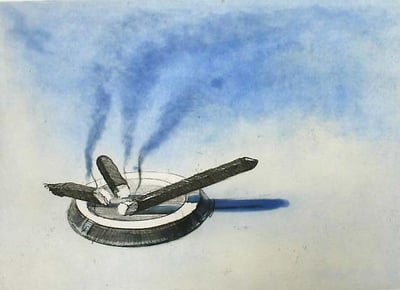
Thiebaud Wayne
Cigars, 1979
Limited Edition Print
Etching
Currently Not Available
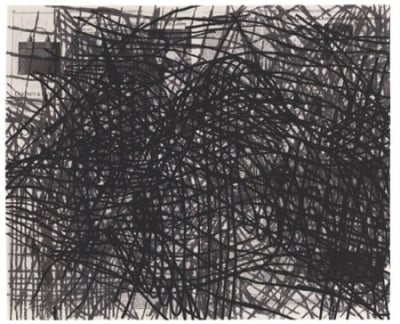
Terry Winters
Untitled (From the Doctors of the World portfolio) , 2001
Limited Edition Print
Digital Print on paper
Currently Not Available
Related Articles



A silver gelatin print is a type of photographic print made using the silver process. In this process, photographic materials such as black and white films and printing papers are coated with a light-sensitive emulsion of silver salts suspended in gelatin. This emulsion is applied to a support, which could be flexible plastic, glass, resin-coated paper, or baryta paper. The materials are light-sensitive and remain stable under normal storage conditions, making them ideal for long-term preservation.

Lithography is a printing method based on the principle that water and oil do not mix. It can be used to print artwork or text onto paper or other suitable materials. Traditionally, an image was drawn with wax, fat, or oil onto a lithographic limestone surface or plate. Today, metal plates and other surfaces are also used in lithographic printing.

Lyrical abstraction is a descriptive term characterizing a type of abstract painting closely related to Abstract Expressionism, in use from the 1940s to the present. The term can also describe two distinct but related trends in post-World War II modernist painting. This art movement originated in Paris, France, after the war, emphasizing personal expression, spontaneity, and the emotional use of color and form.
Can't find your Answer?
Thank you! Your question has been sent — we'll get back to you shortly.
