

What is late modernism?
- Show All
- Established
- Discoveries
- Show All
Artworks Related to Late modernism
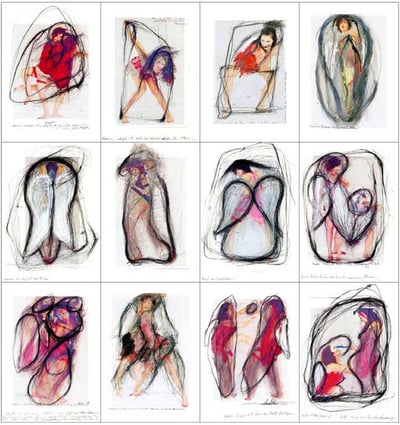
Arnulf Rainer
Unfinished Into Death II (12), 2011
Photography
Photograph
EUR 7,100

Arnulf Rainer
Unfinished Into Death ( 12), 2011
Photography
Photograph
EUR 7,100

Jasper Johns
Untitled (Faces on purple), 1988
Limited Edition Print
Carborundum
USD 21,000 - 30,000
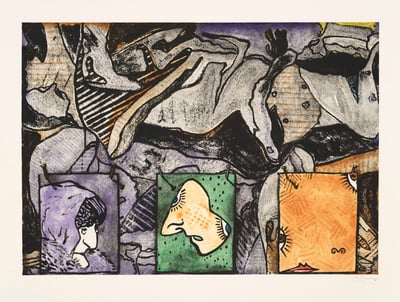
Jasper Johns
Untitled - Faces (ULAE 243), 1988
Limited Edition Print
Carborundum
USD 41,000 - 45,000

Robert Rauschenberg
Opal Gospel, 1971
Sculpture / Object
Screen-print
USD 13,000 - 15,000
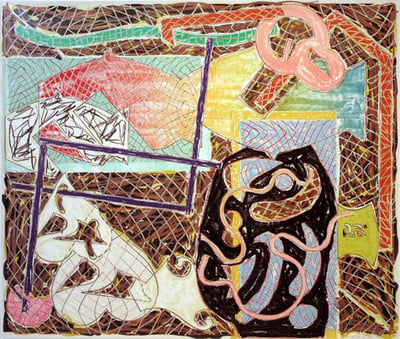
Frank Stella
Shards II, 1982
Limited Edition Print
Lithograph
USD 19,500
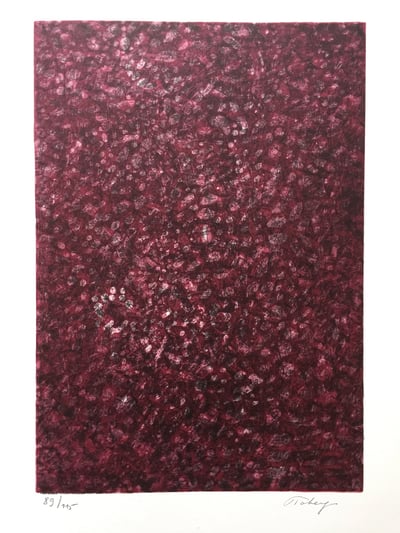
Mark Tobey
Jean Cassau
Limited Edition Print
Lithograph
Currently Not Available

Henry Moore
Figures In A Forest, 1976
Limited Edition Print
Lithograph
EUR 1,650

Antonio Saura
Moi, Planche 2, 1976
Limited Edition Print
Serigraph
EUR 1,880

Antonio Saura
Moi, Planche 4, 1976
Limited Edition Print
Serigraph
EUR 1,875

Antonio Saura
Moi, Planche 5, 1976
Limited Edition Print
Serigraph
EUR 2,650
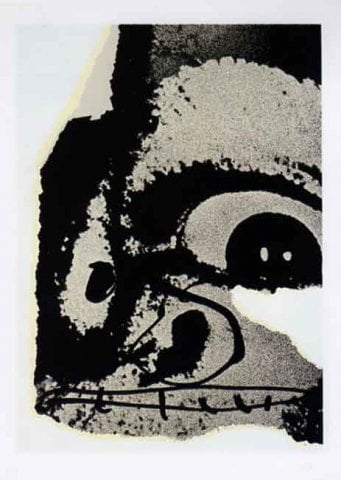
Antonio Saura
Moi, Planche 6, 1976
Limited Edition Print
Serigraph
EUR 1,875
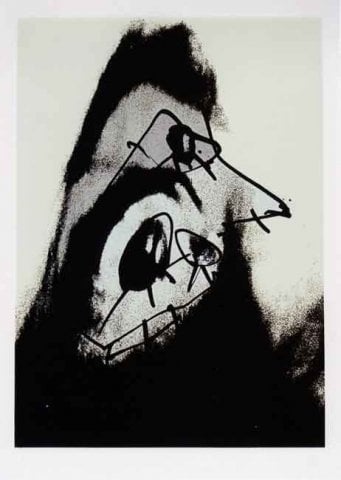
Antonio Saura
Moi, Planche 8, 1976
Limited Edition Print
Serigraph
EUR 2,650
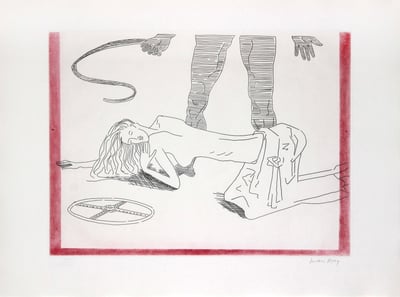
Man Ray
Donna, 1970
Limited Edition Print
Etching
EUR 2,750

Man Ray
Le Concert, 1970
Limited Edition Print
Etching
EUR 2,750

Man Ray
La ballade des dames hors du temps, 1970
Limited Edition Print
Etching and Aquatint
EUR 2,750
Related Articles


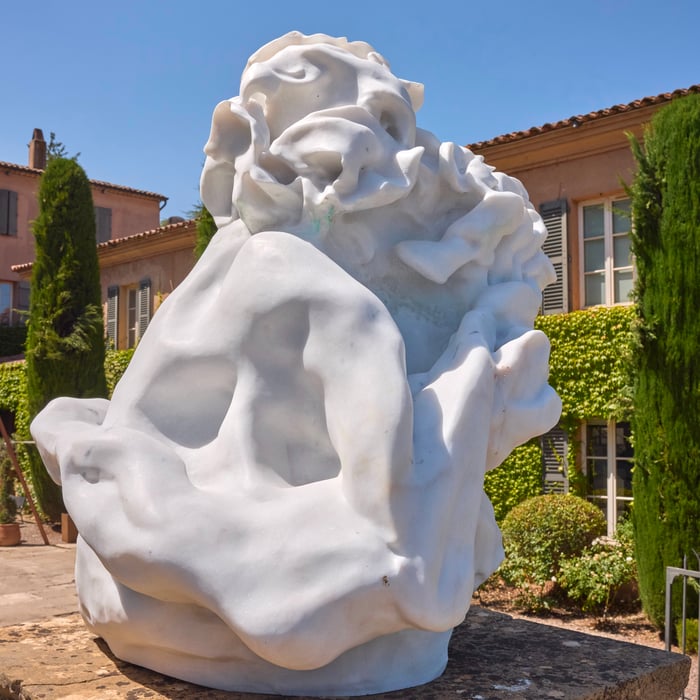
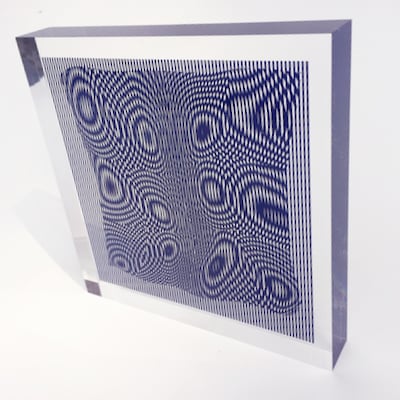
Acrylic sculpture refers to both a process and the resulting object. The artist begins by creating a sculpture from clay, plaster, or epoxy, which is then used to make a flexible mold. Melted acrylic is poured into the mold, and once it cures, the acrylic piece is hand-finished through sanding and polishing. Acrylic sculptures are valued for their clarity, durability, and ability to achieve intricate details.

Minimalism is a style in music and visual arts characterized by pared-down designs and simplicity. It began in Western art after World War II, gaining prominence particularly in American visual arts. Minimalism draws heavily on aspects of modernism and is often viewed as a reaction against Abstract Expressionism, as well as a precursor to post-minimal art practices. Prominent minimalist artists include Agnes Martin, Donald Judd, Robert Morris, Frank Stella, and Dan Flavin.

Engraving is a printmaking technique where a metal plate or surface is directly cut using a sharp engraving tool called a burin. The tool creates deep lines or grooves, which are then filled with ink. The plate is pressed onto paper with heavy pressure, transferring the inked image. This process results in a clear and precise print.
Can't find your Answer?
Thank you! Your question has been sent — we'll get back to you shortly.
