
What is minimalism?
- Show All
- Established
- Discoveries
- Show All
Artworks Related to Minimalism
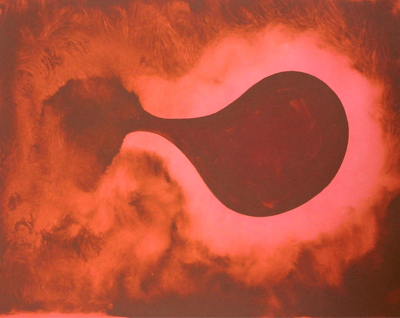
Anish Kapoor
Untitled 09, 2007
Limited Edition Print
Etching
EUR 9,000

Anish Kapoor
Door, 1991
Limited Edition Print
Aquatint
EUR 9,000

Anish Kapoor
Untitled (12), 1988
Limited Edition Print
Aquatint
EUR 11,500

Anish Kapoor
Untitled (III), 1988
Limited Edition Print
Aquatint
EUR 11,500

Josef Albers
Astatic (Danilowitz 116), 1944
Limited Edition Print
Woodcut
USD 10,200

Frank Stella
Sharpesville, from Multicolored Squares I, 1972
Limited Edition Print
Lithograph
USD 7,000

Brice Marden
Tiles, 1979
Limited Edition Print
Etching and Aquatint
USD 5,370

Robert Mangold
Untitled II, 2007
Limited Edition Print
Etching and Aquatint
USD 6,000

Ellsworth Kelly
Blue, Red-Orange, Green, 1970-1971
Limited Edition Print
Lithograph
USD 23,000

Vija Celmins
Comet, 1992
Limited Edition Print
Linocut
USD 32,500

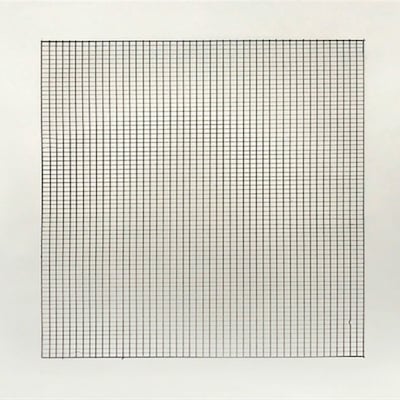
Agnes Martin
Untitled (from Paintings and Drawings: 1974-1990), 1991
Limited Edition Print
Lithograph
EUR 8,600
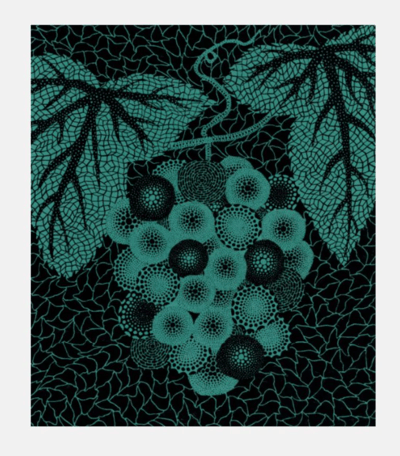
Yayoi Kusama
Grapes (Kusama 29), 1983
Limited Edition Print
Screen-print
GBP 30,000 - 40,000

Weiwei Ai
Year of the Ox, 2021
Limited Edition Print
Screen-print
Inquire For Price
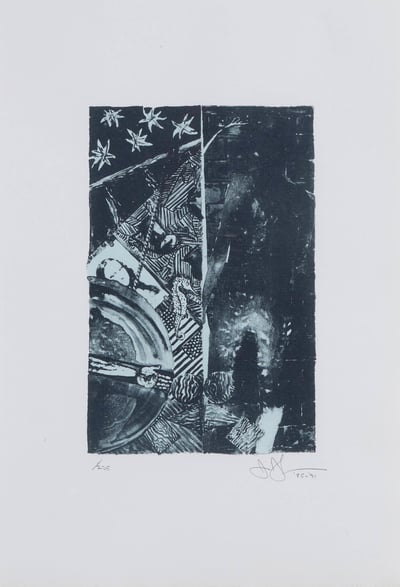
Jasper Johns
Summer (Blue), 1985-91
Limited Edition Print
Lithograph
USD 4,690

Yayoi Kusama
Vase (2) (Kusama 167), 1992
Limited Edition Print
Lithograph
GBP 17,000 - 21,000
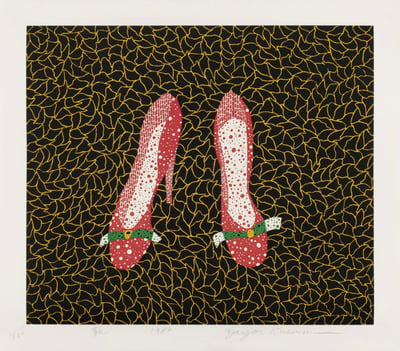
Yayoi Kusama
Shoes (Kusama 30), 1984
Limited Edition Print
Screen-print
GBP 28,000 - 35,000
Related Articles

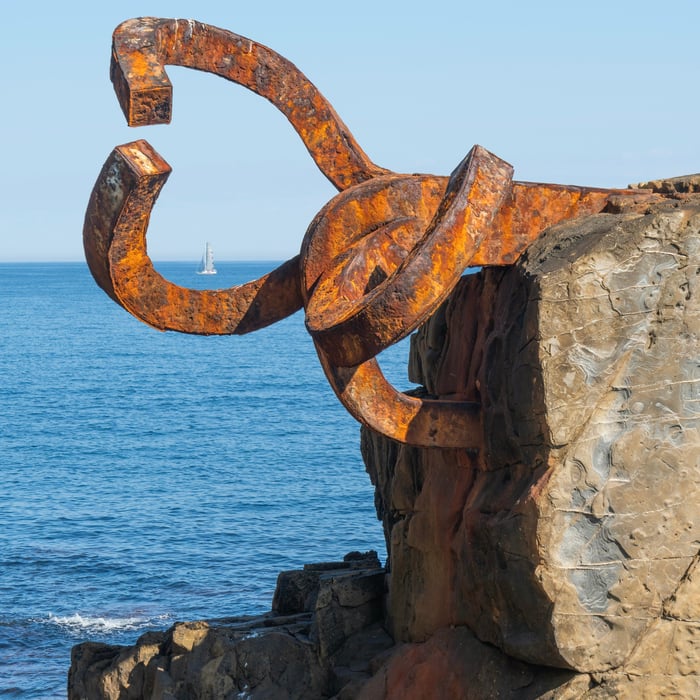


Constructivism is an architectural and artistic philosophy of Russian origin that emerged as a rejection of the idea of autonomous art. The movement advocated for art to serve practical social purposes. Since its inception in 1919, Constructivism has evolved and significantly impacted 20th-century art movements, influencing major trends such as De Stijl and Bauhaus.

Sometimes known as Figurativism, figurative art refers to sculptures and paintings that are clearly or specifically derived from real objects, making them representational. The term figurative art is often used in contrast to abstract art. However, since the emergence of abstract art, figurative art has come to describe any form of modern art that has strong references to the real world or actual situations.
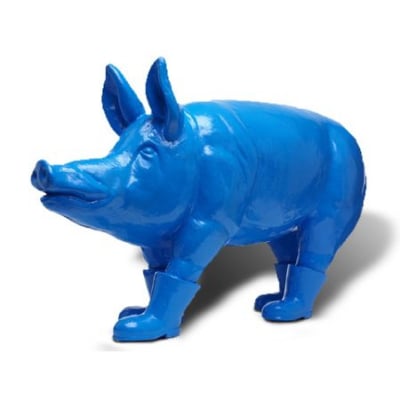
Environmental art is a collective term that refers to a wide range of artistic practices and works that engage with historical and ecological themes. The term often encompasses ecological concerns, although it is not exclusively defined by them. Environmental art acknowledges and appreciates the early history of the environmental art movement, including works with activist themes and those celebrating the connection between nature and the artist through the use of natural materials.
Can't find your Answer?
Thank you! Your question has been sent — we'll get back to you shortly.
