

What is mixed media?
- Show All
- Established
- Discoveries
- Show All
Artworks Related to Mixed Media
Frank Stella
Private Listing
Drawing / Watercolor
Frank Stella
Private Listing
Sculpture / Object

Frank Stella
Polar Co-ordinates VIII, from Polar Co-ordinates for Ronnie Peterson, 1980
Limited Edition Print
Mixed Media
Currently Not Available

Damien Hirst
Beautiful, Strongest Possible, Yet Unknown Bursting River Painting, 2023
Painting
Mixed Media
USD 10,350

Donald Sultan
Mimosa, Oct. 2, 2006, 2006
Limited Edition Print
Mixed Media
USD 7,950

Jim Dine
The Hand-Colored Viennese Hearts III, 1990
Limited Edition Print
Mixed Media
USD 10,800

Damien Hirst
Mercy - H9-3 (The Virtues), 2021
Limited Edition Print
Mixed Media
GBP 16,500

Claes Oldenburg
London Knees, 1966
Sculpture / Object
Mixed Media
Currently Not Available

Frank Stella
Inaccessible Island Rail, 1977
Limited Edition Print
Mixed Media
USD 17,750

Frank Stella
Shards I, 1982
Limited Edition Print
Mixed Media
Inquire For Price

Frank Stella
Shards Variant Ia, 1982
Limited Edition Print
Mixed Media
Currently Not Available

Jordi Alcaraz
Sense títol I, 2024
Limited Edition Print
Mixed Media
Currently Not Available

Damien Hirst
Eternal Sleep (Satin), 2017
Sculpture / Object
Mixed Media
EUR 22,000
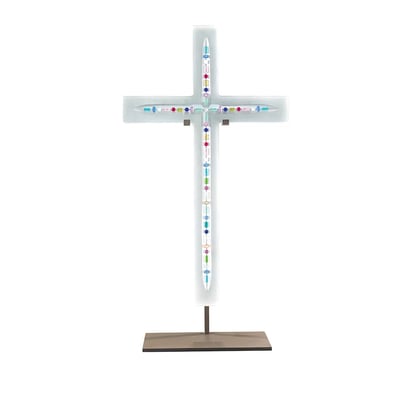
Damien Hirst
Eternal Belief, 2017
Sculpture / Object
Mixed Media
Inquire For Price

Damien Hirst
Fruitful, Large, 2020
Limited Edition Print
Mixed Media
EUR 2,500

Damien Hirst
Eternal Love (Clear & Gold), 2015
Sculpture / Object
Mixed Media
EUR 23,000
Related Articles


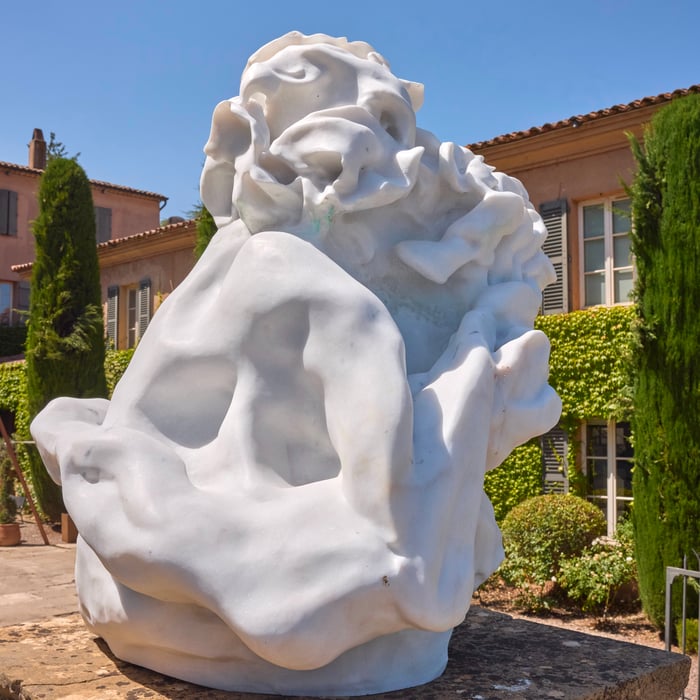

Appropriation in art involves using pre-existing images or objects with little or no modification. This technique has played a significant role across various art forms, including visual arts, music, performance, and literature. In visual arts, appropriation refers to the practice of adopting, sampling, recycling, or borrowing elements—or even entire forms—of existing visual culture, integrating them into new works to create meaning or critique.
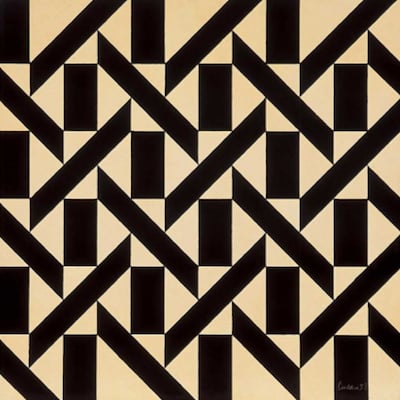
Grupo Ruptura was an organization formed in Brazil by artists who sought to break away from traditional naturalist painting in favor of geometric abstract art. In the early 1950s, the group published the Ruptura Manifesto, advocating for new art for a new country. The manifesto emphasized a departure from the past and a commitment to innovation, aligning with the modernist vision of Brazil as a forward-looking nation.
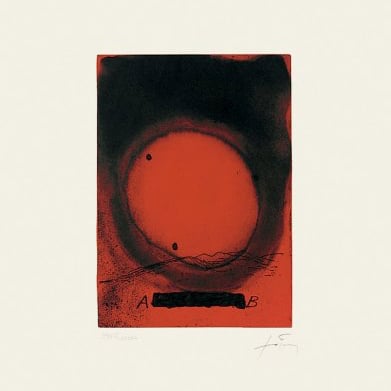
A movement and style in art that originated in Italy during the 1960s. It integrates elements of minimalism, performance art, and conceptual art by using everyday or seemingly worthless materials, such as newspapers, stones, or rags. The goal was to challenge and subvert the commercialization of art.
Can't find your Answer?
Thank you! Your question has been sent — we'll get back to you shortly.
