

What is pop-art?
- Show All
- Established
- Discoveries
- Show All
Artworks Related to Pop art

Richard Phillips
Canyons II, 2015
Limited Edition Print
Pigment print
Currently Not Available
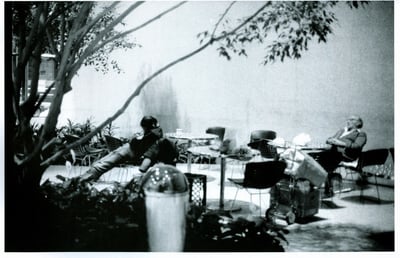
Dan Graham
Park Avenue Atrium, 1997
Photography
Photograph
Currently Not Available
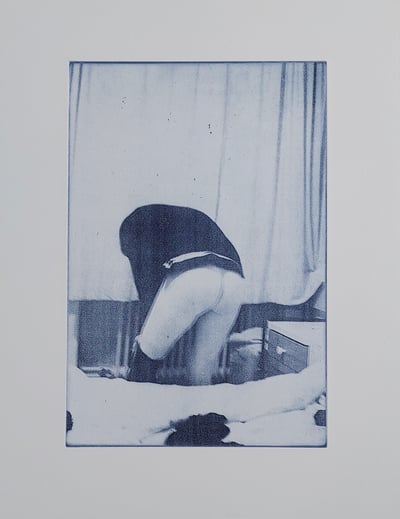
Christopher Wool
Untitled, 1994
Photography
Photogravure
Make Your Offer
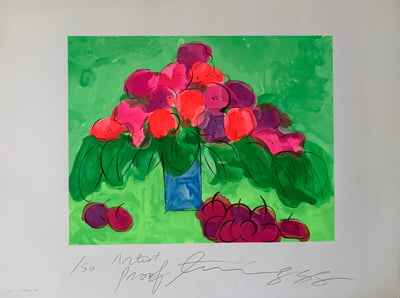
Walasse Ting
I Love Cherries and Flowers, 1980
Limited Edition Print
Lithograph
Currently Not Available
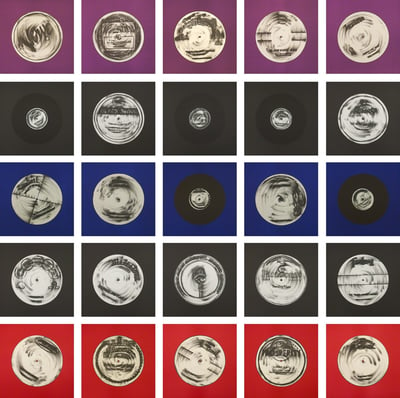
Gary Simmons
Lost Classics, 2012
Limited Edition Print
Lithograph
EUR 15,000

Claes Oldenburg
Injun Foster, 1973
Limited Edition Print
Silkscreen
EUR 2,800

Jonathan Monk
The idea of an empty sliding, 2015
Limited Edition Print
Monotype
EUR 3,000
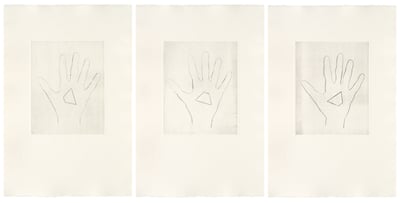
Jonathan Monk
My Left Hand Holding a Piece 3 , 2008
Limited Edition Print
Drypoint
Currently Not Available
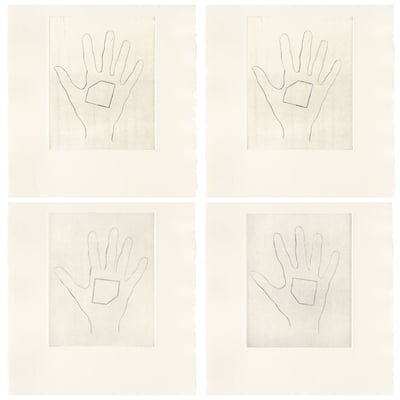
Jonathan Monk
My Left Hand Holding a Square 4, 2008
Limited Edition Print
Drypoint
EUR 3,000
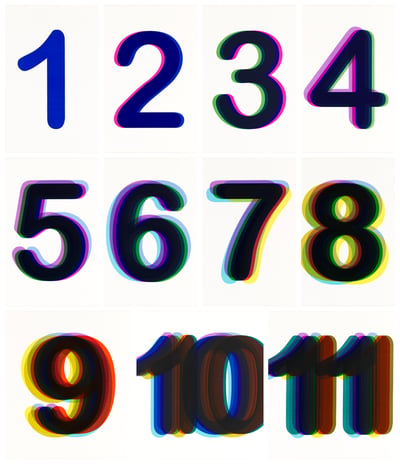
Jonathan Monk
COUNTING IN COLOUR, 2010
Limited Edition Print
Lithograph
EUR 3,200
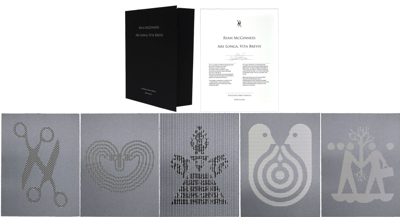
Ryan McGinness
Ars Longa, Vita Brevis, 2012
Limited Edition Print
Lithograph
EUR 16,000
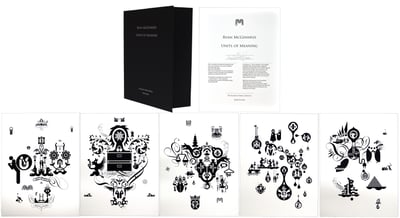
Ryan McGinness
Units of Meaning, 2012
Limited Edition Print
Lithograph
EUR 16,000
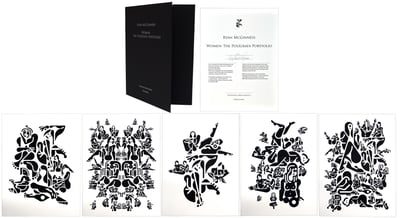
Ryan McGinness
Women, 2012
Limited Edition Print
Lithograph
EUR 16,000

Javacheff Christo
Wrapped Fountain, 2009
Limited Edition Print
Collage
EUR 8,000
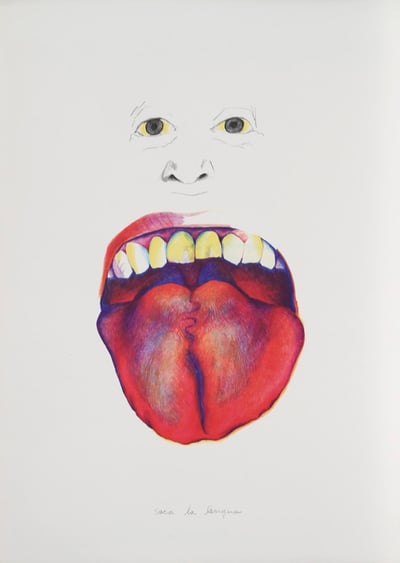
Marisol Escobar
Saca la lengua, 1973
Limited Edition Print
Silkscreen
EUR 1,700
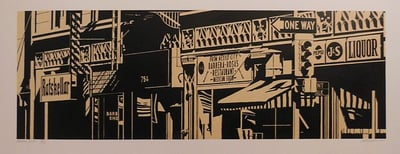
Robert Cottingham
Barrera-Rosa's, 1986
Limited Edition Print
Linocut
Currently Not Available
Related Articles


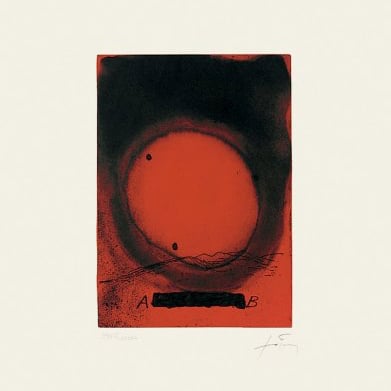
A movement and style in art that originated in Italy during the 1960s. It integrates elements of minimalism, performance art, and conceptual art by using everyday or seemingly worthless materials, such as newspapers, stones, or rags. The goal was to challenge and subvert the commercialization of art.

Massurrealism is a portmanteau word coined by American artist James Seehafer in 1992. He observed a trend among postmodern artists who blended themes and aesthetic styles with mass media, including elements of pop art. Massurrealism is a development of surrealism that emphasizes the technological effects on the imagery of contemporary surrealism. The key difference between massurrealism and surrealism is that the latter was founded in Europe at the beginning of the 20th century, while massurrealism is rooted in the influence of modern technology and media.
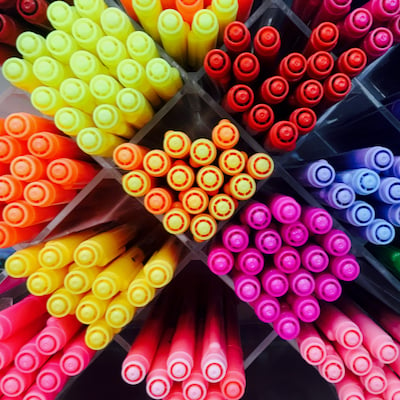
A marker is a drawing tool filled with colorful inks that dry quickly. Markers come in various sizes and use different colorants, such as ink, dye, or paint. They are available with different tip styles and produce smooth marks with sharp edges, making them ideal for a wide range of artistic and design applications.
Can't find your Answer?
Thank you! Your question has been sent — we'll get back to you shortly.
