
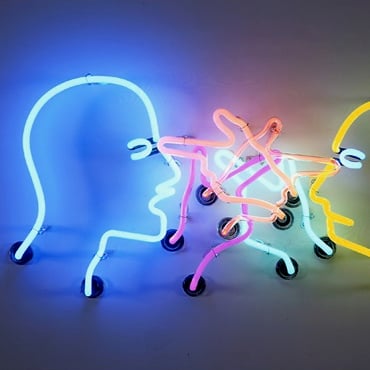
What is Process Art?
- Show All
- Established
- Discoveries
- Show All
Artworks Related to Process Art
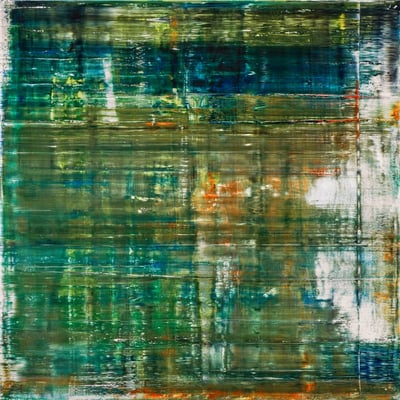
Gerhard Richter
Cage P19-1, 2020
Limited Edition Print
Giclée printing
GBP 17,000 - 22,000

Gerhard Richter
LP Sonic Youth, 2007
Limited Edition Print
Mixed Media
Inquire For Price
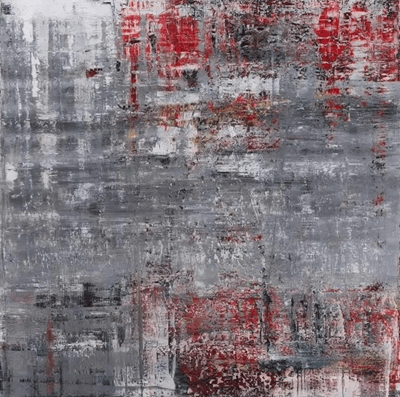
Gerhard Richter
Cage P19-4, 2020
Limited Edition Print
Giclée printing
Currently Not Available
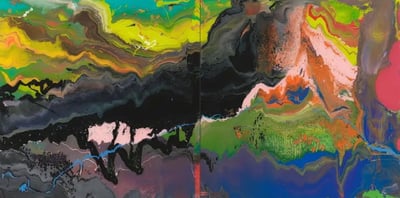
Gerhard Richter
Flow P16, 2016
Limited Edition Print
Mixed Media
Inquire For Price
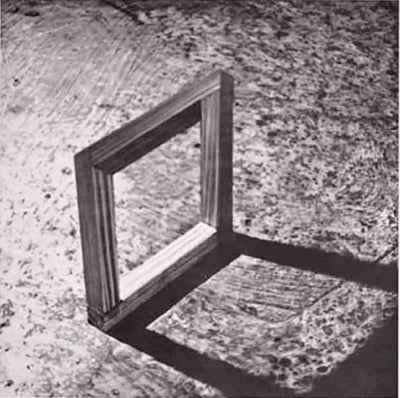
Gerhard Richter
Nine Objects, 1969
Limited Edition Print
Mixed Media
GBP 15,000 - 19,500
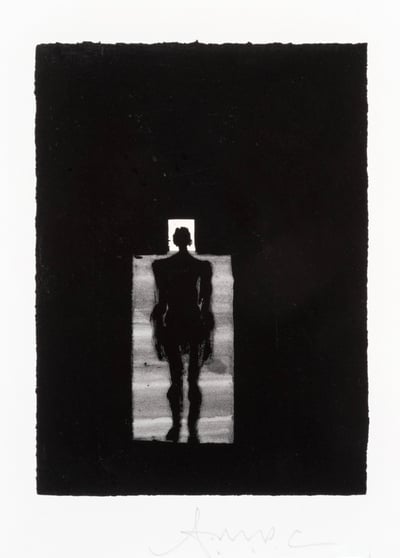
Antony Gormley
Room, 2008
Limited Edition Print
Digital Print on paper
GBP 2,500 - 3,200
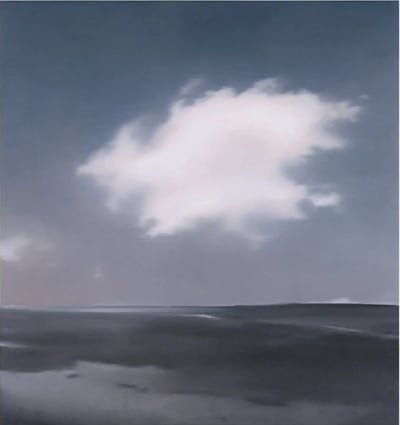
Gerhard Richter
Landschaft mit Wolke, 2026
Limited Edition Print
Mixed Media
GBP 900
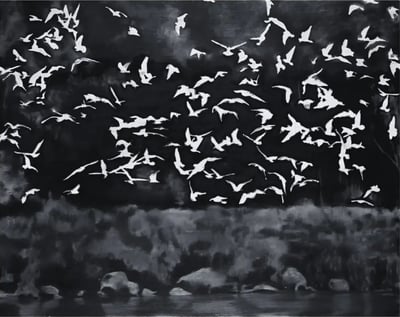
Gerhard Richter
Vögel, 2026
Limited Edition Print
Mixed Media
GBP 900
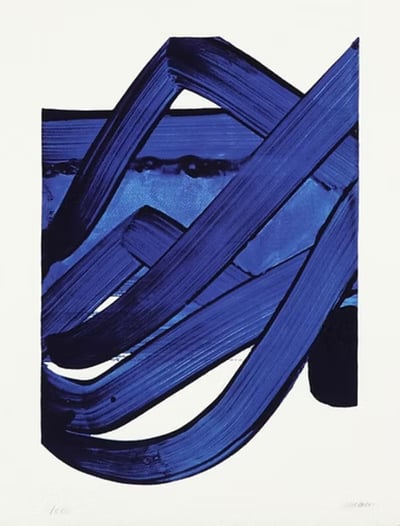
Pierre Soulages
Composition, Sérigraphie No 18, 1988
Limited Edition Print
Lithograph
GBP 18,500 - 24,000
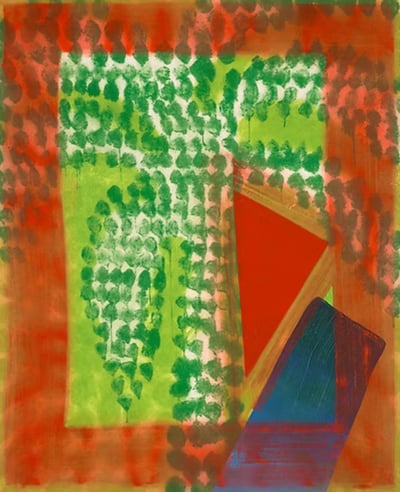
Howard Hodgkin
Street Palm, 1990
Limited Edition Print
Mixed Media
GBP 12,500 - 16,200
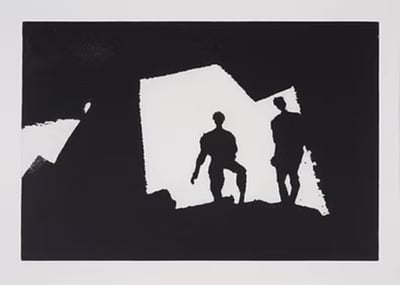
Antony Gormley
From The Cave, 2010
Limited Edition Print
Mixed Media
GBP 3,500 - 4,500
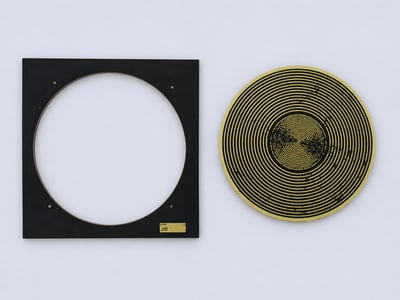
Rosemarie Trockel
Ex voto Platte, 2000
Sculpture / Object
Mixed Media
EUR 900
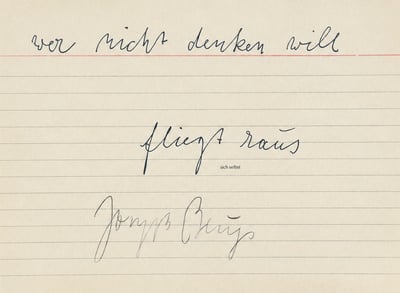
Joseph Beuys
Sich selbst (wer nicht denken will fliegt raus), 1977
Drawing / Watercolor
Mixed Media
EUR 700
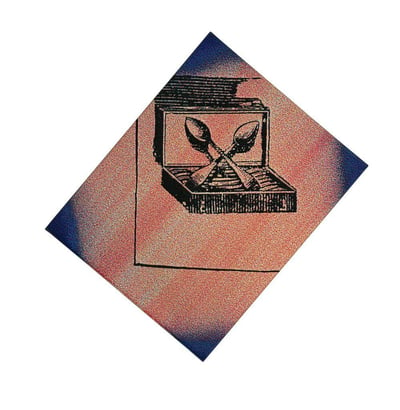
Sigmar Polke
Dr Pabscht het z’Schpiez s’Schpäckbschteck z’schpät bschteut, 1980/1991
Limited Edition Print
Mixed Media
EUR 13,000
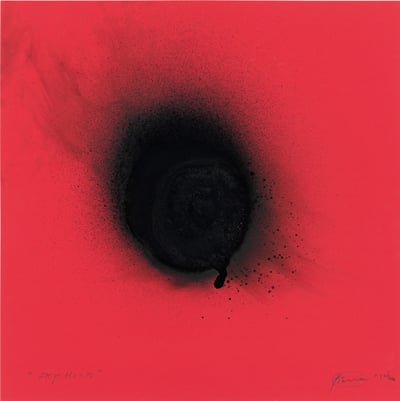
Otto Piene
Sky Hook, 2014
Painting
Gouache
Inquire For Price
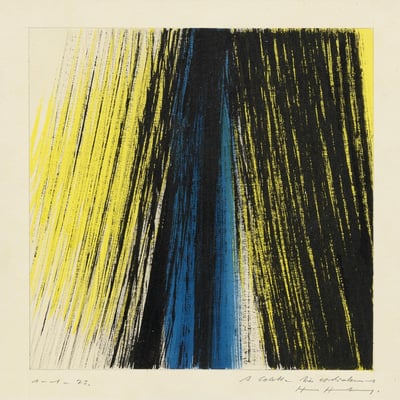
Hans Hartung
KP1972-3, 1972
Painting
Acrylic on paper
Inquire For Price
Related Articles
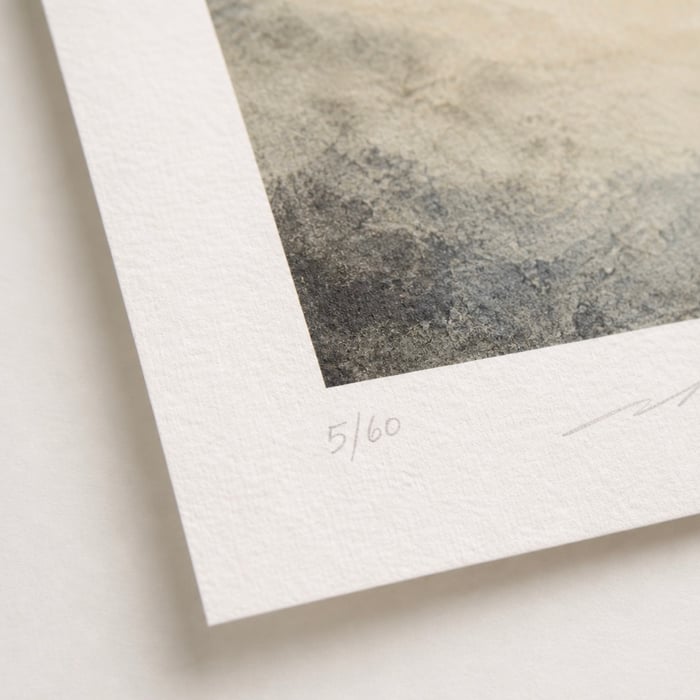

A Lambda print is produced using a Lambda laser printer, a technology developed by the Durst company. The Durst Lambda was one of the first printers to use digital laser technology to create archival-quality prints. This process, also known as a Lambda c-type print, involves exposing photographic paper to laser light, resulting in high-quality, long-lasting images.

Also referred to as Earth Art, Earthworks, or Environmental Art, Land Art is a sculptural movement that involves creating artworks that integrate conceptual or physical elements of the earth or landscape into the finished piece. These works often interact directly with the environment, using natural materials and settings to explore themes related to nature, place, and time
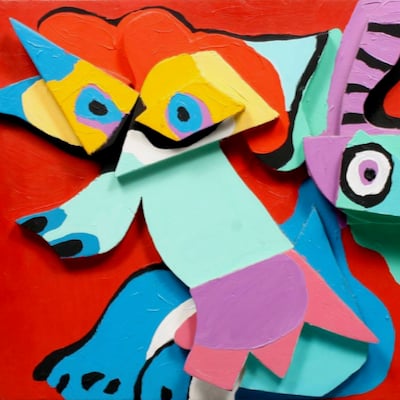
CoBrA stands for Copenhagen, Brussels, and Amsterdam; the group was formed with a desire to break away from the existing art movements of the time. Their critique of Western society led them to experiment and evolve into a significant international movement. CoBrA was founded on November 8, 1948, at the Notre Dame Café in Paris, where its manifesto was signed by Karel Appel, Joseph Noiret, Corneille, Christian Dotremont, Constant, and Asger Jorn. The group was united by a shared commitment to freedom in both form and color, and their work emphasized experimentation and spontaneity.
Can't find your Answer?
Thank you! Your question has been sent — we'll get back to you shortly.
