
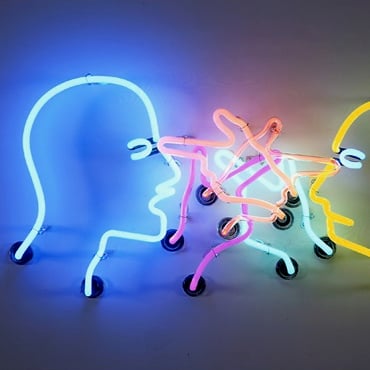
What is Process Art?
- Show All
- Established
- Discoveries
- Show All
Artworks Related to Process Art

Pedro Cabrita Reis
E as estrelas do céu cairam na terra....IV, 1996
Limited Edition Print
Aquatint
EUR 4,200

Pedro Cabrita Reis
E as estrelas do céu cairam na terra....III, 1996
Limited Edition Print
Aquatint
EUR 4,200

Pedro Cabrita Reis
E as estrelas do céu cairam na terra....II, 1996
Limited Edition Print
Aquatint
EUR 4,200

Brice Marden
Tiles, 1979
Limited Edition Print
Etching and Aquatint
USD 5,370
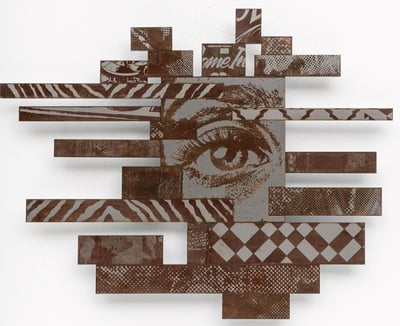
Vhils
Composed, 2022
Sculpture / Object
Metal
EUR 12,000

Pierre Soulages
Sérigraphie n°15, 1981
Limited Edition Print
Screen-print
EUR 15,500
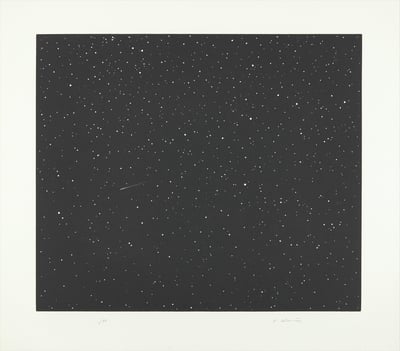
Vija Celmins
Comet, 1992
Limited Edition Print
Linocut
USD 32,500
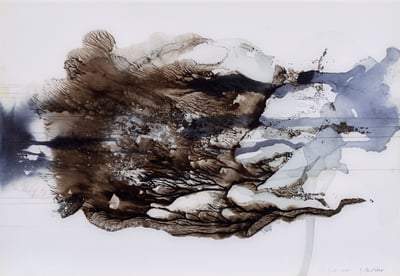
Gerhard Richter
December 2020 C, 2020
Limited Edition Print
Giclée printing
GBP 17,000 - 20,000

Gerhard Richter
Frau Mit Kind / Mother With Child, 1965 / 2005
Limited Edition Print
Offset Print
GBP 3,500 - 5,000
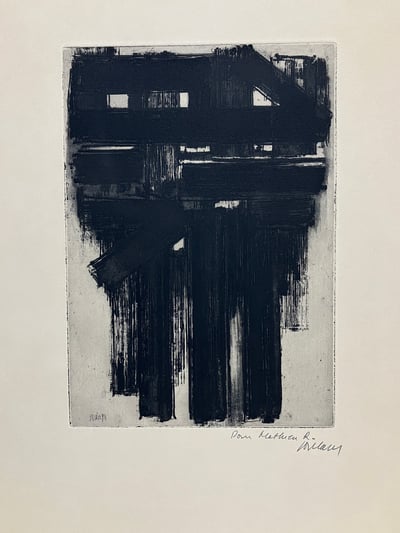
Pierre Soulages
Eau-forte III, 1956
Limited Edition Print
Etching
EUR 10,800
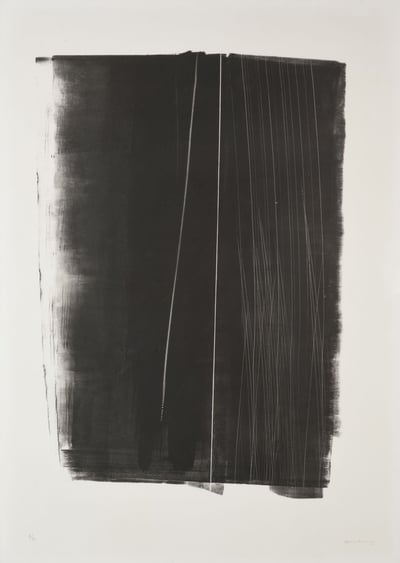
Hans Hartung
L 1973-46, 1973
Limited Edition Print
Lithograph
EUR 2,050
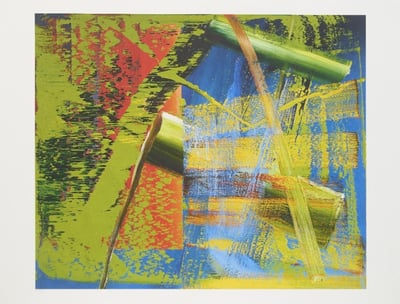
Gerhard Richter
Abstraktes Bild (Werk 563-1), 1984/2024
Limited Edition Print
Mixed Media
EUR 1,880
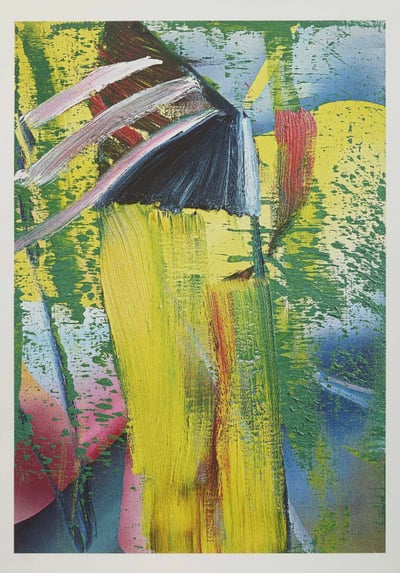
Gerhard Richter
Abstraktes Bild (Werk 522-3), 1983/2024
Limited Edition Print
Mixed Media
EUR 1,880
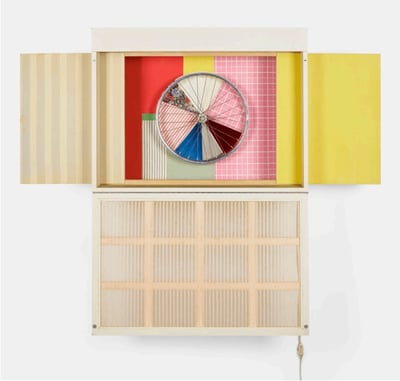
Robert Rauschenberg
Publicon Station IV, 1978
Sculpture / Object
Mixed Media
USD 34,000 - 50,000
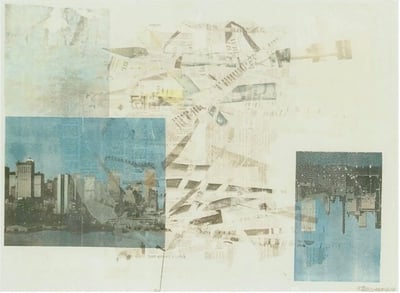
Robert Rauschenberg
Bait (Stoned Moon Series), 1982
Drawing / Watercolor
Mixed Media
Inquire For Price
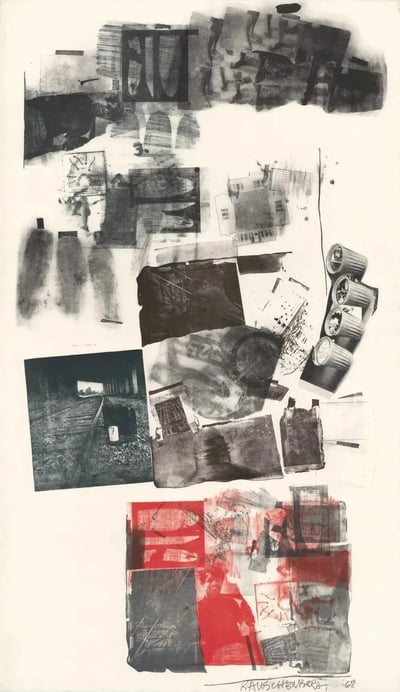
Robert Rauschenberg
Water Stop, 1968
Limited Edition Print
Lithograph
Inquire For Price
Related Articles
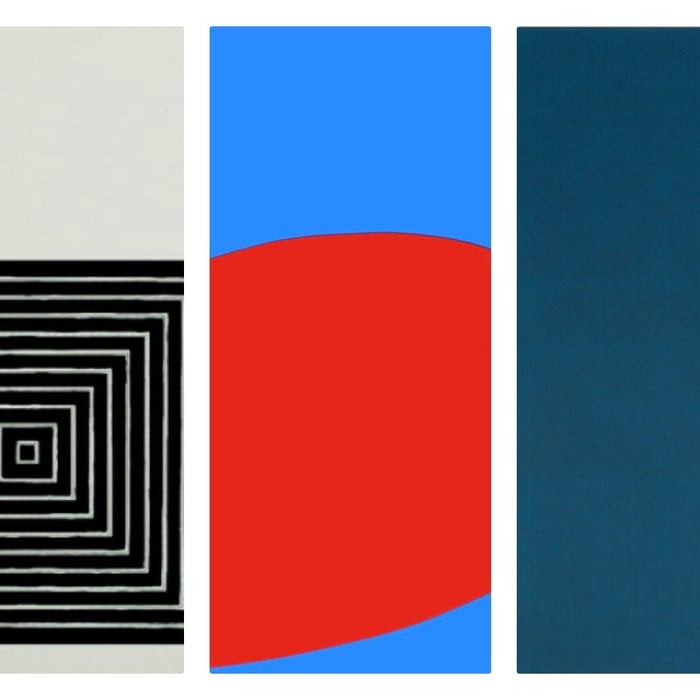
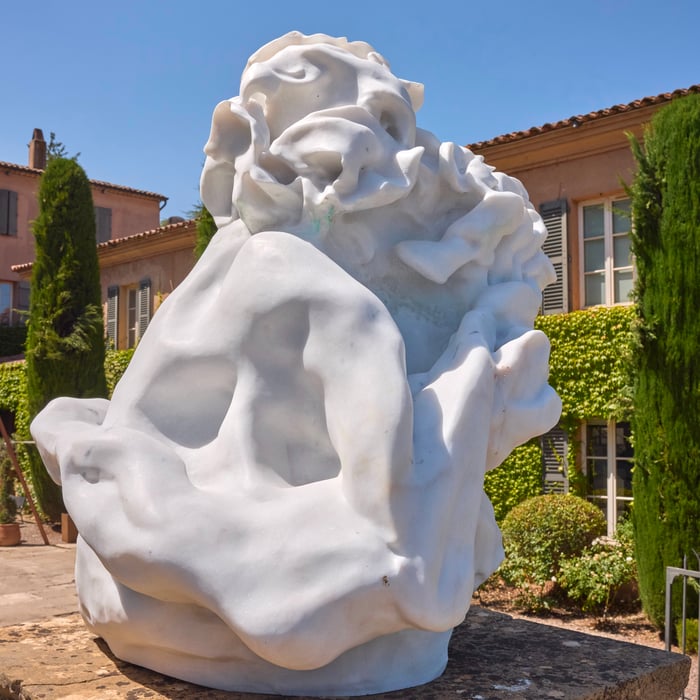
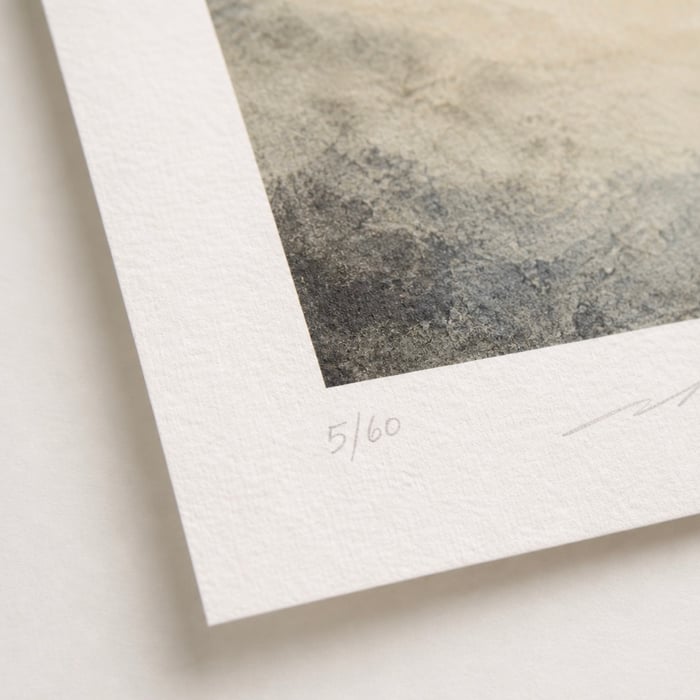

Lowbrow is a derogatory term that refers to certain forms of popular culture. It describes an art movement that began in Los Angeles in the 1970s. The term lowbrow originally refers to a person with little intellectual or refined taste. The Lowbrow art movement, also known as Pop Surrealism, blends elements of underground comics, punk music, hot rod culture, and other subcultures, often with a sense of humor and irony.
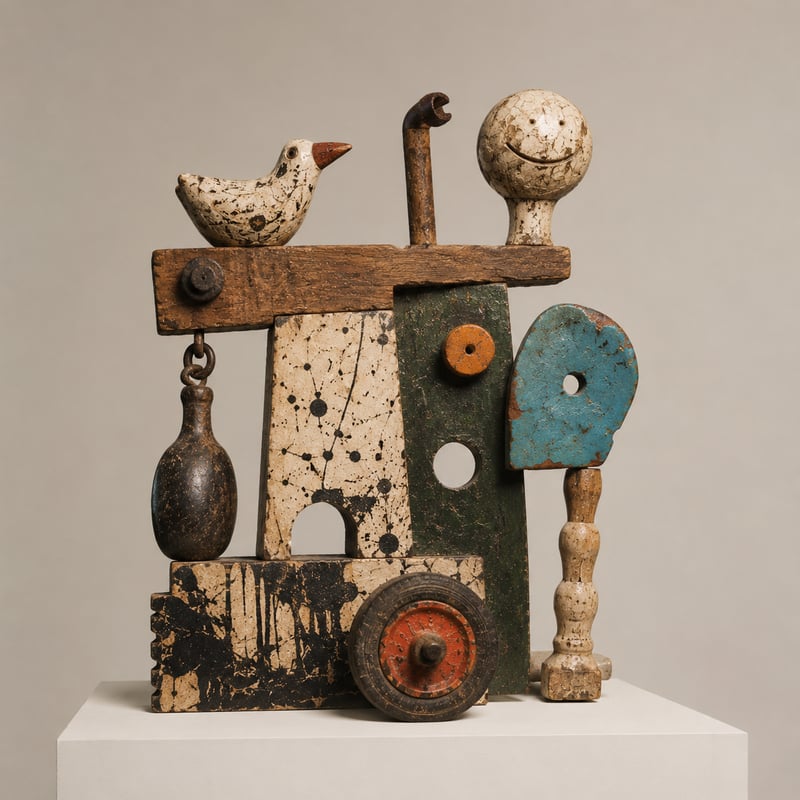
In the 1960s, Funk Art emerged as a reactive movement against Abstract Expressionism. It was widely known as an anti-establishment movement, with the name derived from the jazz term funky. This term carried both positive and negative connotations: in the jazz world, it described passion, quirkiness, and sensuality, but it could also refer to a foul odor. Funk Art was particularly popular in the California Bay Area. While the artists of the Funk Art era shared similar attitudes and styles, they did not see themselves as part of a formal group or movement.
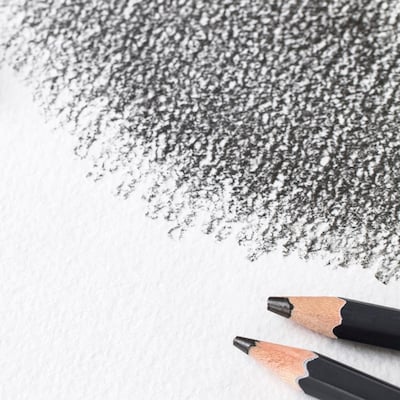
A pencil is a writing and drawing tool with a core of solid pigment, typically graphite or colored, encased in a protective layer of wood or composite material. Pencils make marks on paper by transferring part of the core pigment onto the surface.
Can't find your Answer?
Thank you! Your question has been sent — we'll get back to you shortly.
