
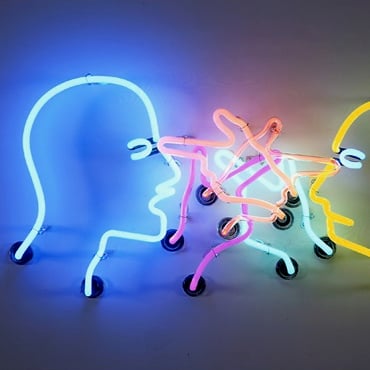
What is Process Art?
- Show All
- Established
- Discoveries
- Show All
Artworks Related to Process Art
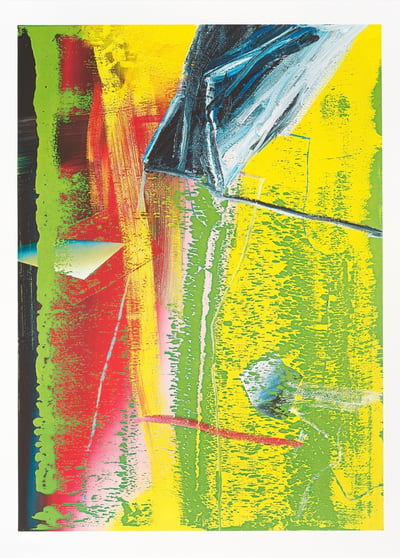
Gerhard Richter
Abstraktes Bild, 1982 (Werk 503), 1982/2025
Limited Edition Print
Mixed Media
EUR 1,880
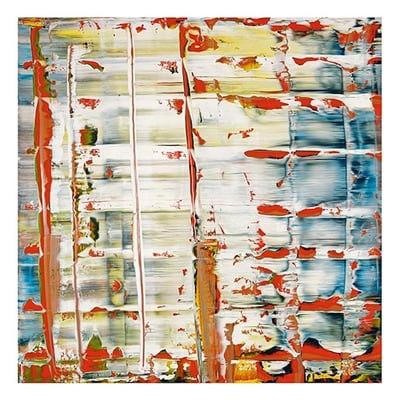
Gerhard Richter
Abstraktes Bild, 1992/2023
Limited Edition Print
Mixed Media
EUR 1,880

Robert Rauschenberg
In Transit (Goddess Depot), 2001
Limited Edition Print
Lithograph
USD 6,600

Helen Frankenthaler
Reflections IX, 1995
Limited Edition Print
Lithograph
USD 7,150

Mel Bochner
Blah Blah Blah (Inverse), 2022
Limited Edition Print
Silkscreen
Currently Not Available
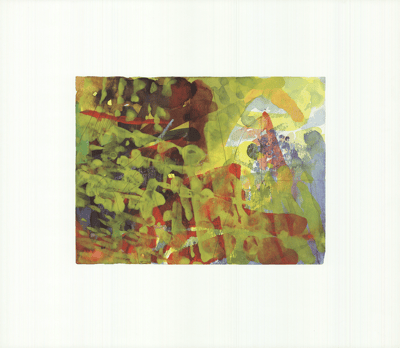
Gerhard Richter
IBM (G.EL.2, 18.1.1984), 1987
Limited Edition Print
Offset Print
USD 7,000 - 10,000
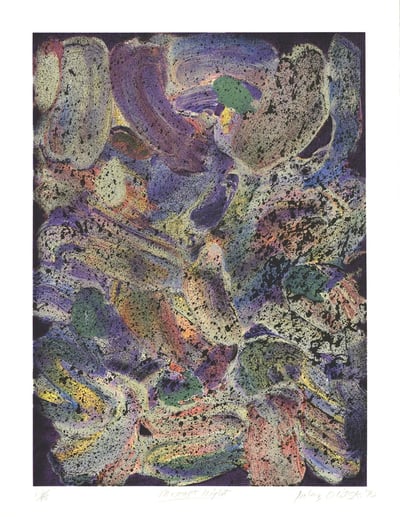
Jules Olitski
Mozart Night, 1992
Limited Edition Print
Silkscreen
USD 3,960
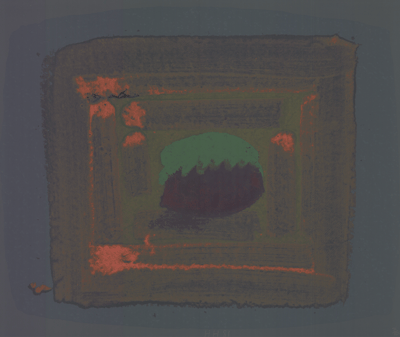
Howard Hodgkin
Tropical Fruit, 1981
Limited Edition Print
Serigraph
USD 5,000 - 7,000
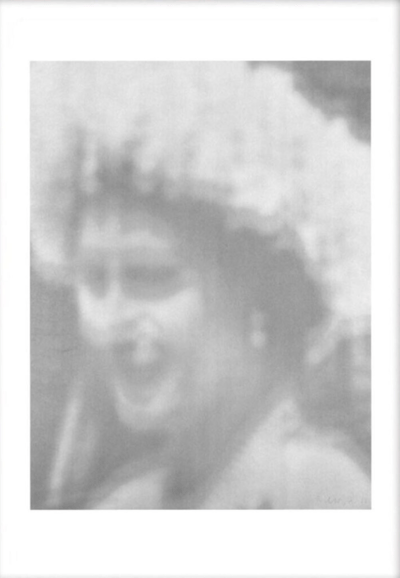
Gerhard Richter
Elizabeth 1, 1966
Limited Edition Print
Offset Print
Currently Not Available
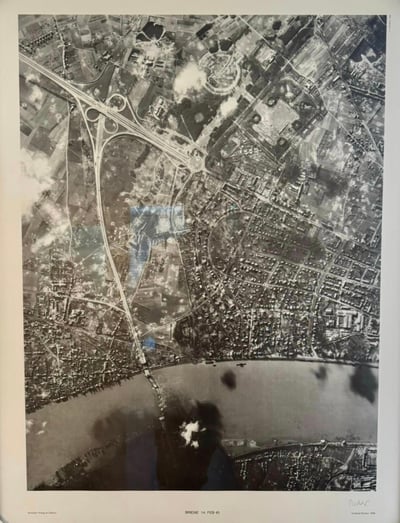
Gerhard Richter
Bridge 14 FEB 45 (III), 2000
Limited Edition Print
Offset Print
GBP 12,000 - 16,000
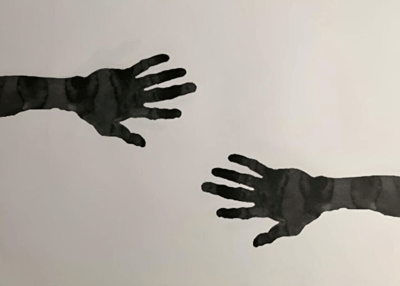
Antony Gormley
Hands, 2005
Limited Edition Print
Lithograph
GBP 1,550

Donald Sultan
Mimosa, April 12, 2023, 2023
Limited Edition Print
Archival Print
USD 4,200

Donald Sultan
Mimosa with Green, Jan 25, 2023, 2023
Limited Edition Print
Archival Print
USD 4,200

Donald Sultan
Red and Yellow Poppies, 2023
Sculpture / Object
Mixed Media
USD 15,450

Donald Sultan
Blue and Yellow Poppies, 2023
Sculpture / Object
Mixed Media
USD 15,450

Robert Rauschenberg
One More and We Will Be More Than Halfway There, from Suite of Nine Prints, 1979
Limited Edition Print
Offset Print
USD 2,125
Related Articles

Tempera is a paint traditionally made by mixing colored pigments with egg yolk. It dries quickly and is highly durable, with some examples dating back to 100 AD still in existence. Modern tempera paint often uses glue size as a binder instead of egg yolk. Tempera is known for its bright colors and fine, detailed application, making it popular for panel paintings and icons.

Massurrealism is a portmanteau word coined by American artist James Seehafer in 1992. He observed a trend among postmodern artists who blended themes and aesthetic styles with mass media, including elements of pop art. Massurrealism is a development of surrealism that emphasizes the technological effects on the imagery of contemporary surrealism. The key difference between massurrealism and surrealism is that the latter was founded in Europe at the beginning of the 20th century, while massurrealism is rooted in the influence of modern technology and media.

Xiamen Dada was a Chinese artist group based in Xiamen, a city on China’s southeast coast. Emerging in the 1980s, the group explored the relationship between Chan Buddhism and European Dada, embracing absurdity and the use of chance in the creation of their artworks. Xiamen Dada sought to challenge conventional artistic norms, blending Eastern philosophy with the avant-garde practices of Dada, and became known for their provocative and unconventional approach to art.
Can't find your Answer?
Thank you! Your question has been sent — we'll get back to you shortly.
