

What is Surrealism?
- Show All
- Established
- Discoveries
- Show All
Artworks Related to Surrealism

Liliana Porter
Sin título con nazi , 2005
Limited Edition Print
Lithograph
EUR 1,800
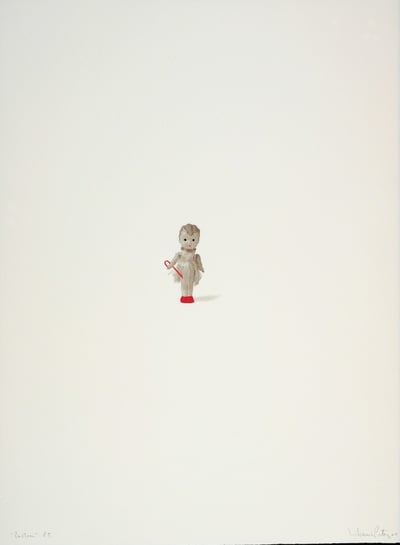
Liliana Porter
Pastora, 2005
Limited Edition Print
Lithograph
EUR 1,800

Liliana Porter
Hacha, 2005
Limited Edition Print
Lithograph
EUR 1,800

Liliana Porter
Situación, 2005
Limited Edition Print
Lithograph
EUR 1,800

Liliana Porter
Diálogo con eso, 2005
Limited Edition Print
Lithograph
EUR 2,200

Liliana Porter
Shit, 2005
Limited Edition Print
Etching
EUR 1,400

Liliana Porter
Elvis , 2010
Limited Edition Print
Lithograph
EUR 2,400

Liliana Porter
Oh!, 2010
Limited Edition Print
Lithograph
EUR 2,400

Liliana Porter
Stone, 2010
Limited Edition Print
Lithograph
EUR 2,300

Liliana Porter
The Task , 2010
Limited Edition Print
Lithograph
EUR 2,300

Liliana Porter
The Offer, 2010
Limited Edition Print
Lithograph
EUR 2,300

Liliana Porter
Yellow thing, 2010
Limited Edition Print
Lithograph
EUR 2,300
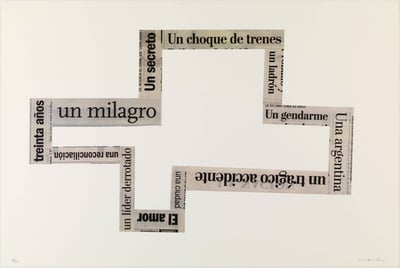
Jorge Macchi
El secreto, 2011
Limited Edition Print
Lithograph
EUR 1,200

Jorge Macchi
Las Horas, 2011
Limited Edition Print
Lithograph
EUR 1,200
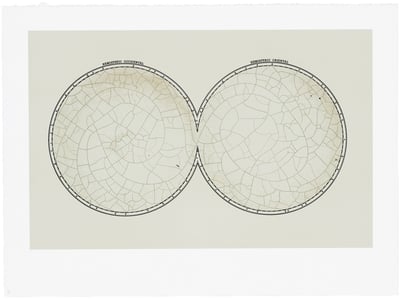
Jorge Macchi
Old World, 2007
Limited Edition Print
Lithograph
EUR 1,000
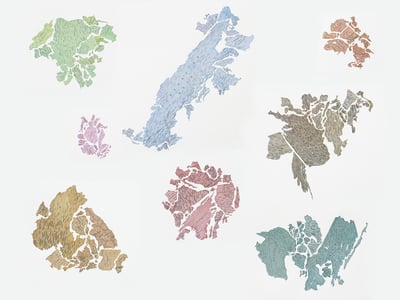
Jorge Macchi
New World, 2009
Limited Edition Print
Lithograph
EUR 1,500
Related Articles

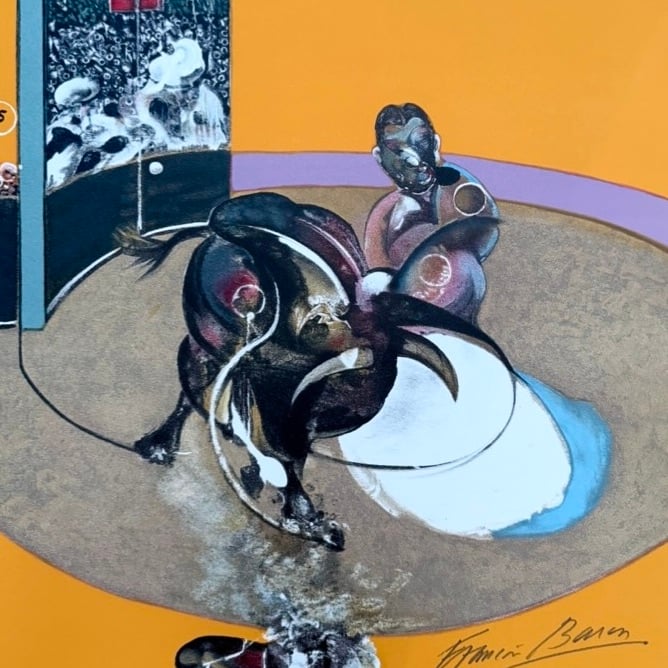


Bronze is a metal alloy made primarily of copper and tin, with a typical modern composition of 88% copper and 12% tin. Over time, bronze develops a patina, a surface color that often turns deep green due to oxidation. Large bronze objects, such as sculptures, are typically made in foundries. Bronze is valued for its durability and has been widely used throughout history for art, tools, and weapons.
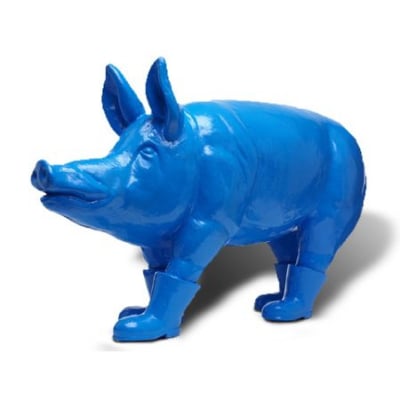
Environmental art is a collective term that refers to a wide range of artistic practices and works that engage with historical and ecological themes. The term often encompasses ecological concerns, although it is not exclusively defined by them. Environmental art acknowledges and appreciates the early history of the environmental art movement, including works with activist themes and those celebrating the connection between nature and the artist through the use of natural materials.
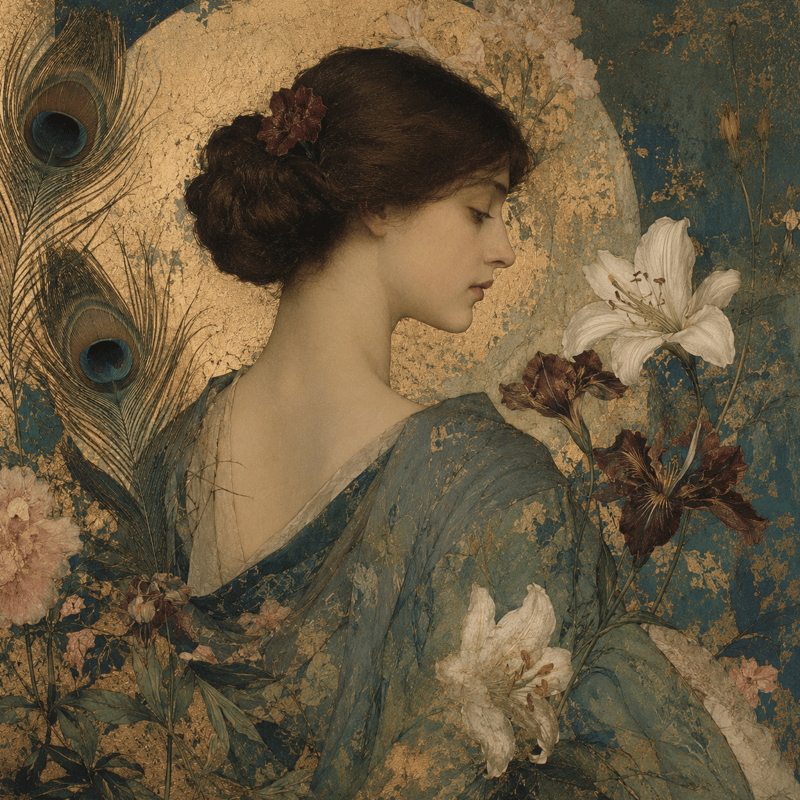
The Aesthetic Movement emerged in the late 19th century, emphasizing the beauty and sensual qualities of art over practical or moral considerations. It promoted the idea of creating art for its own sake, valuing beauty and aesthetic experience as ends in themselves. The movement was particularly influential in Britain.
Can't find your Answer?
Thank you! Your question has been sent — we'll get back to you shortly.
