
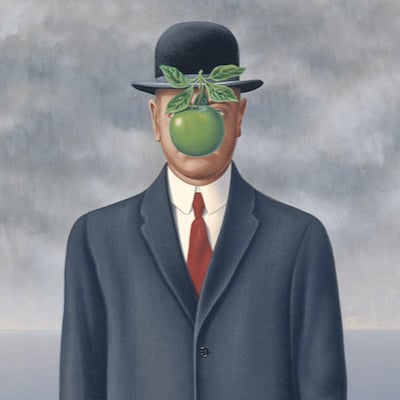
What is Surrealism?
- Show All
- Established
- Discoveries
- Show All
Artworks Related to Surrealism

Allan D'Arcangelo
The Holy Famil, 1980
Limited Edition Print
Serigraph
USD 2,800

Allan D'Arcangelo
Smoking Blond, 1990
Limited Edition Print
Serigraph
USD 4,000
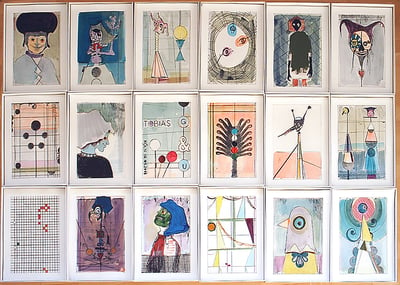
Gert & Uwe Tobias
Ohne Titel - portfolio (18), 2008
Limited Edition Print
Drypoint
EUR 13,500

Marcel Dzama
Une saison en enfer, 2011
Drawing / Watercolor
Mixed Media
EUR 2,250
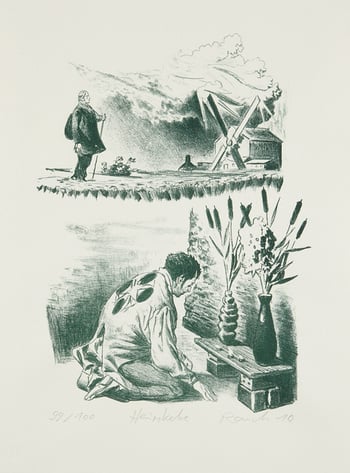
Neo Rauch
Heimkehr, 2010
Limited Edition Print
Lithograph
Currently Not Available

Manuel Alvarez Bravo
Instrumental, 1931
Photography
Gelatin Silver Print
Currently Not Available

Zhang Xiaogang
Amnesia and Memory, 2009
Limited Edition Print
Lithograph
USD 7,850
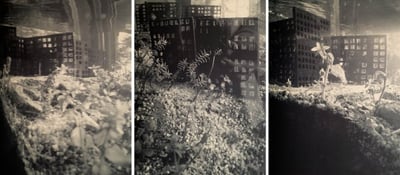
Cristina Iglesias
Aquarium II, 2011
Photography
Photogravure
EUR 15,000

Cristina Iglesias
Aquarium II, 1, 2011
Photography
Photogravure
EUR 5,500

Cristina Iglesias
Aquarium II, 2, 2011
Photography
Photogravure
EUR 5,500

Cristina Iglesias
Aquarium II, 3, 2011
Photography
Photogravure
EUR 5,500
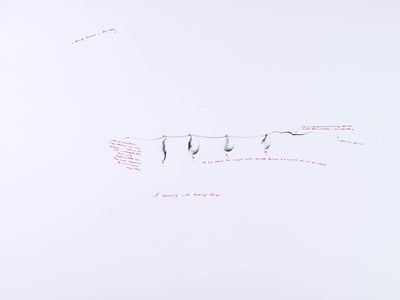
Nedko Solakov
A Drawing with Lacking Things, 2004
Limited Edition Print
Silkscreen
Currently Not Available
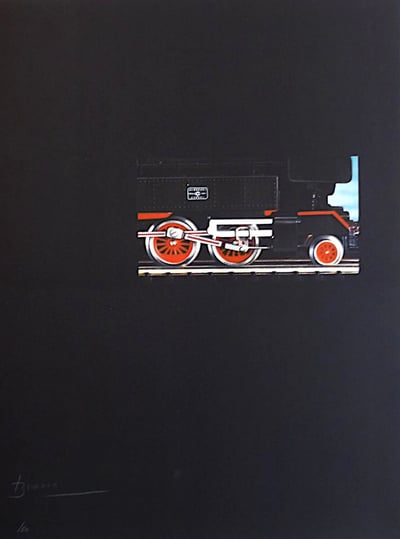
Joan Brossa
Túnel, 1989
Limited Edition Print
Lithograph
EUR 1,000
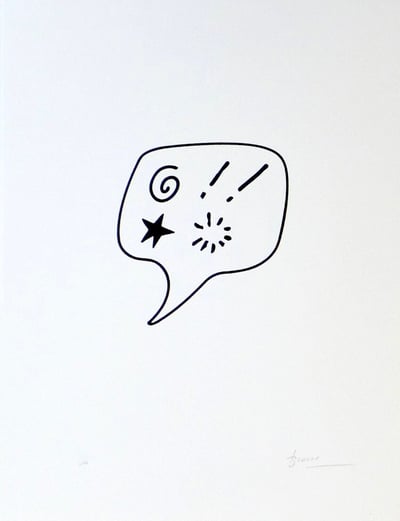
Joan Brossa
Blasfèmia, 1989
Limited Edition Print
Lithograph
EUR 1,000
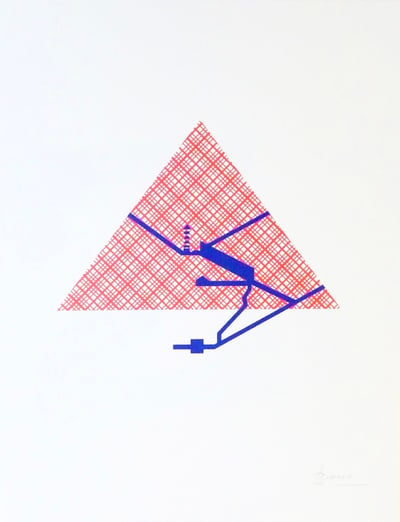
Joan Brossa
Poema visual 25, 1989
Limited Edition Print
Lithograph
EUR 1,000
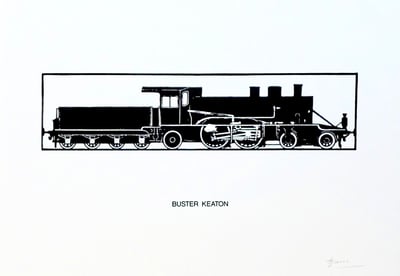
Joan Brossa
Buster Keaton , 1989
Limited Edition Print
Lithograph
EUR 1,000
Related Articles

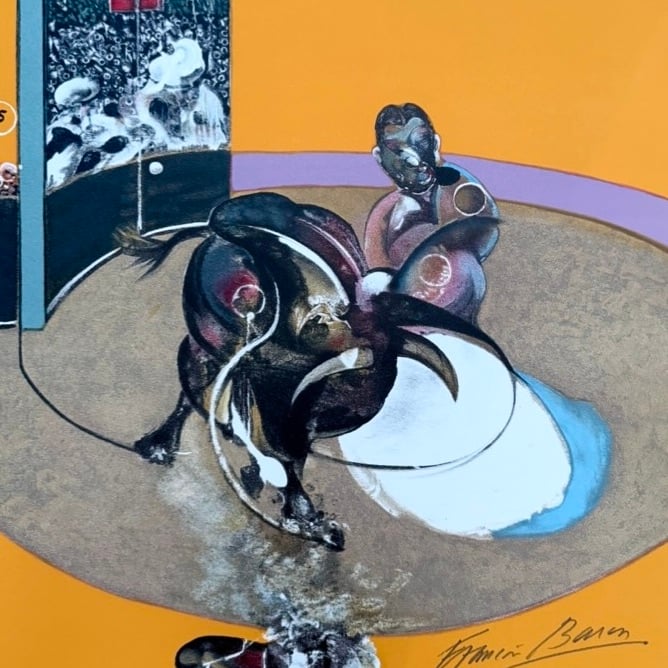


Textile refers to a flexible material made by weaving, felting, crocheting, knitting, or knotting long strands of natural or synthetic yarn or thread. Textile artists often create their own materials or use selected textiles in fabric art compositions, incorporating a wide range of textures and patterns.

Hyperrealism is a genre of sculpture and painting that closely resembles high-resolution photographs. It is an evolution of Photorealism and is often applied to an independent art style or movement that became prominent in Europe and the United States in the early 2000s. Hyperrealist artists focus on extreme detail and precision, creating works that are often indistinguishable from real-life images.
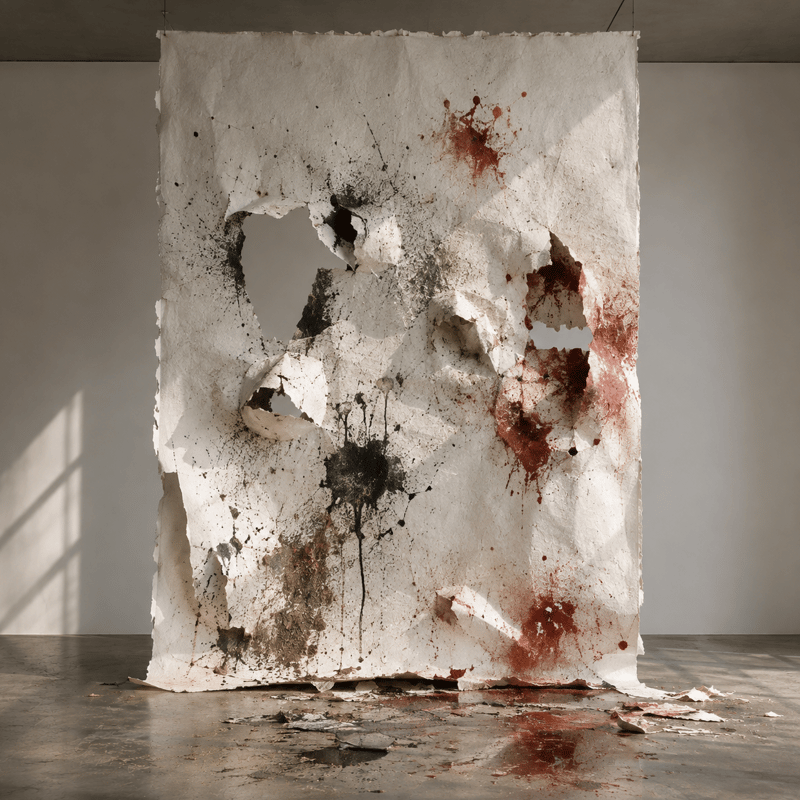
Gutai was a group of Japanese radical artists who formed the Gutai Art Association in 1954. The word Gutai translates to embodiment. The group was known for creating art on the spot for live audiences, often incorporating their own physical movements. Their performances included actions like throwing paint, piercing paper, and rolling in mud, emphasizing the direct interaction between the body and the material.
Can't find your Answer?
Thank you! Your question has been sent — we'll get back to you shortly.
