
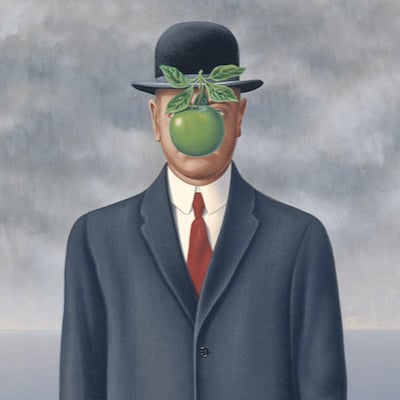
What is Surrealism?
- Show All
- Established
- Discoveries
- Show All
Artworks Related to Surrealism

Rene Magritte
Nude Study (Etudes de Nus)
Drawing / Watercolor
Pencil
GBP 11,500 - 13,500
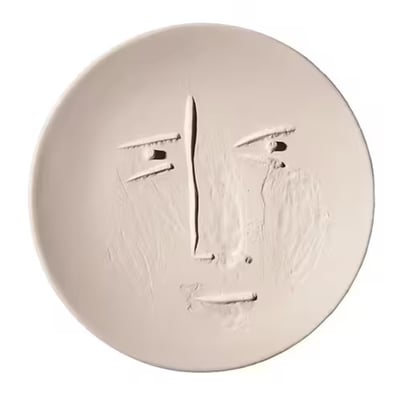
Pablo Picasso
Visage de Face, 1960
Ceramics
Ceramic
Inquire For Price

Marc Chagall
Les Saltimbanques, 1969
Limited Edition Print
Lithograph
GBP 13,000 - 15,000
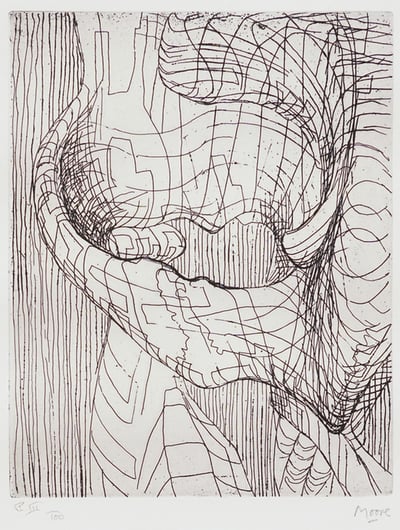
Henry Moore
Elephant Skull, 1969
Limited Edition Print
Etching
GBP 1,620
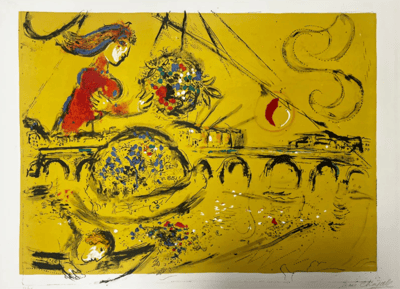
Marc Chagall
Île Saint-Louis, 1959
Limited Edition Print
Lithograph
EUR 13,500 - 17,000

Lucian Freud
Reflection (Self Portrait), 1983
Limited Edition Print
Archival Print
GBP 5,000 - 6,500

Rufino Tamayo
Dos Figuras, 1973
Limited Edition Print
Lithograph
USD 5,980
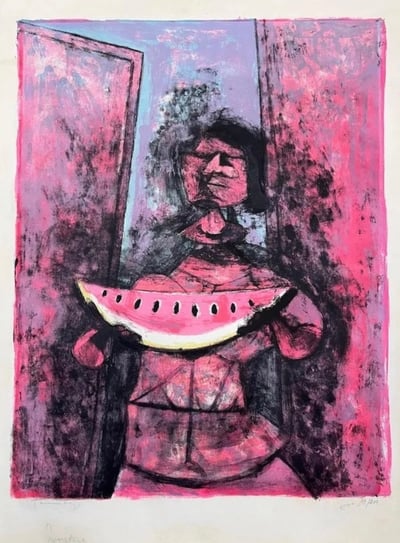
Rufino Tamayo
Mujer con sandia, 1950
Limited Edition Print
Lithograph
EUR 5,000
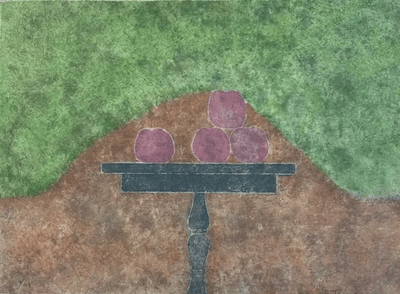
Rufino Tamayo
Bodegón, 1980
Limited Edition Print
Etching
EUR 5,200
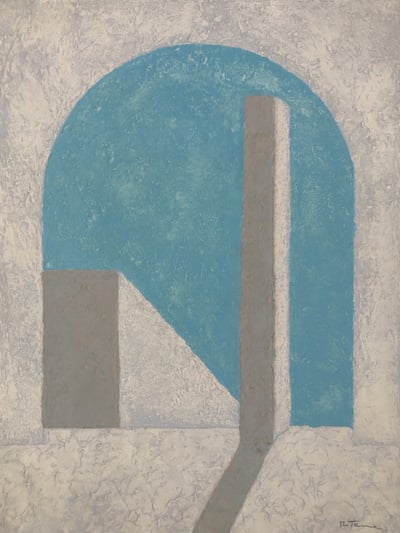
Rufino Tamayo
Torre Blanca, P. 197, 1976
Limited Edition Print
Etching
USD 5,500

Rufino Tamayo
Dos Figuras, P. 205, 1976
Limited Edition Print
Etching
USD 6,600

Rufino Tamayo
Cabeza Sur Fonde Verte, P. 258, 1984
Limited Edition Print
Etching
USD 6,600
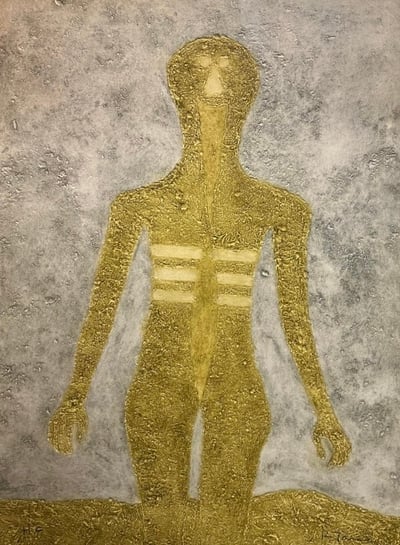
Rufino Tamayo
Figura Sobre Azur, 1976
Limited Edition Print
Etching
USD 5,200

Lucian Freud
Double Portrait, 1985
Limited Edition Print
Archival Print
GBP 5,000 - 6,500
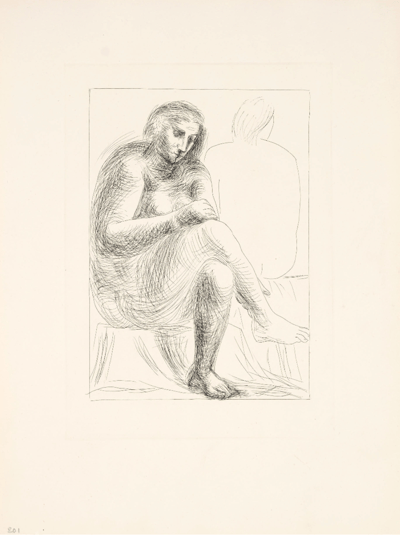
Pablo Picasso
Au bain (Suite Vollard 3), 1930
Limited Edition Print
Etching
EUR 4,950
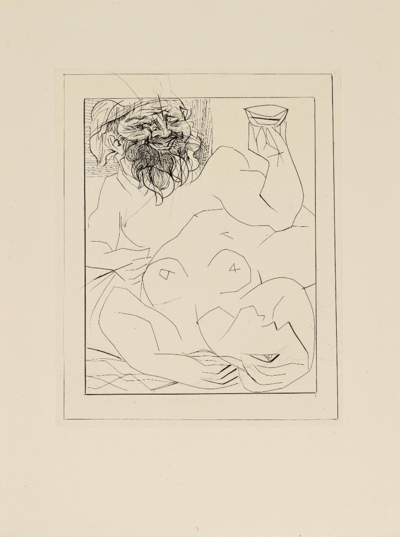
Pablo Picasso
Bacchus et femme nue étendue, 1934
Limited Edition Print
Mixed Media
EUR 7,500
Related Articles

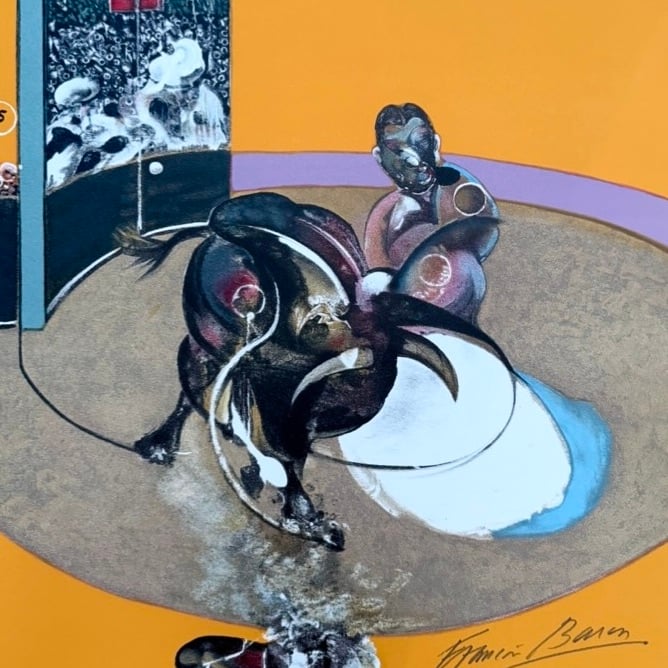


Intaglio is a printmaking technique where a design is incised below the surface of a metal or stone plate. Ink is applied to the plate, filling the incised lines or depressions, while the surface is wiped clean. The ink in the depressions is then transferred to paper using an etching press. Common intaglio techniques include engraving, etching, and drypoint.

Art Intervention refers to art created with the intention of interacting with an existing situation, structure, artwork, audience, or institution. This form of art gained popularity in the 1960s as artists sought to provoke change within political and social contexts. The concept of Artist-in-Residence programs was influenced by the ideas and practices of this movement.
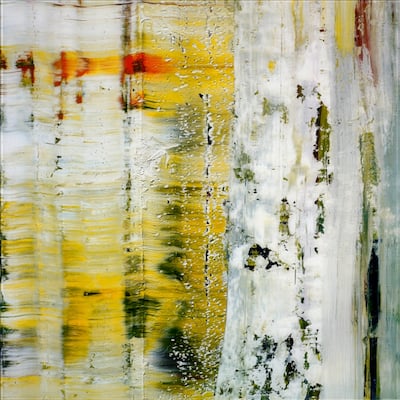
Capitalist Realism is a German form of political pop art that emerged in Cold War-era Berlin in 1963. It sought to challenge the dominance of American pop art in the Western world. The movement blended the ideologies of both pop art and socialist realism, offering a critique of consumer culture and political power.
Can't find your Answer?
Thank you! Your question has been sent — we'll get back to you shortly.
