
What is a Lithograph?
- Show All
- Established
- Discoveries
- Show All
Artworks Related to Lithograph
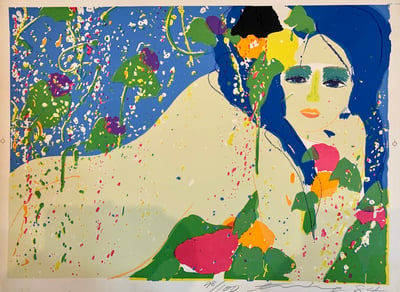
Walasse Ting
Lovely Nude, 1984
Limited Edition Print
Lithograph
EUR 1,100
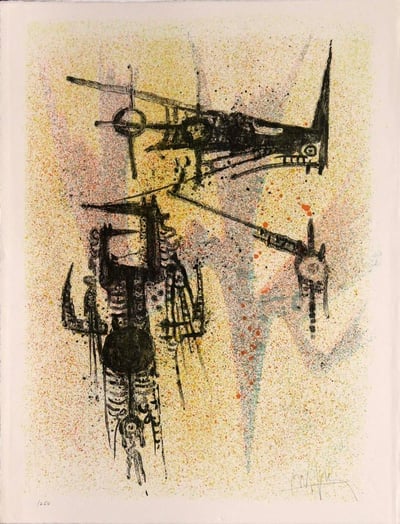
Wifredo Lam
Untitled (from the Flight), 1968
Limited Edition Print
Lithograph
USD 1,100

Robert Rauschenberg
Happiness, 1994
Limited Edition Print
Lithograph
USD 3,700

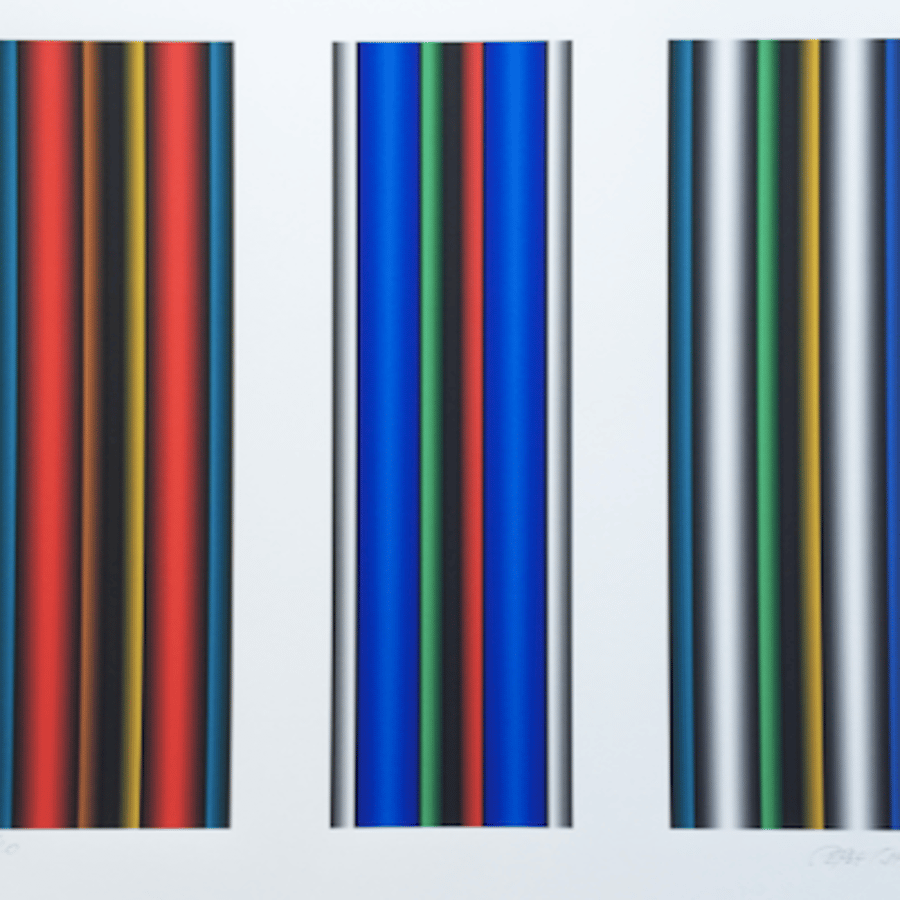
Ellsworth Kelly
Blue Green Black Red, 1971
Limited Edition Print
Lithograph
Currently Not Available
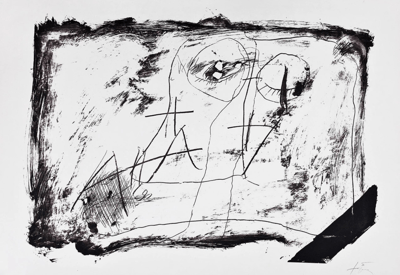
Antoni Tapies
Llambrec-11, 1975
Limited Edition Print
Lithograph
EUR 1,800
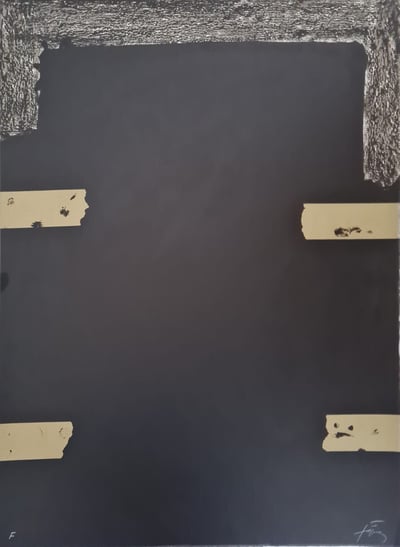
Antoni Tapies
Poems 5, 1974
Limited Edition Print
Lithograph
EUR 1,900
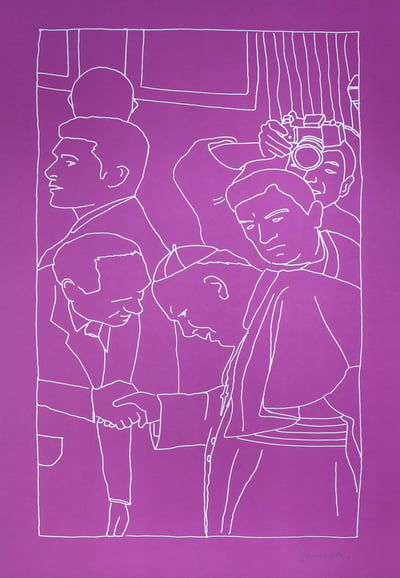
Antoni Muntadas
B+P, 2003
Limited Edition Print
Lithograph
EUR 1,200
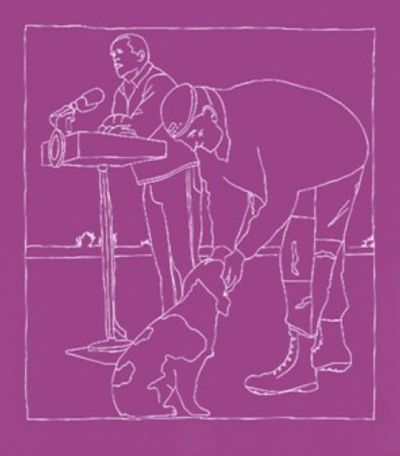
Antoni Muntadas
B+G+D, 2003
Limited Edition Print
Lithograph
EUR 1,200
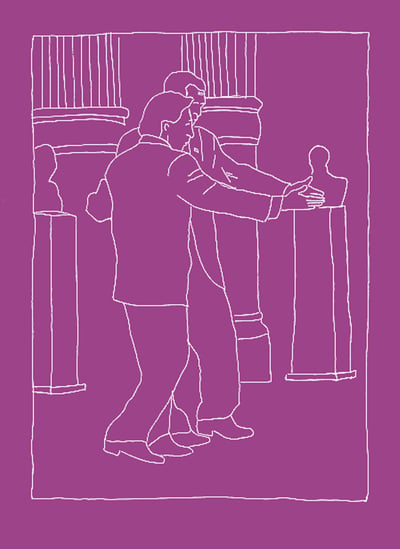
Antoni Muntadas
B+T, 2003
Limited Edition Print
Lithograph
EUR 1,200
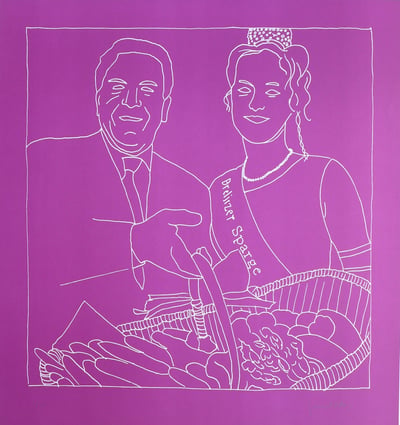
Antoni Muntadas
S+M, 2003
Limited Edition Print
Lithograph
EUR 1,200
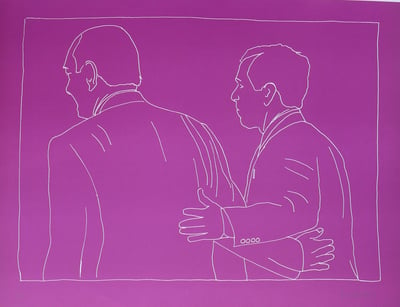
Antoni Muntadas
CH+B, 2003
Limited Edition Print
Lithograph
EUR 1,200
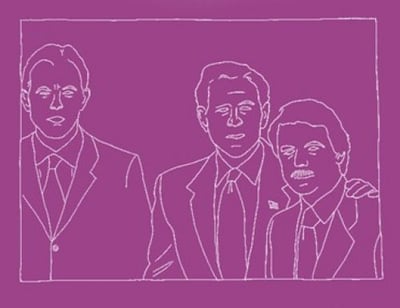
Antoni Muntadas
B+B+A, 2003
Limited Edition Print
Lithograph
EUR 1,200
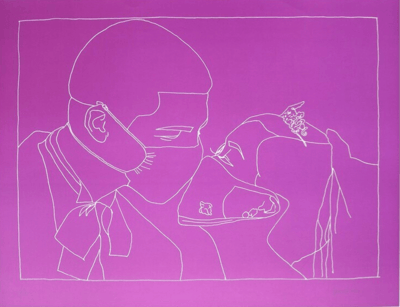
Antoni Muntadas
Duo, 2003
Limited Edition Print
Lithograph
EUR 1,200
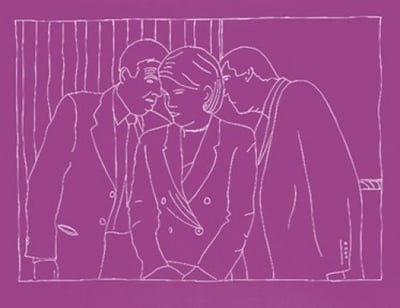
Antoni Muntadas
Trio, 2003
Limited Edition Print
Lithograph
EUR 1,200
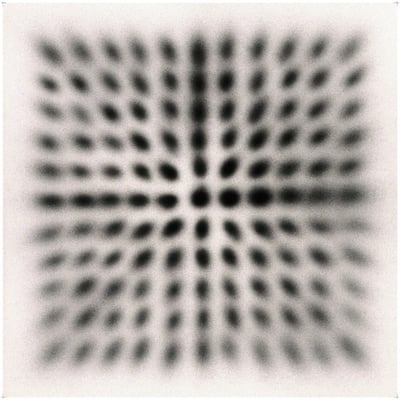
Julio Le Parc
Primeras modulaciones 11, 2018
Limited Edition Print
Lithograph
Currently Not Available

Jacob Kassay
Untitled 6/10 (Radikal), 2013
Limited Edition Print
Lithograph
EUR 5,500
Related Articles
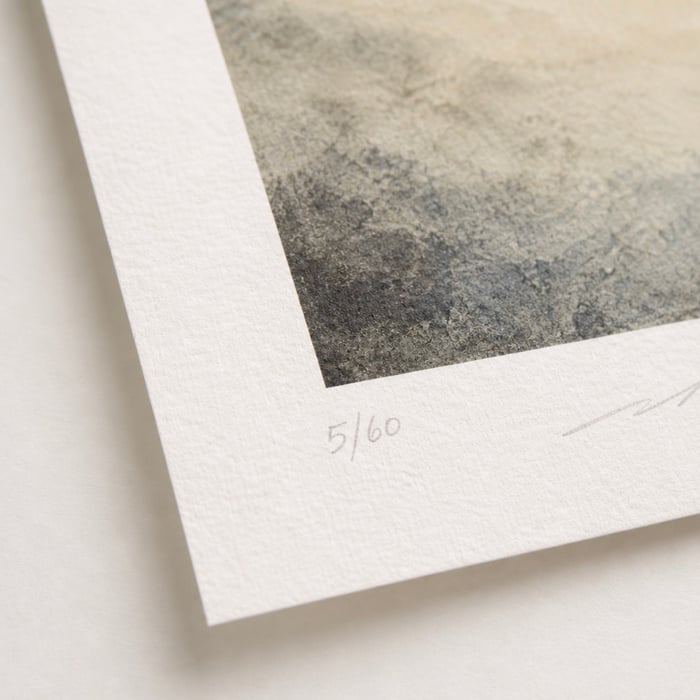


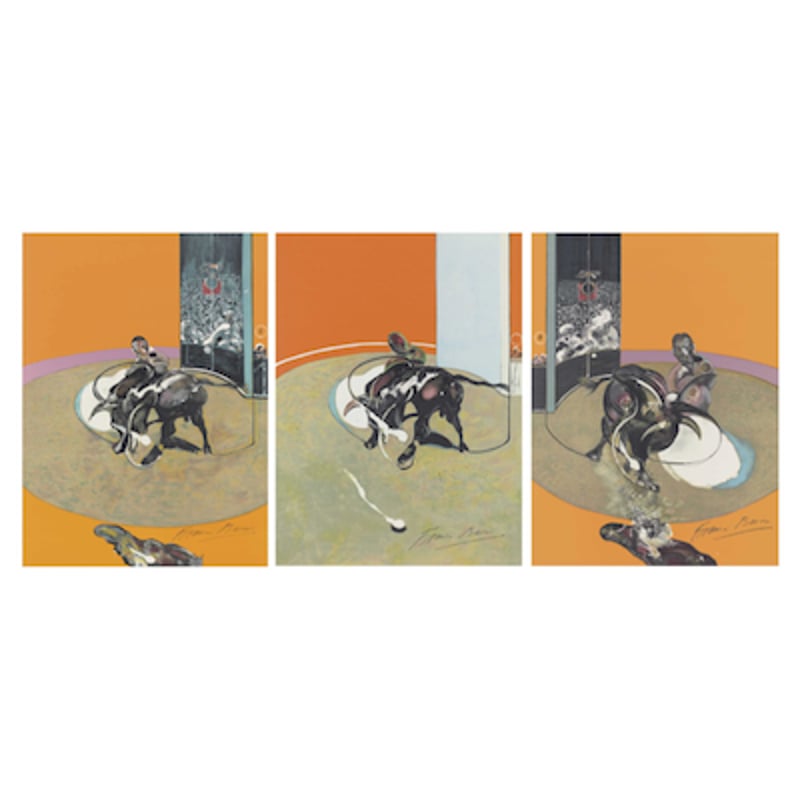
A triptych is an artwork divided into three sections or panels, often hinged together, allowing it to be displayed open or folded shut. It is a type of polyptych, a term for multi-panel artworks. Typically, the central panel is the largest, flanked by two smaller panels, although some triptychs have panels of equal size. Triptychs have been historically significant in religious art but are also used in contemporary works.

New Topographics is a term coined in 1975 by curator William Jenkins to describe a group of photographers whose work focused on formal black-and-white images of urban and industrial landscapes. Jenkins initially described their aesthetic as banal, but the photographers themselves argued that their compositions were as significant as those of natural landscapes, emphasizing the beauty in everyday, man-made environments.

Tansaekhwa, also known as monochrome painting, is a movement in Korean art that began in the mid-1970s. These artworks are characterized by the manipulation of painting materials, such as pushing paint, soaking the canvas, ripping paper, or other techniques that alter the medium. Tansaekhwa emphasizes texture, materiality, and the physical process of creating the artwork.
Can't find your Answer?
Thank you! Your question has been sent — we'll get back to you shortly.
