
What is a Lithograph?
- Show All
- Established
- Discoveries
- Show All
Artworks Related to Lithograph

Jacob Kassay
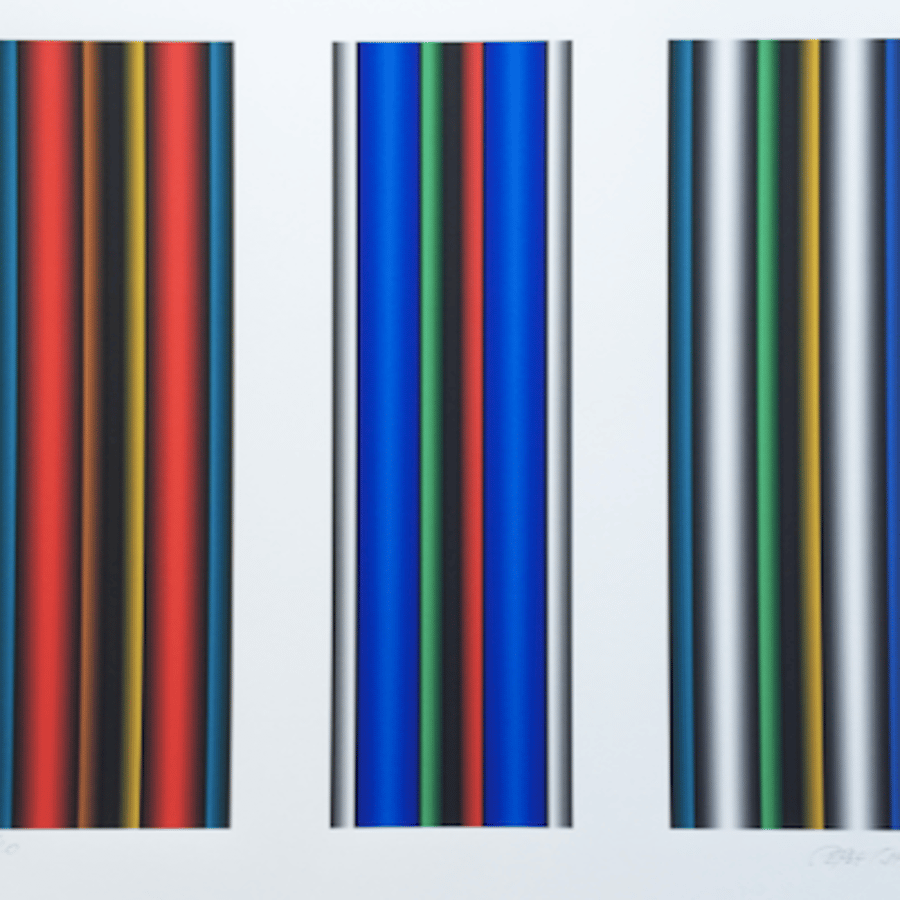
Untitled 7/10 (Radikal), 2013
Limited Edition Print
Lithograph
EUR 5,500
Jacob Kassay
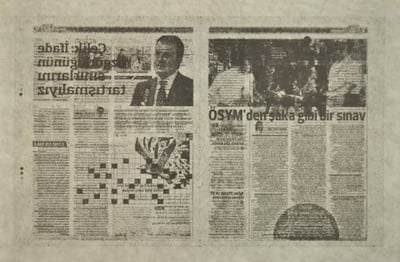
Untitled 4/10 (Radikal), 2013
Limited Edition Print
Lithograph
EUR 5,500
Jacob Kassay
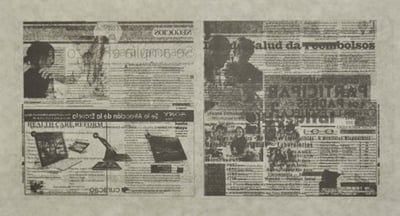
Untitled 8/8 (La Opinión), 2013
Limited Edition Print
Lithograph
EUR 5,500
Jacob Kassay
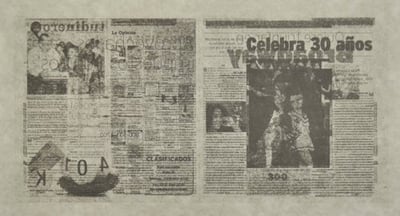
Untitled 7/8 (La Opinión), 2013
Limited Edition Print
Lithograph
EUR 5,500
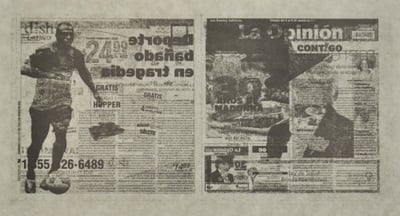
Jacob Kassay
Untitled 6/8 (La Opinión), 2013
Limited Edition Print
Lithograph
EUR 5,500
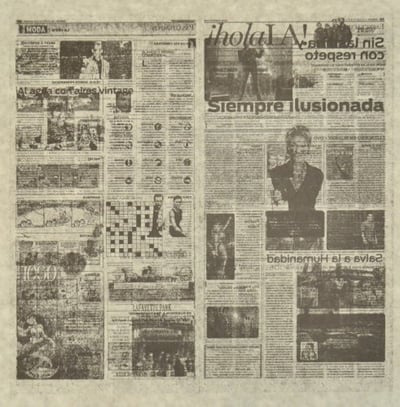
Jacob Kassay
Untitled 4/8 (La Opinión), 2013
Limited Edition Print
Lithograph
EUR 5,500

Jacob Kassay
Untitled 3/8 (La Opinión), 2013
Limited Edition Print
Lithograph
EUR 5,500

Jacob Kassay
Untitled 2/8 (La Opinión), 2013
Limited Edition Print
Lithograph
EUR 5,500
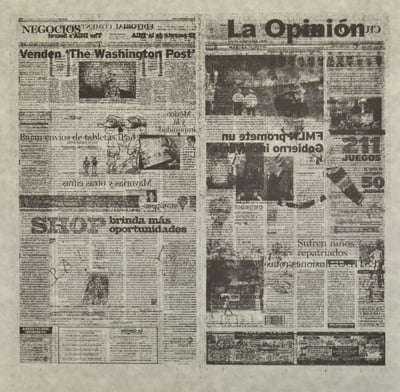
Jacob Kassay
Untitled 1/8 (La Opinión), 2013
Limited Edition Print
Lithograph
EUR 5,500
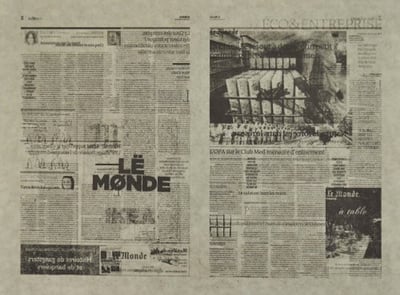
Jacob Kassay
Untitled 6/7 (Le Monde), 2013
Limited Edition Print
Lithograph
EUR 5,500
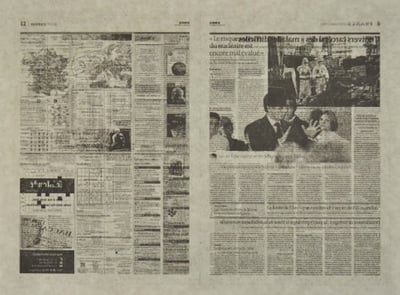
Jacob Kassay
Untitled 5/7 (Le Monde), 2013
Limited Edition Print
Lithograph
EUR 5,500
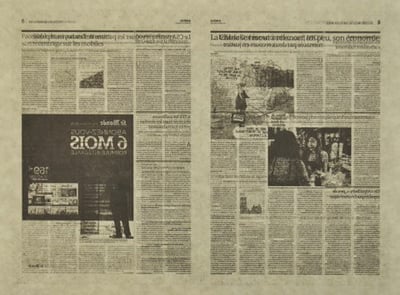
Jacob Kassay
Untitled 2/7 (Le Monde), 2013
Limited Edition Print
Lithograph
EUR 5,500

Pablo Picasso
Le peintre et son modele, 1954
Limited Edition Print
Lithograph
EUR 23,500
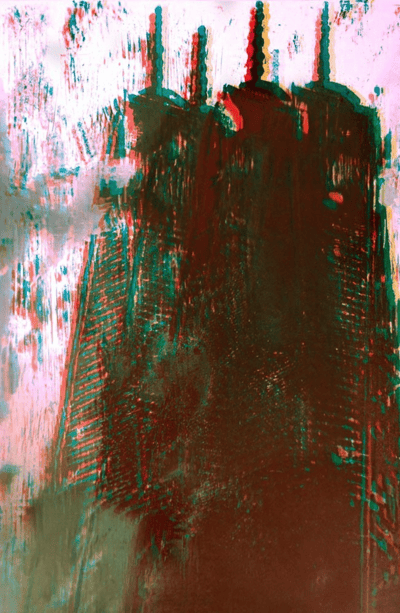
Enoc Perez
Freedom Tower 1, 2017
Limited Edition Print
Lithograph
Currently Not Available
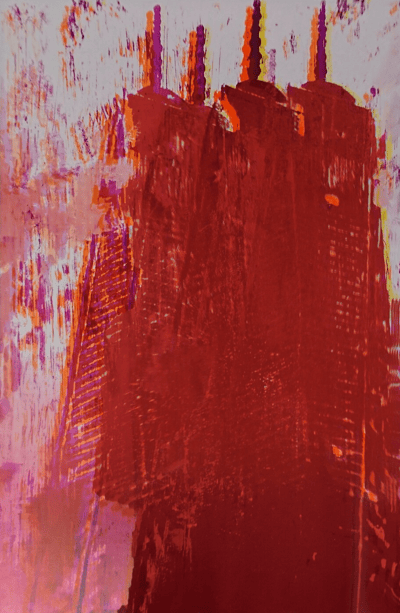
Enoc Perez
Freedom Tower 3, 2017
Limited Edition Print
Lithograph
Currently Not Available

Robert Longo
Men in the Cities, Tokyo, Seibu Department Stores, Ltd. IV (Single Woman), 1990
Limited Edition Print
Lithograph
USD 30,000 - 40,000
Related Articles

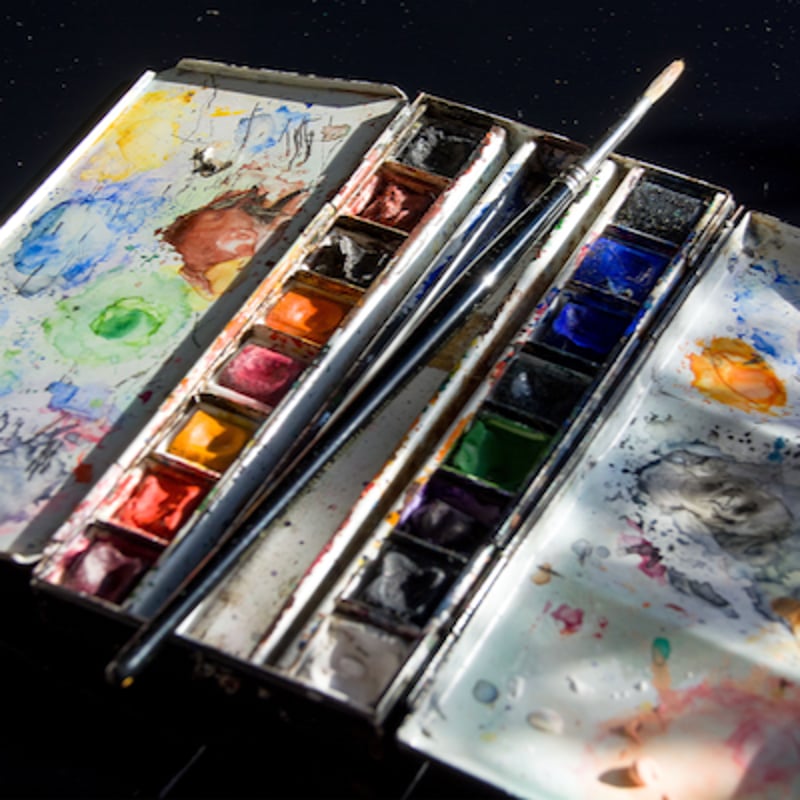
Watercolor refers to both the medium and the resulting artwork created using pigments suspended in a water-soluble vehicle. Watercolors are known for their luminous, transparent appearance because the pigments are applied in pure form with minimal fillers. By adding Chinese white, the watercolor can become opaque, resembling gouache.
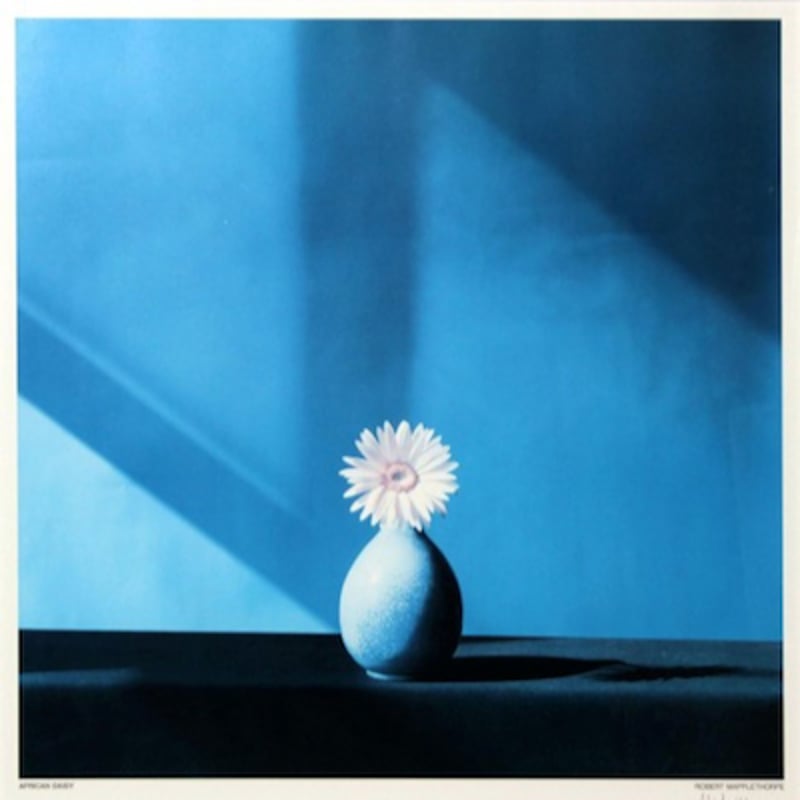
Photogravure is a high-quality printing process that involves etching a photograph onto a copper plate. The plate is inked and pressed onto paper, producing fine art prints with detailed, soft tones and rich textures. Developed in the 19th century, photogravure is renowned for its ability to create art reproductions with exceptional depth and subtlety.
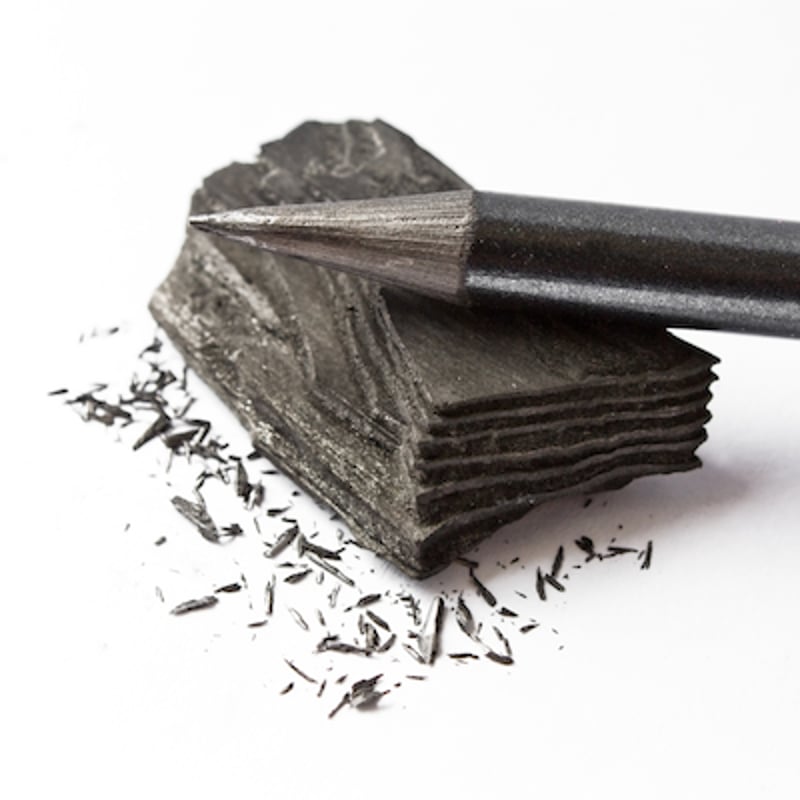
Graphite is a form of carbon commonly used as the core material in pencils. It can be compressed to various levels of hardness, allowing for different shading effects in drawing. In powdered form, graphite can be applied with a brush for broader, softer applications. Graphite erases easily and was first discovered in the 1500s in England's Lake District.
Can't find your Answer?
Thank you! Your question has been sent — we'll get back to you shortly.
