
What is a Lithograph?
- Show All
- Established
- Discoveries
- Show All
Artworks Related to Lithograph
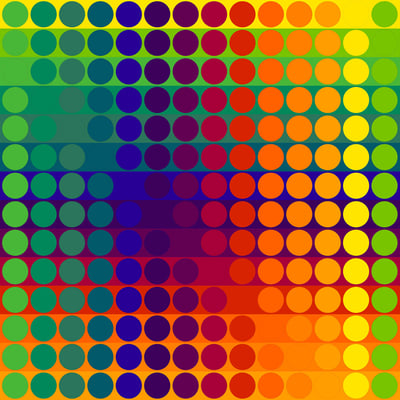
Julio Le Parc
Color Secuencia 2, 2024
Limited Edition Print
Lithograph
EUR 5,000
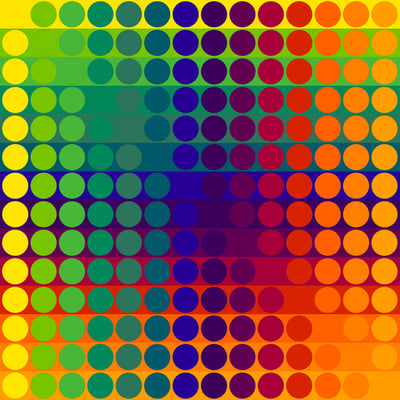
Julio Le Parc
Color Secuencia 1, 2024
Limited Edition Print
Lithograph
EUR 5,000
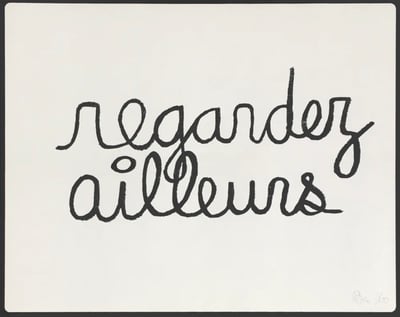
Ben Vautier
Regardez ailleurs, c. 1980
Limited Edition Print
Lithograph
EUR 1,750
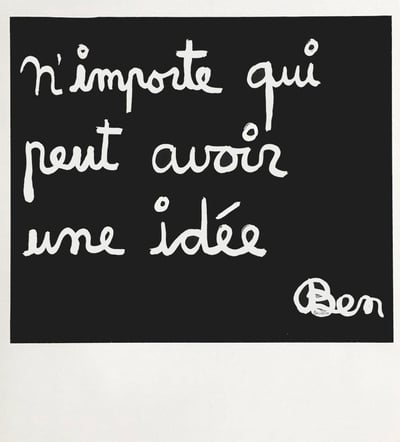
Ben Vautier
N’importe qui peut avoir une idée, c. 1980
Limited Edition Print
Lithograph
Currently Not Available
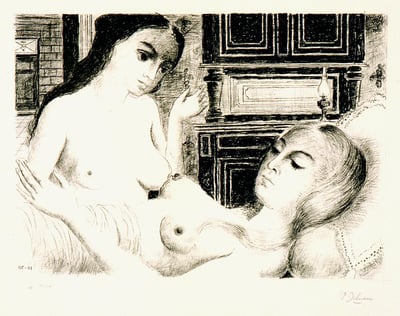
Paul Delvaux
Le Sommeil, 1970
Limited Edition Print
Lithograph
EUR 3,650
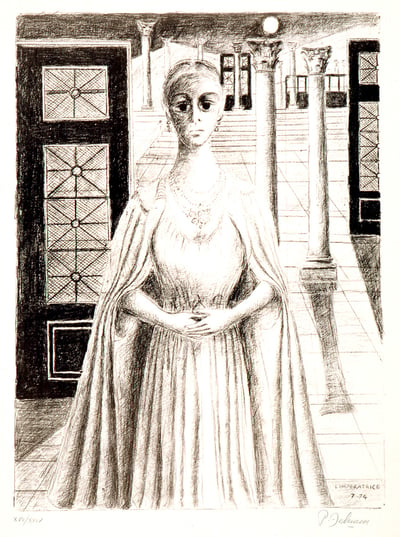
Paul Delvaux
L'Impératrice, 1974
Limited Edition Print
Lithograph
EUR 3,350
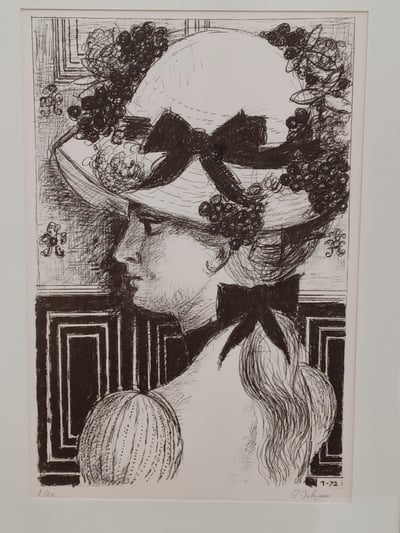
Paul Delvaux
Le Chapeau 1900, 1972
Limited Edition Print
Lithograph
EUR 2,500

Katherine Bernhardt
Nike Panther, 2019
Limited Edition Print
Lithograph
USD 4,800
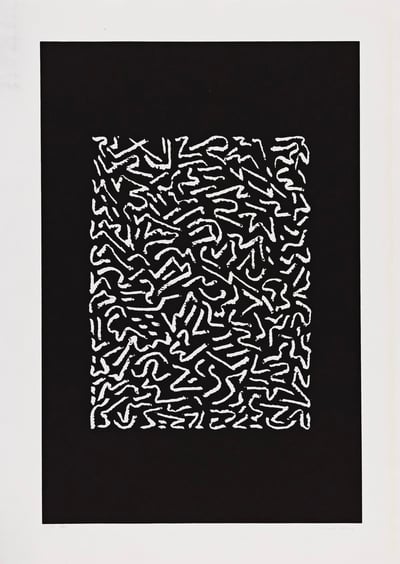
Anni Albers
Untitled 8 of 9 (from Connections), 1925/1983
Limited Edition Print
Lithograph
Inquire For Price
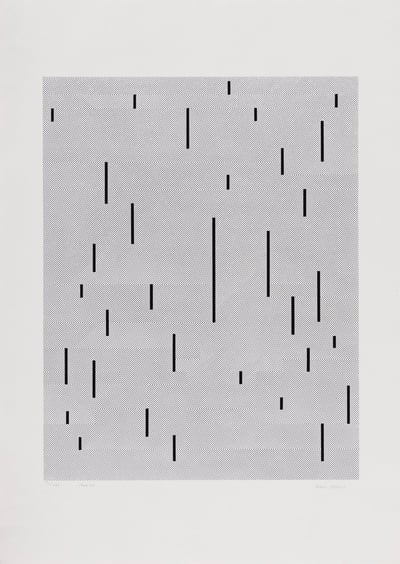
Anni Albers
Untitled 6 of 9 (from Connections), 1925/1983
Limited Edition Print
Lithograph
USD 3,700
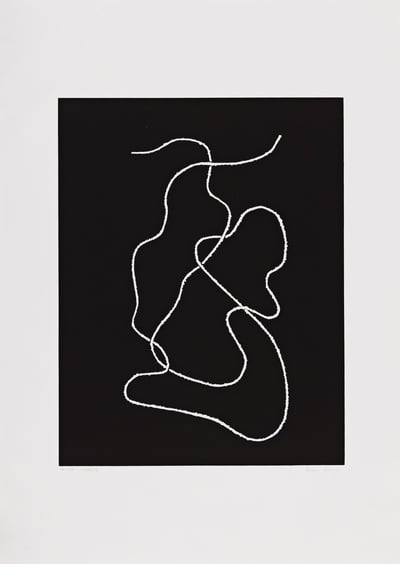
Anni Albers
Untitled 5 of 9 (from Connections), 1925/1983
Limited Edition Print
Lithograph
Inquire For Price
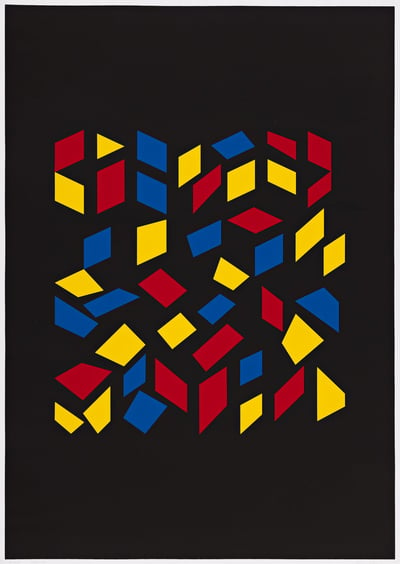
Anni Albers
Untitled 4 of 9 (from Connections), 1925/1983
Limited Edition Print
Lithograph
Inquire For Price
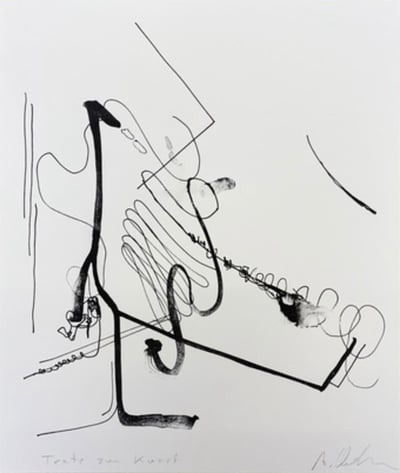
Albert Oehlen
Meditation on bureaucratic tendencies at TZK, 2020
Limited Edition Print
Lithograph
Currently Not Available
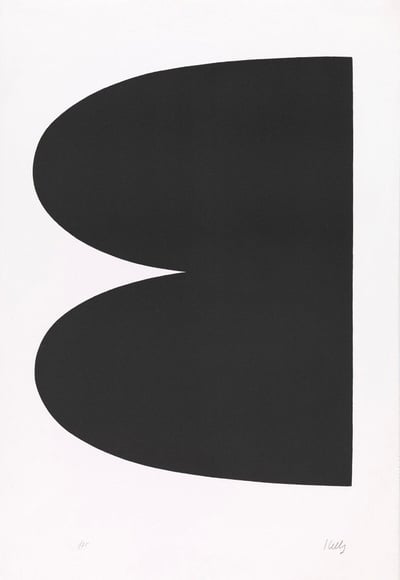
Ellsworth Kelly
Black (Noir), 1964-65
Limited Edition Print
Lithograph
USD 20,000 - 25,000
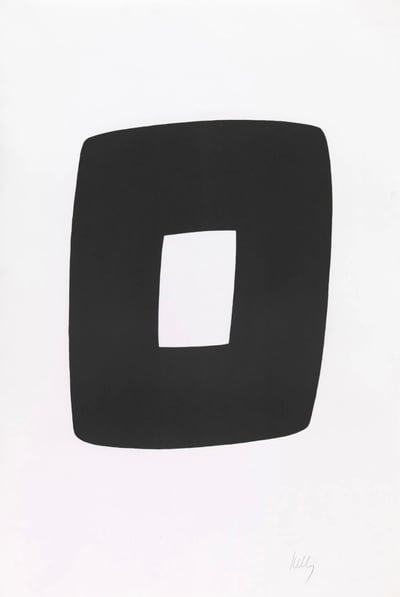
Ellsworth Kelly
Black with White, 1964-65
Limited Edition Print
Lithograph
USD 22,500
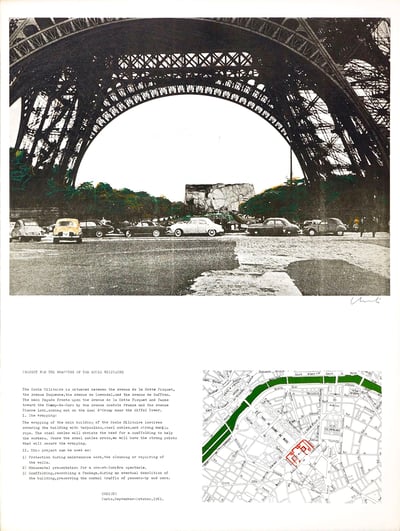
Javacheff Christo
Project Ecole Militaire, Paris, 1961
Limited Edition Print
Lithograph
EUR 3,800
Related Articles
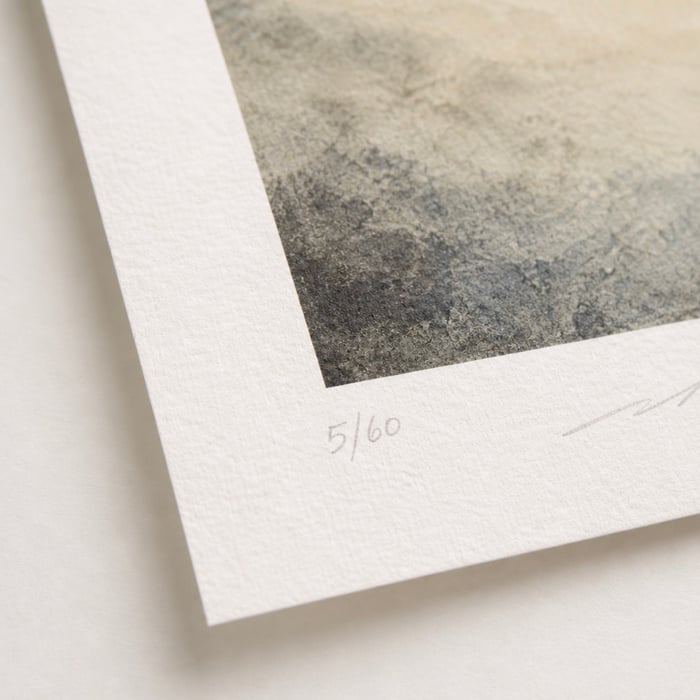
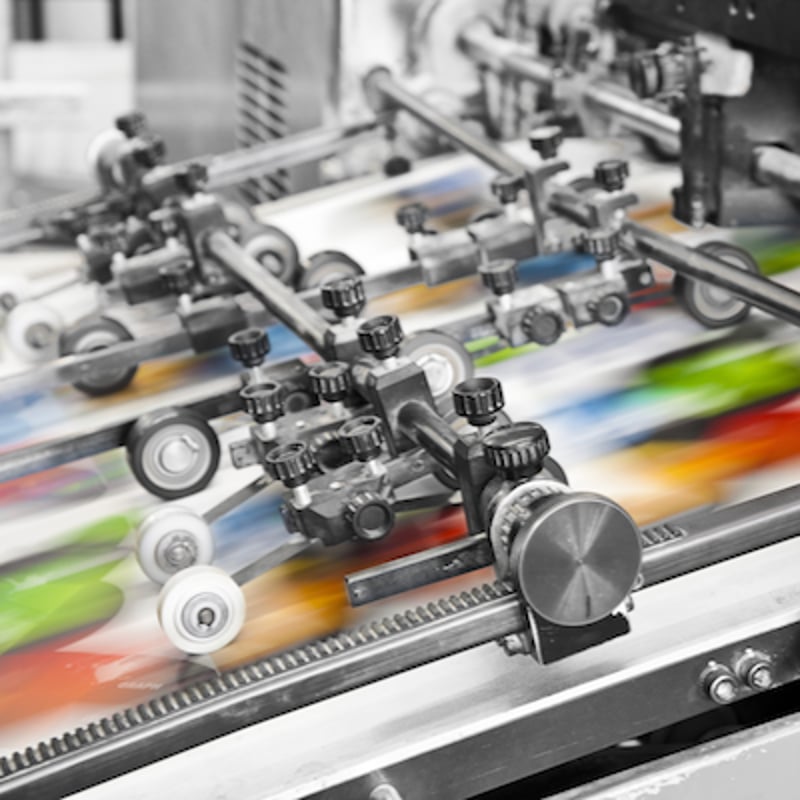
Offset lithography is a printing technique where the inked image is first transferred (offset) from a plate to a rubber blanket and then to the printing surface. This method combines the lithographic process, which relies on the repulsion of water and oil, to keep non-printing areas ink-free by attracting a water-based film. Offset lithography was originally developed to reduce costs in reproducing artwork and is widely used for high-volume printing due to its efficiency and ability to produce sharp, consistent images.
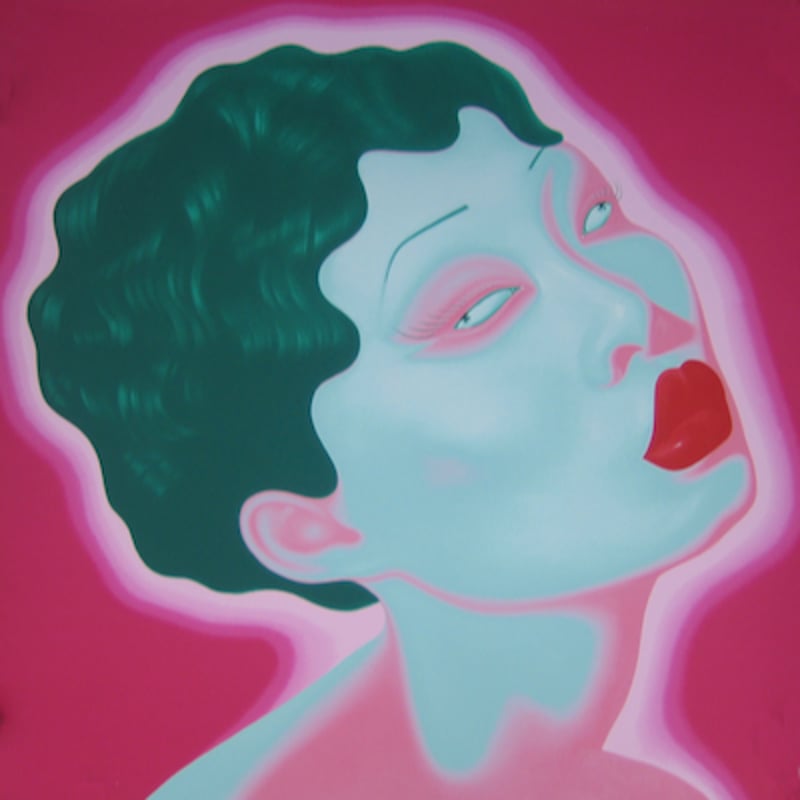
Chinese Contemporary Art is marked by a wide range of styles and experimental approaches. In the 1980s, avant-garde exhibitions were often shut down by government officials. The 1990s saw the rise of political pop and cynical realism, while China's One-Child Policy influenced artists to explore the individual as a subject matter.
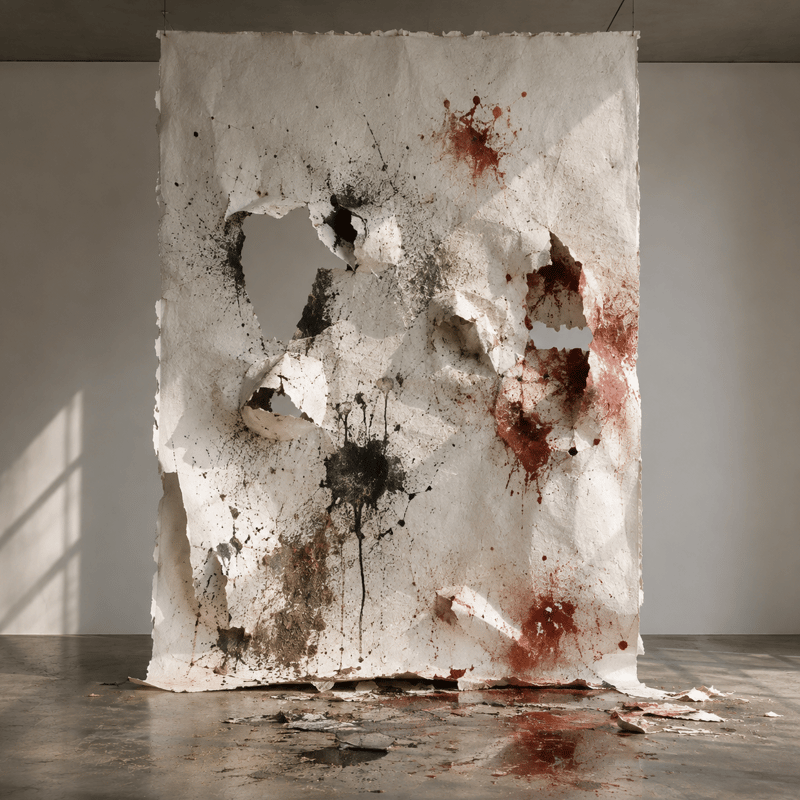
Gutai was a group of Japanese radical artists who formed the Gutai Art Association in 1954. The word Gutai translates to embodiment. The group was known for creating art on the spot for live audiences, often incorporating their own physical movements. Their performances included actions like throwing paint, piercing paper, and rolling in mud, emphasizing the direct interaction between the body and the material.
Can't find your Answer?
Thank you! Your question has been sent — we'll get back to you shortly.
