
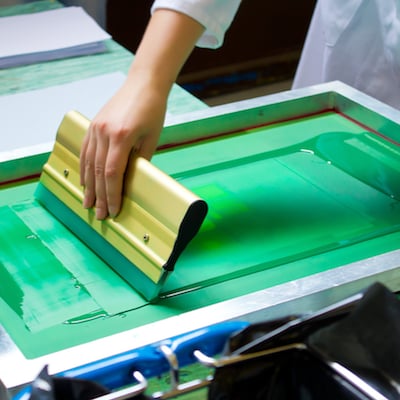
What is a screen-print?
- Show All
- Established
- Discoveries
- Show All
Artworks Related to Screen-print

Otto Piene
Addis Abeba 8, 1972
Limited Edition Print
Screen-print
EUR 3,200

Raymond Pettibon
The World Came into the Church, 1991
Limited Edition Print
Screen-print
USD 2,950

Jorg Immendorf
Lästerzungen
Limited Edition Print
Screen-print
EUR 2,300
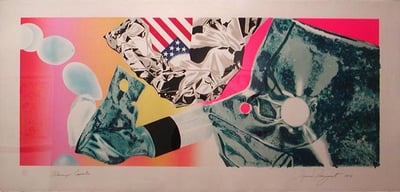
James Rosenquist
Flamingo Capsule, 1973
Limited Edition Print
Screen-print
USD 18,500

James Rosenquist
Circles of Confusion, 1965
Limited Edition Print
Screen-print
EUR 2,500

Robert Rauschenberg
Opal Gospel, 1971
Sculpture / Object
Screen-print
USD 13,000 - 15,000

Jean-Michel Basquiat
Head, 2001
Limited Edition Print
Screen-print
Currently Not Available
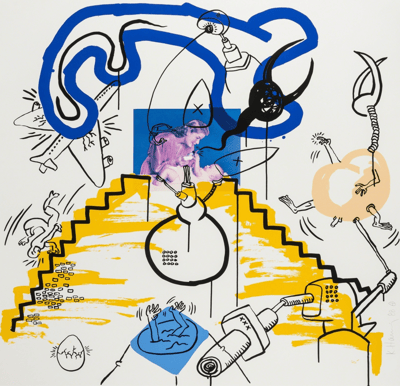
Keith Haring
Apocalypse 3, 1988
Limited Edition Print
Screen-print
EUR 12,250
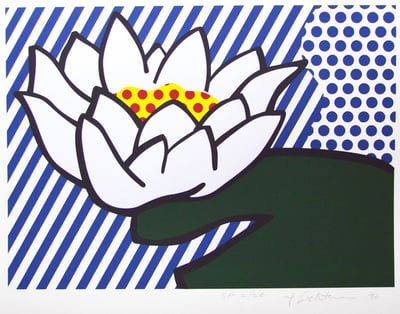
Roy Lichtenstein
Water Lily, 1993
Limited Edition Print
Screen-print
Currently Not Available

Larry Rivers
Early Chaplin, 1991
Limited Edition Print
Screen-print
USD 1,500

Larry Rivers
House of Cards - blue, 1990
Limited Edition Print
Screen-print
USD 1,550

Robert Cottingham
American Signs, 2009
Limited Edition Print
Screen-print
USD 15,000 - 20,000

Donald Sultan
Black Trumpet, 2008
Limited Edition Print
Screen-print
EUR 8,500 - 10,000

Francois Morellet
Ondes parasites 3, 2014
Limited Edition Print
Screen-print
EUR 2,150

Francois Morellet
Ondes parasites 2, 2014
Limited Edition Print
Screen-print
EUR 2,150

Francois Morellet
Ondes parasites 1, 2014
Limited Edition Print
Screen-print
EUR 2,150
Related Articles


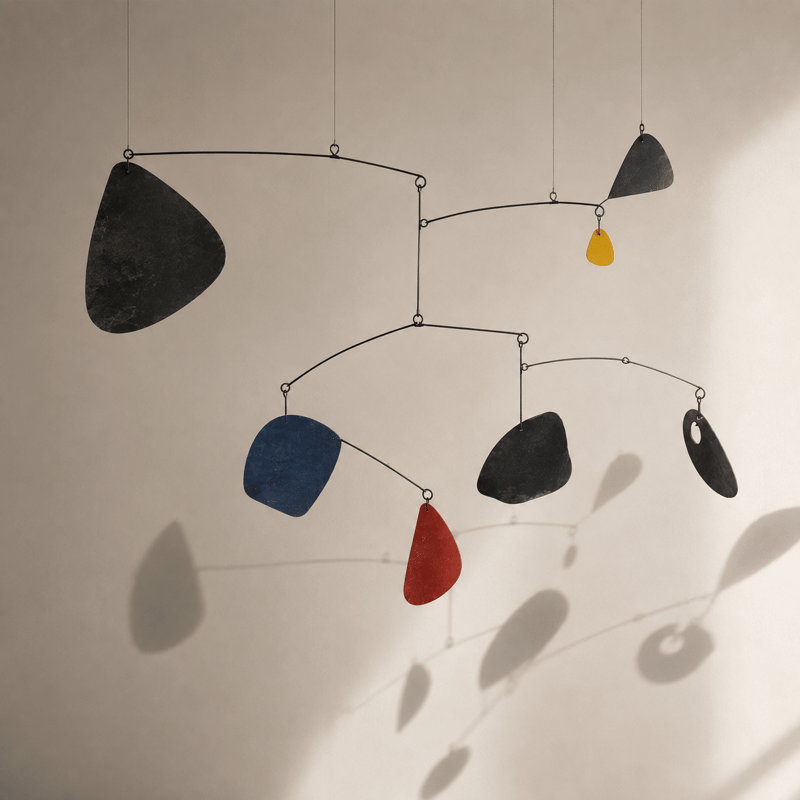
A mobile is a type of kinetic sculpture consisting of an ensemble of balanced parts that hang freely and move independently or as a whole when influenced by air currents or touch. Typically made of wire and colorful metal shapes, mobiles are designed to create dynamic visual effects through their motion.

Carborundum is the trademark name for silicon carbide crystals, an abrasive material commonly used in sandpaper, cutting tools, and grinding wheels. Originally, artists used carborundum for grinding lithography stones. In collagraph printmaking, it is applied to plates to create texture and tone gradients, adding depth and contrast to the prints.

Video art is an art form that uses video and audio data, primarily featuring moving images. It emerged in the late 1960s and early 1970s with the advent of new technology and consumer video equipment that became accessible beyond corporate broadcasting. Video art can take many forms, including broadcast recordings, installations in museums or galleries, online streamed works, videotapes, and performances incorporating video monitors, television sets, or projections that display live or recorded sounds and images.
Can't find your Answer?
Thank you! Your question has been sent — we'll get back to you shortly.
