

What is a screen-print?
- Show All
- Established
- Discoveries
- Show All
Artworks Related to Screen-print

John Baldessari
I have an elephant, 2017
Limited Edition Print
Screen-print
USD 6,600

John Baldessari
Truffle butter, 2017
Limited Edition Print
Screen-print
USD 6,600

Alex Katz
Dancer II, 2019
Limited Edition Print
Screen-print
USD 18,900

Alex Katz
Green Jacket (from Alex & Ada portfolio), 1990
Limited Edition Print
Screen-print
USD 10,800
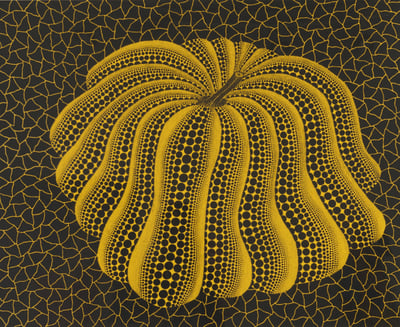
Yayoi Kusama
Pumpkin, 1993
Limited Edition Print
Screen-print
Currently Not Available

Günter Fruhtrunk
Between Green, 1970
Limited Edition Print
Screen-print
Currently Not Available

Victor Vasarely
Orgovan, 1984
Limited Edition Print
Screen-print
EUR 1,250

Bruce McLean
Shades of Grey - Light Blue, 2017
Limited Edition Print
Screen-print
Currently Not Available

Michael Heizer
Post Historic Screenprint #2, 2014
Limited Edition Print
Screen-print
Currently Not Available

Lothar Baumgarten
Untitled (Fish), 1985
Limited Edition Print
Screen-print
Currently Not Available
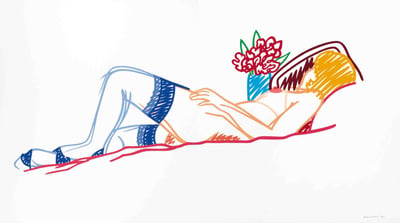
Tom Wesselmann
Bouquet and stockings, 1991
Limited Edition Print
Screen-print
USD 51,500

Jurgen Klauke
The Big Sleep 8, 1991
Limited Edition Print
Screen-print
EUR 1,700

Allen Jones
Maitresse folio screenprint II, 2015
Limited Edition Print
Screen-print
Currently Not Available

Walasse Ting
Blue horse, 1991
Limited Edition Print
Screen-print
Currently Not Available

Miles Aldridge
Tan Lines, 2019
Limited Edition Print
Screen-print
Currently Not Available
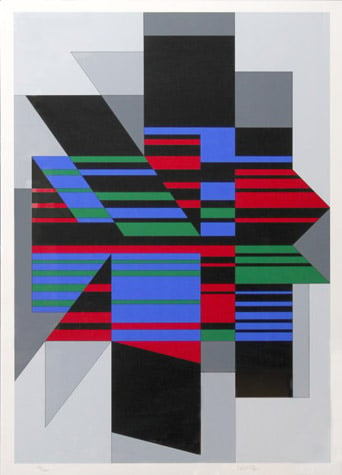
Victor Vasarely
Attila, 1990
Limited Edition Print
Screen-print
EUR 1,900
Related Articles


Figuration Libre is an art movement that is equivalent to the French Bad Painting and Neo-Expressionism in Europe and America. The term was coined by Ben Vautier and the Fluxus movement. In 1981, Robert Combas, François Boisrond, Hervé Di Rosa, and Rémi Blanchard formed the Figuration Libre group. The term can be interpreted as free style art, emphasizing spontaneity, freedom, and a rejection of traditional artistic conventions.
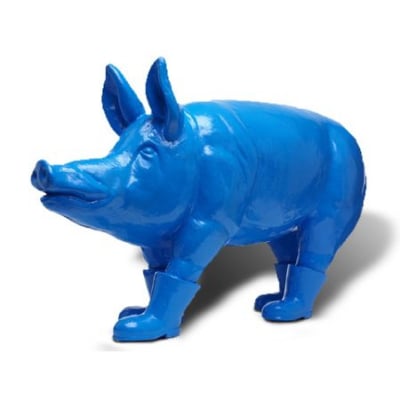
Environmental art is a collective term that refers to a wide range of artistic practices and works that engage with historical and ecological themes. The term often encompasses ecological concerns, although it is not exclusively defined by them. Environmental art acknowledges and appreciates the early history of the environmental art movement, including works with activist themes and those celebrating the connection between nature and the artist through the use of natural materials.
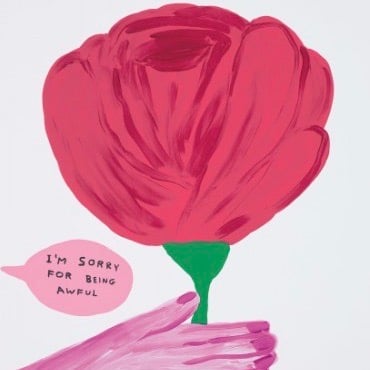
Naïve art describes a style of artwork that is simple and unsophisticated, often created by artists without formal training in an academy or art school. The style is characterized by a lack of advanced techniques, giving it a childlike appearance. Naïve art often features bright colors, simple shapes, and a straightforward approach to subject matter, reflecting the artist's untrained perspective.
Can't find your Answer?
Thank you! Your question has been sent — we'll get back to you shortly.
